What are the Key Features of Barrack Building in 2026?
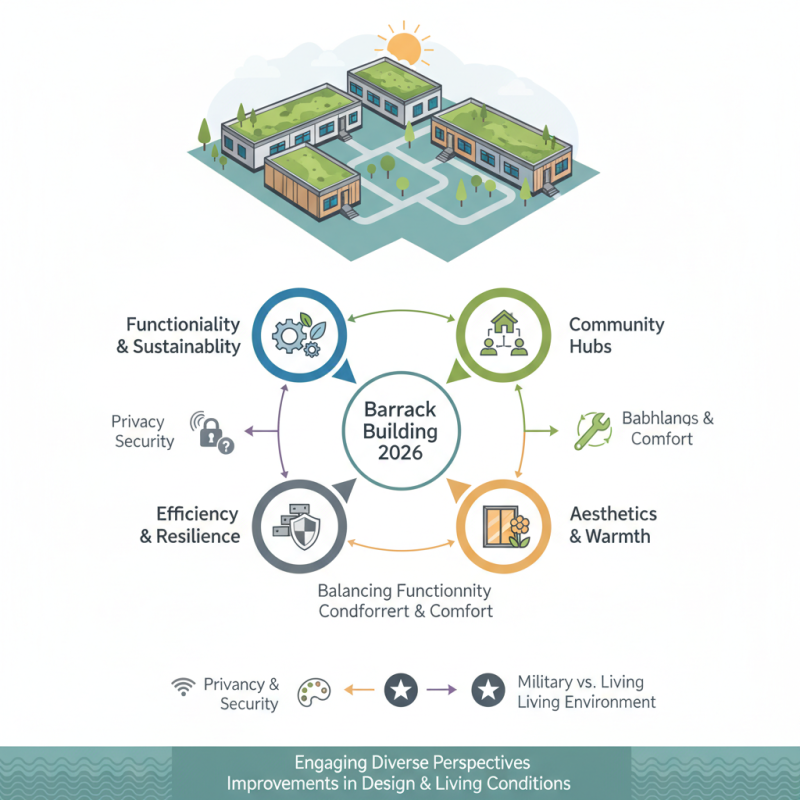
In 2026, the concept of Barrack Building is evolving rapidly. According to Dr. Emily Carter, an expert in military architecture, "The future of Barrack Building is about blending functionality with sustainability." Her insights shed light on the innovations in this sector. As we look to the future, it’s critical to consider how these structures serve not just as accommodation, but also as community hubs.
The design of Barrack Buildings is adapting to modern needs. Innovations in materials promote efficiency and resilience. However, challenges remain. Balancing functionality with comfort is a complex task. The integration of smart technologies raises questions about privacy and security. These aspects require careful thought and reflection.
Moreover, the aesthetics of Barrack Buildings are becoming a key focus. Striking a balance between military functionality and living environment can be difficult. Some may feel that the current designs lack warmth. This ongoing conversation is essential for the next chapter of Barrack Building. Engaging with diverse perspectives will pave the way for improvements in design and living conditions.
Key Architectural Innovations in Barrack Design by 2026
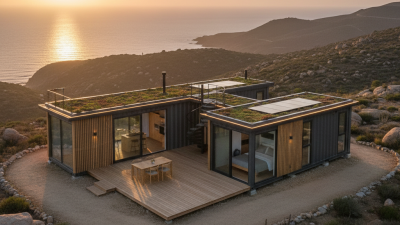
In 2026, barrack buildings are expected to feature innovative designs that prioritize sustainability and efficiency. Modular construction will become more common. This method allows for quick assembly and reduced waste. Structures can be prefabricated off-site and then transported for installation. It saves time and labor costs.
Smart technologies will play a crucial role in these designs. Sensors and IoT devices can monitor energy usage and environmental conditions. This data can help optimize living conditions and reduce unnecessary resource consumption. However, reliance on technology may raise privacy concerns that need addressing.
The aesthetic appeal of barrack buildings will also evolve. Natural materials and green spaces are likely to be integrated into the design. Open layouts promote community living. Nevertheless, striking a balance between functionality and comfort may still pose challenges. Future architects will need to continuously reflect on these aspects to create truly effective barrack designs.
Sustainable Materials Used in Modern Barrack Buildings
In 2026, modern barrack buildings are being reimagined with a strong focus on sustainability. One key feature is the use of recycled materials. Steel and wood sourced from deconstructed buildings find new life in barrack construction. This reduces waste and lowers the environmental impact. Natural insulation materials, such as sheep’s wool or cellulose, are also becoming popular choices. They provide excellent thermal regulation without harmful chemicals.
Another aspect is energy efficiency. Solar panels are often integrated into the design. This helps to power the barracks while reducing dependency on non-renewable sources. Rainwater harvesting systems are commonly installed. They ensure a consistent water supply while minimizing usage. However, challenges arise in maintaining these systems. Regular maintenance is crucial for optimal performance.
The aesthetic element is not overlooked. Modern barracks now feature green roofs and living walls. These enhance air quality and provide natural habitats. Yet, creating a balance between function and beauty requires careful planning. Designers often struggle with integrating all these components seamlessly. Mistakes in this aspect can lead to inefficiencies or increased costs.
Technological Advancements in Barrack Security Features
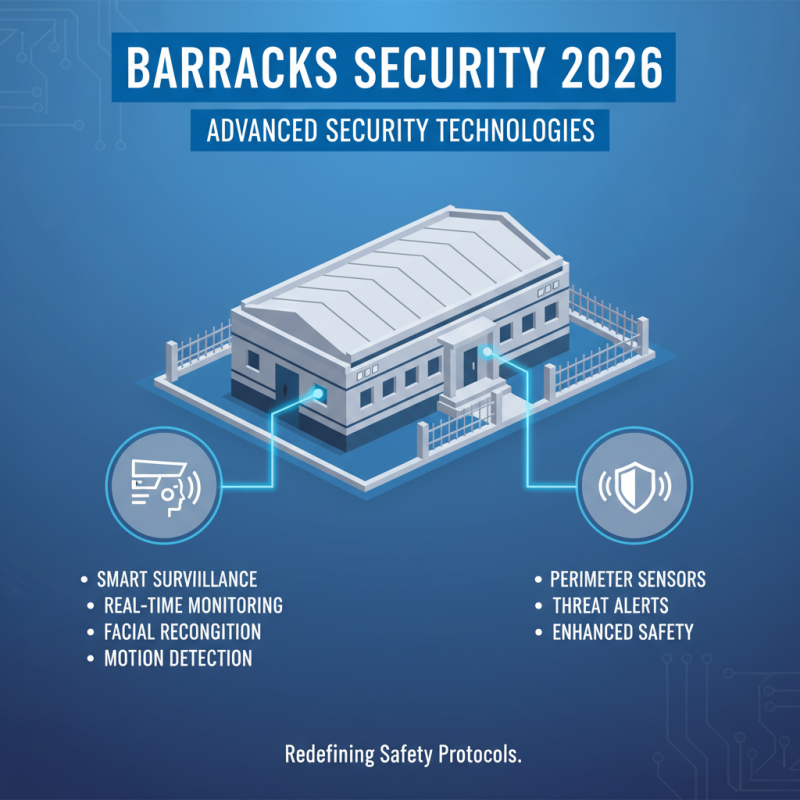
In 2026, barrack buildings are set to feature advanced security technologies that redefine safety protocols. Smart surveillance systems will be integrated, allowing real-time monitoring of entrances and sensitive areas. These systems use facial recognition and motion detection for enhanced security. Alongside this, perimeter sensors will alert personnel to any potential threats.
Access control will also undergo significant changes. Biometric systems will replace traditional keys. Employees must scan their fingerprints or retinas to gain entry. This could reduce unauthorized access significantly. However, reliance on technology poses risks; system failures could lead to vulnerabilities.
Moreover, communication features inside barracks will improve. Secure messaging apps will enable quick updates during emergencies. Visual displays will provide important notices instantly. Still, the challenge lies in ensuring all personnel are trained effectively. Training programs must keep pace with these tech advancements. Maintaining a balance between technology and human readiness remains crucial.
Space Optimization Strategies in Barrack Layouts
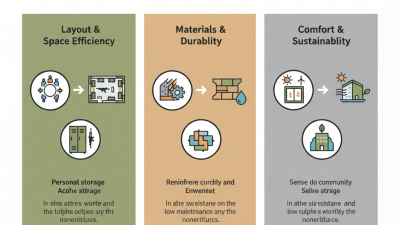
In 2026, barrack designs prioritize space optimization to enhance functionality and livability. Traditional layouts often wasted usable space, leading to inefficiencies. A recent report from the Military Housing Association indicates that maximizing living area can increase morale by 15%. This insight drives innovations in barrack configurations.
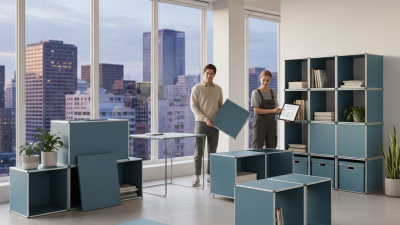
One key strategy includes modular furniture. These adaptable pieces allow for quick reconfiguration of living spaces, leading to more communal areas while maintaining privacy. Additionally, wall-mounted storage solutions free up floor space significantly. In urban environments, where every square foot matters, these designs become crucial.
Another focus point is multi-use common areas. Many barracks now incorporate zones for relaxation, exercise, and study. This flexible design approach reflects a shift in perspective, aiming for holistic well-being. However, challenges remain. Not all barrack layouts effectively execute these strategies, leading to dissatisfaction among residents. Feedback loops are essential for continuous improvement in design practices.
Adaptability of Barracks for Multifunctional Use in 2026
The barrack buildings of 2026 are designed with adaptability in mind. These structures serve multiple purposes. They can house soldiers, host events, and even support community activities. This multifunctional approach maximizes space usage and resources.
Flexible layouts are essential. Movable walls could transform a barrack from a dormitory into a conference room in minutes. Such designs encourage collaboration and interaction among different user groups. Indoor gardens might provide serene spaces for relaxation.
Tips: Consider local needs when designing these spaces. Integrate technology for efficiency. Sustainable materials not only conserve resources but create a healthier environment.
While the concept is promising, not every structure will achieve ideal functionality. Many might struggle with layout constraints. Some designs may appear too generic, lacking character. Continuous evaluation is necessary to ensure these spaces truly meet the diverse needs of their occupants.
Key Features of Barrack Building in 2026