What Are Prefab Houses and Their Benefits?
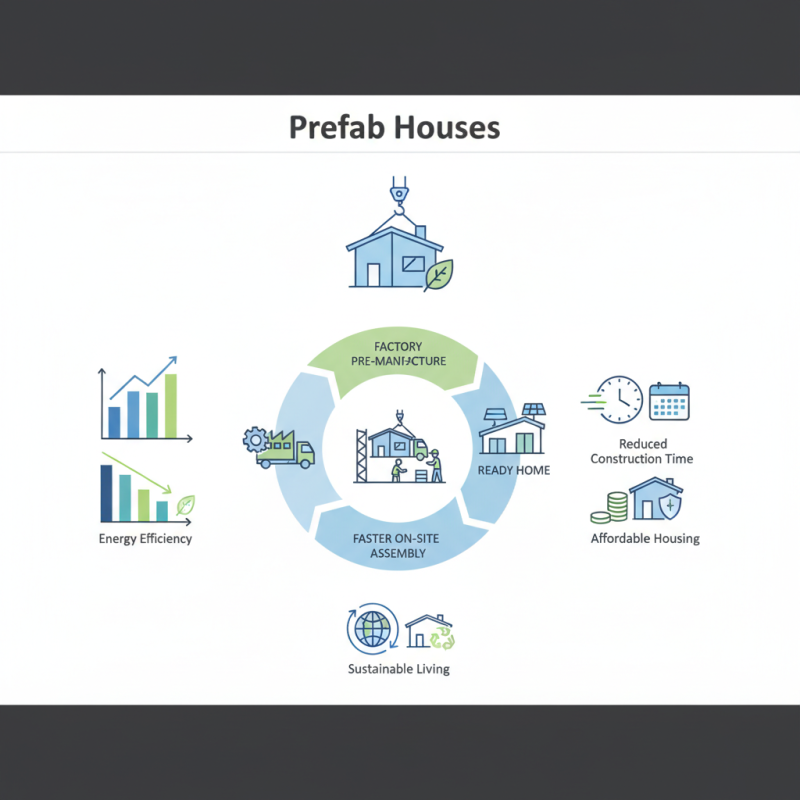
Prefab houses have gained significant attention in the construction industry. Recent reports indicate that this market is projected to reach $186.5 billion by 2027, growing at a CAGR of 6.3%. The demand for affordable housing solutions fuels this growth. These homes are pre-manufactured in factories, allowing for faster assembly on-site. This streamlined process can cut construction time by up to 50%.
Furthermore, prefab houses often boast energy efficiency. A study found that they can reduce energy consumption by as much as 20-30% compared to traditional homes. This benefit contributes to their appeal among environmentally conscious consumers. However, not all prefab houses are equal. Some designs may lack customization options, leading to feelings of limited ownership.
Despite these challenges, prefab homes can offer sustainable living solutions. They address rising housing costs in urban areas while ensuring faster housing availability. As the industry evolves, it is crucial to reflect on how these homes can better meet the diverse needs of buyers.
What Are Prefab Houses?
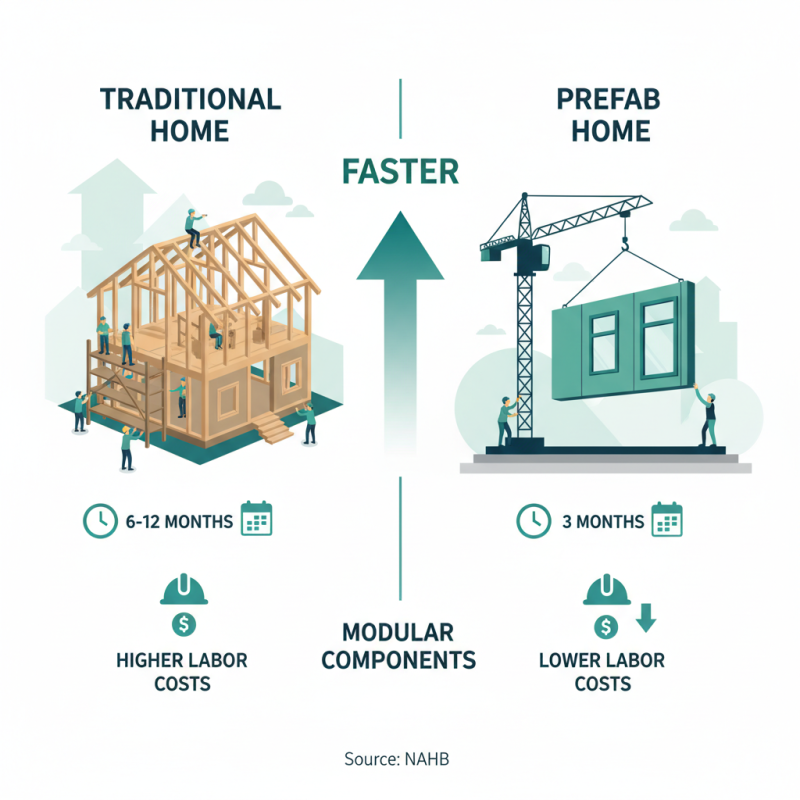
Prefab houses, or prefabricated homes, are structures built using pre-made components. These components are manufactured off-site and then assembled on-location. This method significantly reduces construction time. According to the National Association of Home Builders, prefab houses can be erected in half the time of traditional homes. Construction workers spend less time on-site, which can also lower labor costs.
Moreover, energy efficiency is a major advantage of prefab homes. The U.S. Department of Energy states that they typically require 10% to 15% less energy for heating and cooling compared to site-built homes. This efficiency not only reduces utility bills but also helps in minimizing the environmental impact. However, the production process does raise concerns about embodied energy. Materials and transportation can offset some of the eco-friendly benefits.
Investing in a prefab home may seem appealing, but it’s not without challenges. Buyers often face limited customization options. While certain designs offer flexibility, they can feel repetitive. Moreover, local zoning laws may restrict where these homes can be placed. Overall, the trade-offs in prefab housing warrant careful consideration.
Types of Prefab Houses: A Comprehensive Overview
Prefab houses come in various styles, each with unique features. One popular type is modular homes. They are built in sections, or modules, at a factory. These sections are then transported to the site and assembled. According to a 2022 industry report, modular homes can save up to 20% on construction costs. They also shorten the building time significantly.
Another type is panelized homes. These homes use wall panels made in a factory. They are shipped and assembled on-site. This type allows for a high degree of customization. However, builders must coordinate carefully during assembly. Panelized homes are often used for energy-efficient designs, aligning with the increasing demand for sustainable living spaces.
Tips: When considering a prefab house, focus on your local climate. Check regulations as they can vary. Research the builder thoroughly. Ask for past projects to gauge their work quality. Always check warranties and post-construction support.
Key Benefits of Choosing Prefab Houses
Prefab houses offer a unique approach to home building. They are constructed off-site and assembled on location. This method saves time and often reduces costs. The process can take only a few months, allowing families to move in sooner. Additionally, reduced site disruption is a significant advantage. Less construction waste also appeals to eco-conscious buyers.
One key benefit is customization. Homeowners can select designs and materials that suit their needs. However, this flexibility might lead to decision fatigue. Buyers may feel overwhelmed by choices. Another advantage involves energy efficiency. Many prefab houses are built with sustainable materials. They often have better insulation, which can lower energy bills.
Prefab homes can come with challenges. Some people worry about quality. Strict quality control measures exist, yet concerns linger. Traditional homes may evoke a sense of permanence. In contrast, people might question the durability of prefab structures. Balancing cost and quality can be tricky. It’s essential to weigh all aspects carefully before making a decision.
Benefits of Choosing Prefab Houses
Cost Considerations and Affordability of Prefab Homes
Prefab houses offer a unique solution to modern living. When it comes to costs, they can be much more affordable than traditional homes. The average cost per square foot for a prefab is often lower. This trims the overall budget significantly. You might save on labor costs as well, since the construction time is shorter.
In addition, prefab homes can be customized within reasonable price ranges. Buyers can choose designs that fit their needs. However, some may find extra fees hidden in customization options. Be sure to scrutinize every detail. This transparency helps avoid overspending on unplanned expenses.
**Tips:** When considering a prefab house, explore various financing options. Look for local builders to compare their offers. Also, think about long-term costs like utility bills. A well-insulated prefab can lead to savings down the line. Remember, not all decisions will be perfect. Take your time to reflect on your choices for the best outcome.
What Are Prefab Houses and Their Benefits? - Cost Considerations and Affordability of Prefab Homes
| Feature |
Description |
Estimated Cost (USD) |
Time to Build |
| Types of Prefab Houses |
Modular, Panelized, Pre-cut, Shipping container |
$50,000 - $300,000 |
3 - 6 months |
| Construction Speed |
Quick assembly and reduced construction time |
N/A |
4 - 12 weeks |
| Affordability |
Lower cost compared to traditional homes |
$100 - $200 per sq ft |
N/A |
| Sustainability |
Energy-efficient options, reduced material waste |
Varies |
N/A |
| Customization |
Flexible designs to meet specific needs |
Varies |
N/A |
Sustainability and Environmental Impact of Prefab Construction
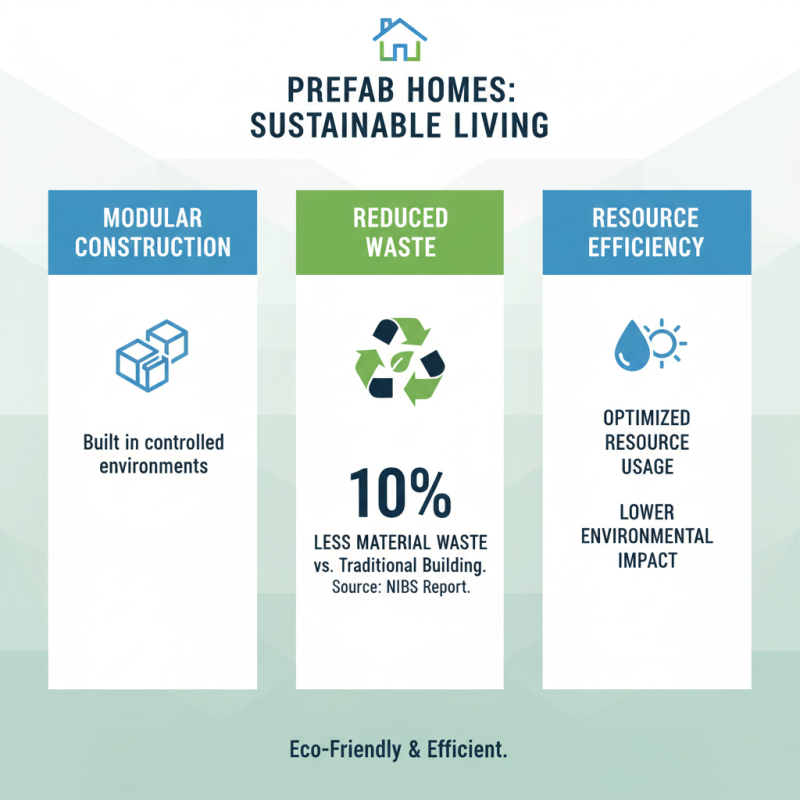
Prefabricated houses, or prefab homes, offer a unique approach to sustainable living. These structures are built in controlled environments, reducing waste and resource usage. According to a report by the National Institute of Building Sciences, prefab construction can reduce material waste by up to 10%. This is a significant improvement compared to traditional building methods.
Sustainability is at the heart of prefab construction. Energy-efficient materials and processes lead to lower carbon footprints. For instance, homes built off-site often utilize less energy in construction. It's estimated that prefab houses use 50% less energy during production. However, there are challenges. The environmental impact depends largely on the materials used. Not all prefab homes prioritize eco-friendly options.
Tip: When considering a prefab home, research the materials used. Look for options that utilize recycled or sustainable resources. It's crucial to ensure that your choices align with your environmental values.
Some prefab builders may prioritize speed over sustainability. It’s important to find a balance. Evaluate the overall life cycle impact. Short-term gains can lead to long-term inefficiencies. Small details matter. Choosing the right prefab home can enhance both personal and environmental well-being.