What is a Single Container House and How Can It Benefit You?
In recent years, the concept of the Single Container House has gained traction. This innovative approach to housing leverages repurposed shipping containers, creating sustainable and affordable living spaces. According to a report by the World Economic Forum, the global housing crisis is exacerbating. With rising costs, more people seek alternative solutions.
Single Container Houses offer various benefits, including reduced construction time and lower environmental impact. They can be customized to meet specific needs, facilitating personalized living experiences. A survey by Statista indicates that 66% of millennials are interested in tiny homes. This reflects a shift in lifestyle preferences, favoring minimalism and functionality.
However, not every project succeeds without challenges. Limited space can hinder some owners who struggle to adapt. Furthermore, zoning restrictions can complicate placement. As the popularity of Single Container Houses grows, it's essential to acknowledge these hurdles. Addressing them will lead to more successful implementations and increased satisfaction for residents.
What is a Single Container House?
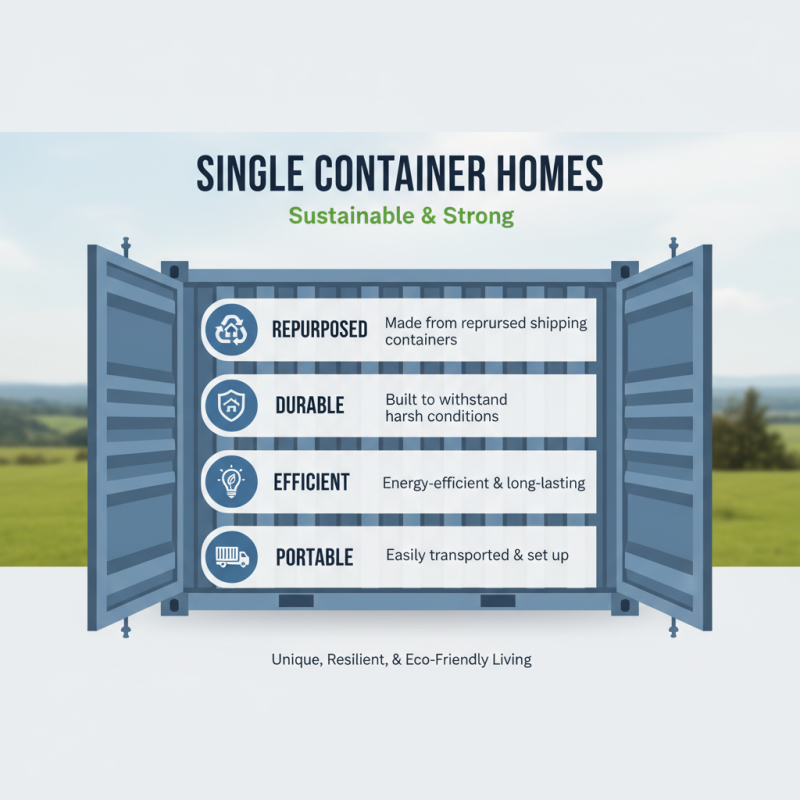
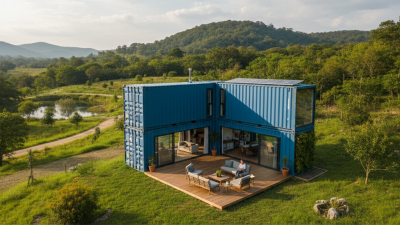
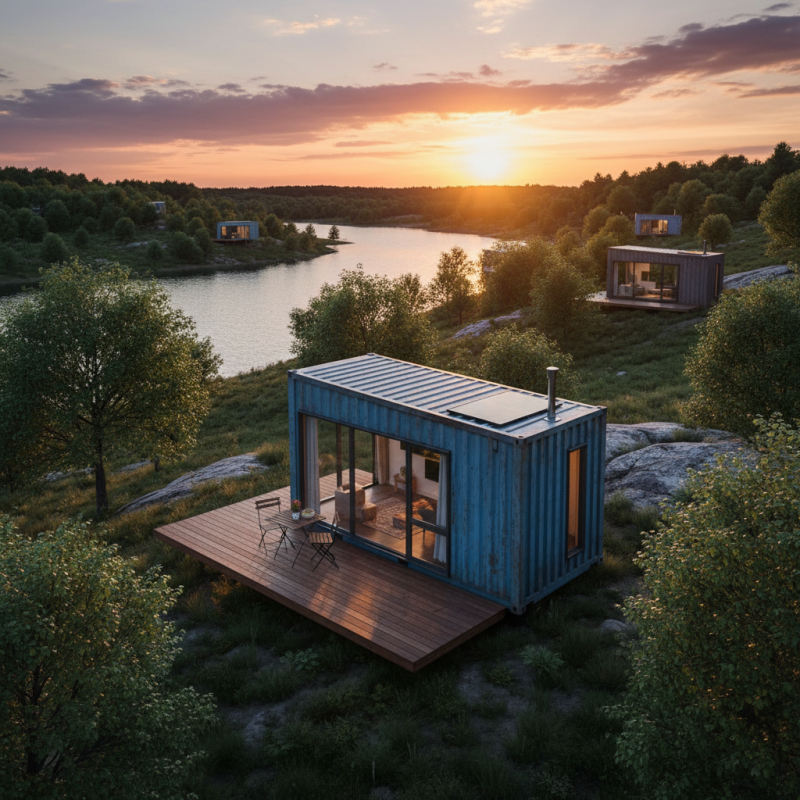
A single container house is a unique form of housing made from a repurposed shipping container. These structures are increasingly popular due to their durability and efficiency. A standard shipping container is designed to withstand rough conditions, making it a natural choice for homes. They can be easily transported and set up in various locations.
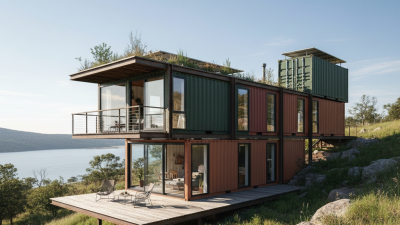
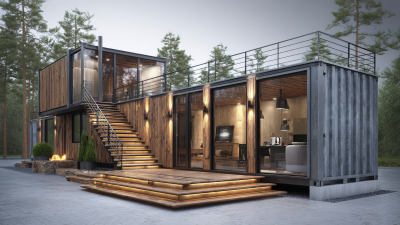
The versatility of container houses is impressive. They can be customized to meet specific needs. Owners can create open floor plans or add multiple units to form a larger structure. However, some people may underestimate the challenges involved. Insulation and ventilation can be tricky. A poorly insulated container can become too hot in summer or too cold in winter. Proper planning is essential to avoid these common pitfalls.
Using eco-friendly materials can enhance the sustainability of a single container house. Rainwater harvesting systems and solar panels can be integrated into the design. Yet, not everyone considers such elements. The initial costs can be daunting for some. It’s important to research and weigh all options before committing to this housing style. A single container house presents both opportunities and challenges, encouraging thoughtful decision-making.
The Design and Construction Process of Container Homes
The design and construction process of container homes offers unique advantages. Using recycled shipping containers, builders create versatile living spaces. Each container is typically 20 or 40 feet long, providing about 160 to 320 square feet of livable area. This can significantly reduce building costs, often by as much as 30% compared to traditional homes, according to industry reports.
However, the design phase requires careful planning. Architects consider insulation, ventilation, and layout. Containers are strong but may need reinforcing for structural integrity. This can complicate the process. Additionally, local building codes can present challenges. Not all areas allow container homes, and regulations vary widely.
Construction is often quicker than conventional methods. A basic container home can be ready in a few months. Yet, potential issues can arise. Delivery logistics for the container can be tricky, especially in remote locations. Budget overruns are also common, often due to unexpected modifications. The journey of transforming a container into a livable space is filled with creativity and functionality, but not without its hurdles.
What is a Single Container House and How Can It Benefit You? - The Design and Construction Process of Container Homes
| Feature |
Description |
Benefits |
| Sustainability |
Utilizes recycled shipping containers |
Reduces waste and environmental impact |
| Cost-Effectiveness |
Lower construction costs compared to traditional homes |
Affordable housing option |
| Durability |
Built from steel, resistant to natural disasters |
Long-lasting structure |
| Customization |
Flexibility in design and layout options |
Personalized living spaces |
| Mobility |
Can be transported easily |
Ideal for relocation |
| Quick Construction |
Pre-fabricated elements speed up the building process |
Faster move-in times |
Benefits of Living in a Single Container House
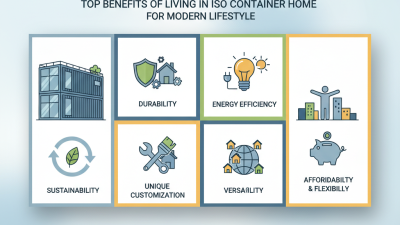
Living in a single container house can be a revolutionary choice. The flexibility and cost-effectiveness of this housing option appeal to many. According to recent industry studies, single container homes can save up to 40% on construction costs compared to traditional buildings. This cost-saving makes housing accessible for diverse populations.
Another major benefit is sustainability. Container homes often utilize recycled materials. The average container is made of steel, which is durable and can last for decades. Furthermore, they can be modified to include energy-efficient designs, contributing to lower utility costs. Studies show that homes designed with solar panels can reduce energy bills by up to 60%.
However, living in a container house has challenges. Space is limited, which can feel claustrophobic for some. Another concern is insulation. Without proper insulation, temperatures can fluctuate drastically. Many owners report needing additional heating or cooling units. It’s essential to consider these factors before making the switch. Balancing the pros and cons is crucial for a successful living experience in a single container house.
Environmental Impact and Sustainability of Container Homes
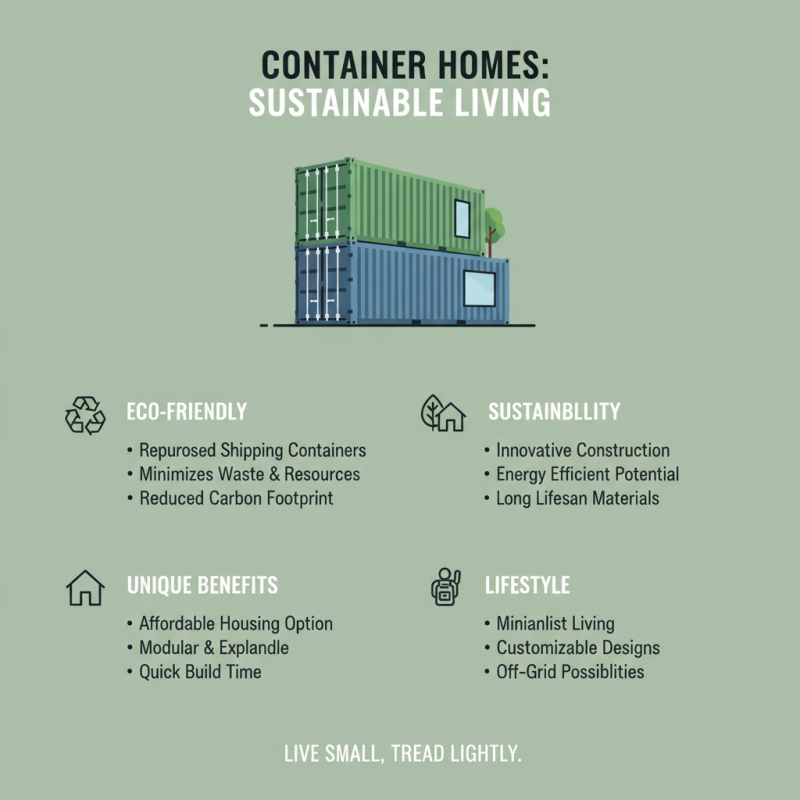
Container homes are quickly becoming popular as eco-friendly living solutions. They offer unique benefits for those who prioritize sustainability. Constructed using repurposed shipping containers, these homes can minimize waste and resource consumption. This innovative approach reduces the carbon footprint compared to traditional building methods. Simple modifications can transform these containers into cozy living spaces that support a minimalistic lifestyle.
However, there are challenges to consider. Not every container is suitable for housing. Some may require extensive modifications for insulation or plumbing. Additionally, the aesthetic can be less appealing to some. Local regulations can also complicate the process of setting up a container home. It’s important to research and plan effectively.
Despite these hurdles, the environmental benefits are significant. Using recycled materials is a major step toward sustainable living. Container homes promote efficient land use, often integrating into existing communities. As society moves toward greener choices, these homes offer a promising alternative for future residents. Their impact on reducing waste and energy consumption is a step in the right direction.
Cost Analysis: Single Container House vs. Traditional Homes
Building a single container house can be a cost-effective solution. Compared to traditional homes, it's often cheaper to construct. Prices for shipping containers vary, but they can be quite affordable. Labor costs for assembly typically run lower as well. Many find they can finish a project with a minimal budget, yet still achieve a stylish look.
However, there are trade-offs. Container houses may require extra insulation, especially in hot or cold climates. This can add up. Additionally, finding insurance can be tricky. Some companies are hesitant to cover unconventional homes. It's also crucial to check local building codes before starting. Without proper permits, the entire project may stall.
Design flexibility exists, yet it often demands creativity. Limited space can challenge even the best planners. Customization is not endless; the layout can feel unconventional. While single container houses can be unique, prospective owners should weigh the benefits and challenges. Building a container home is a step into modern living, but it is not without its hurdles.