What Are Temporary Classrooms and Their Benefits?
Temporary Classrooms are becoming an essential solution in the evolving landscape of education. These adaptable spaces meet urgent needs, often exceeding conventional classroom limits. Schools facing overcapacity or renovations utilize these units effectively.
Built from various materials, Temporary Classrooms provide a safe learning environment. They offer flexibility, allowing schools to adapt based on student numbers. However, some may question their longevity and comfort. The design might not always suit every subject's needs. It's important to evaluate these spaces critically.
Despite these challenges, the benefits of Temporary Classrooms are clear. They promote collaboration and creativity in an innovative setting. Such classrooms can be a stepping stone toward permanent solutions, offering hope for growing educational demands.
Definition and Characteristics of Temporary Classrooms
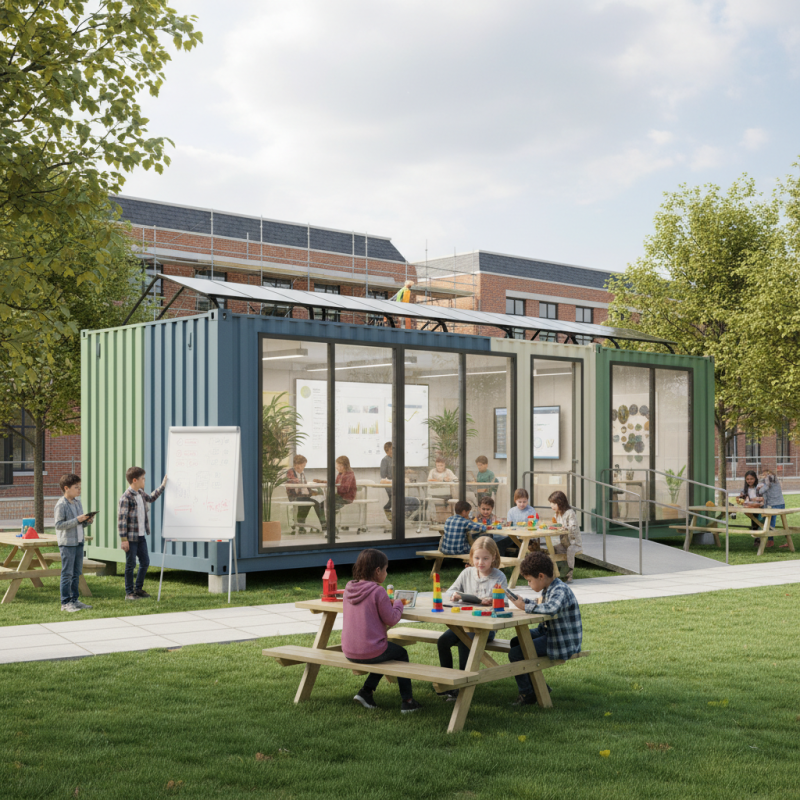
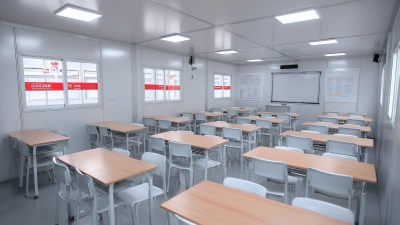
Temporary classrooms are flexible educational spaces designed to meet immediate needs. They often consist of modular units, trailers, or repurposed buildings. These structures can be set up quickly, which is crucial during emergencies or rapid population growth.
One key benefit of temporary classrooms is their adaptability. Schools can adjust the number of classrooms based on enrollment. However, some may lack certain facilities like proper ventilation or restrooms. This can affect the learning experience. Teachers often face challenges in maintaining an effective learning environment under these conditions.
Moreover, temporary classrooms can support innovative teaching methods. They allow for creative layouts and multi-use spaces. Yet, not every temporary structure is ideal. Insufficient insulation and limited resources can hinder functionality. It’s essential to consider these factors when evaluating their effectiveness.
Benefits of Temporary Classrooms
The chart illustrates the various benefits of temporary classrooms, highlighting key advantages such as cost-effectiveness, flexibility, and reduced construction time.
Types of Temporary Classrooms: Prefabricated vs. Modular Designs
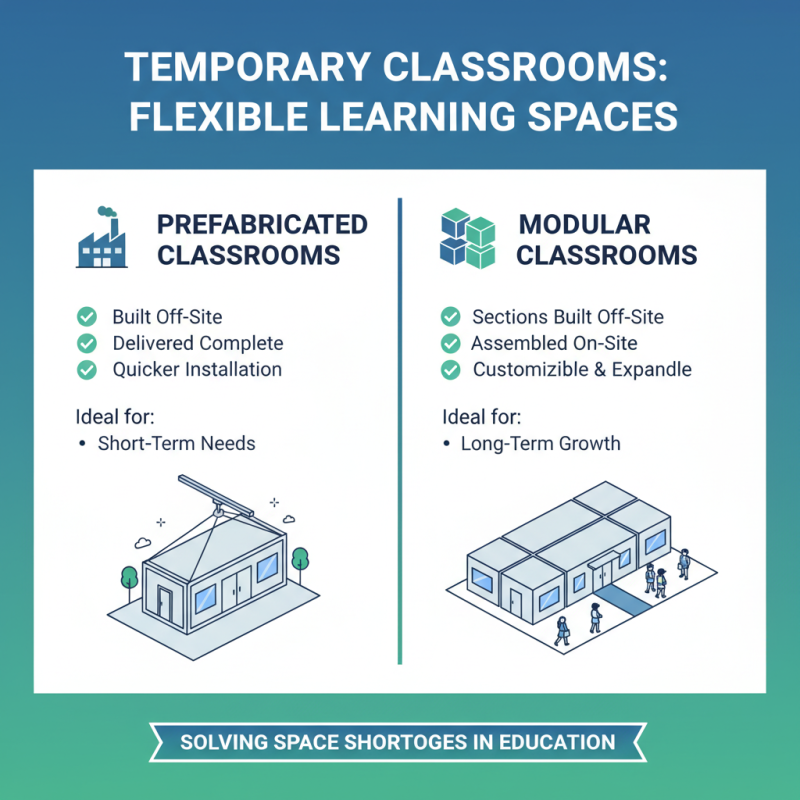
Temporary classrooms serve a vital role in education. They provide flexible learning spaces for schools facing space shortages. Two popular designs are prefabricated and modular classrooms. Each has unique features and advantages.
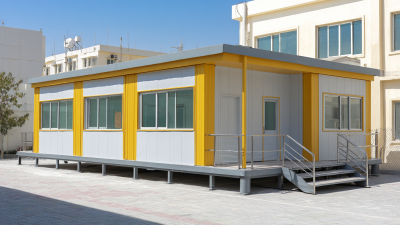
Prefabricated classrooms are built off-site. They are delivered to the location ready for use. This option allows quick setup, which is appealing for urgent needs. However, these rooms might lack some customization. They often come with standard designs that may not fit every school’s aesthetic.
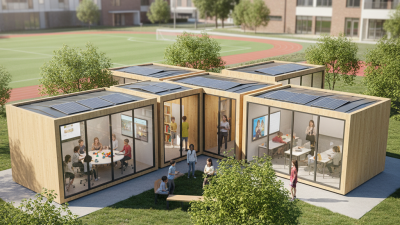
Modular classrooms, on the other hand, offer more flexibility. They can be expanded or adjusted based on school needs. This type is often easier to retrofit. However, the initial construction may take longer. It's important to consider the long-term benefits alongside immediate needs.
Tips: When choosing a temporary classroom, assess your school's requirements carefully. Think about how many students need space and the duration of use. Remember to involve teachers in the decision-making process. Their insights can shape the classroom's layout and functionality. It’s essential to strike a balance between budget constraints and quality for a successful learning environment.
Key Benefits of Temporary Classrooms for Educational Institutions
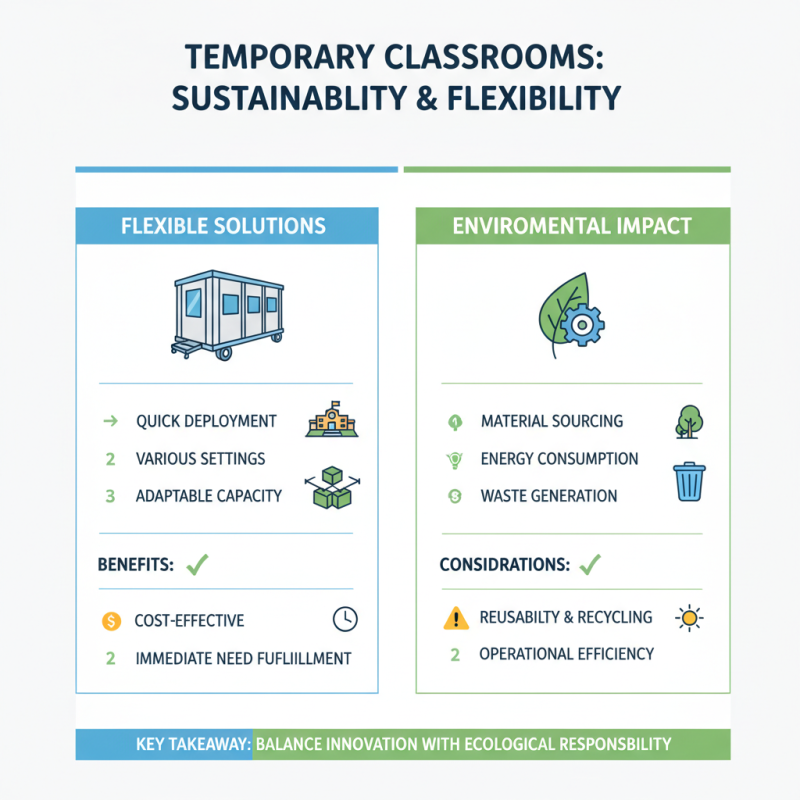
Temporary classrooms serve as flexible solutions for educational institutions facing space challenges. These adaptable spaces can be swiftly deployed to meet urgent needs. When student enrollment surges or facilities undergo renovations, temporary classrooms provide immediate relief. They can house large groups of students without the delays of traditional construction.
One key benefit is cost efficiency. Building new permanent structures can be expensive and time-consuming. Temporary classrooms often require less investment and can be easier to relocate as needed. Institutions can allocate funds to other pressing educational needs, enhancing overall quality.
Tip: Ensure that temporary classrooms align with educational standards and regulations. The layout should be conducive to learning and collaboration.
Another advantage is their versatility. These classrooms can be tailored for various purposes: art classes, science labs, or even administrative spaces. Customization enables schools to adapt to changing requirements quickly. However, relying too heavily on temporary solutions may not always be ideal. It could lead to long-term planning challenges if permanent solutions are not pursued alongside.
Tip: Regular feedback from staff and students can help improve temporary classroom setups. Constant evaluation can enhance the learning environment.
Challenges and Limitations of Implementing Temporary Classrooms
Implementing temporary classrooms can present unique challenges. One major issue is the lack of permanent infrastructure. These spaces often lack adequate facilities, which can affect the learning experience. For example, inadequate heating or cooling can create uncomfortable environments. This discomfort may hinder students' focus and engagement.
Moreover, temporary classrooms can struggle with space limitations. They might not provide enough room for larger groups, affecting class dynamics. Teachers may find it difficult to manage activities in cramped quarters. This can lead to frustration among educators and students alike. In addition, the transient nature of temporary classrooms can disrupt school culture. Students may feel less connected to their peers and the school community.
There are also budget constraints to consider. While temporary classrooms can be cost-effective, they may divert funds from essential resources. Schools may prioritize immediate needs over long-term improvements. This short-sighted approach can require reflection on the value of investing in permanent solutions. Overall, addressing these challenges is critical for making the most of temporary classroom environments.