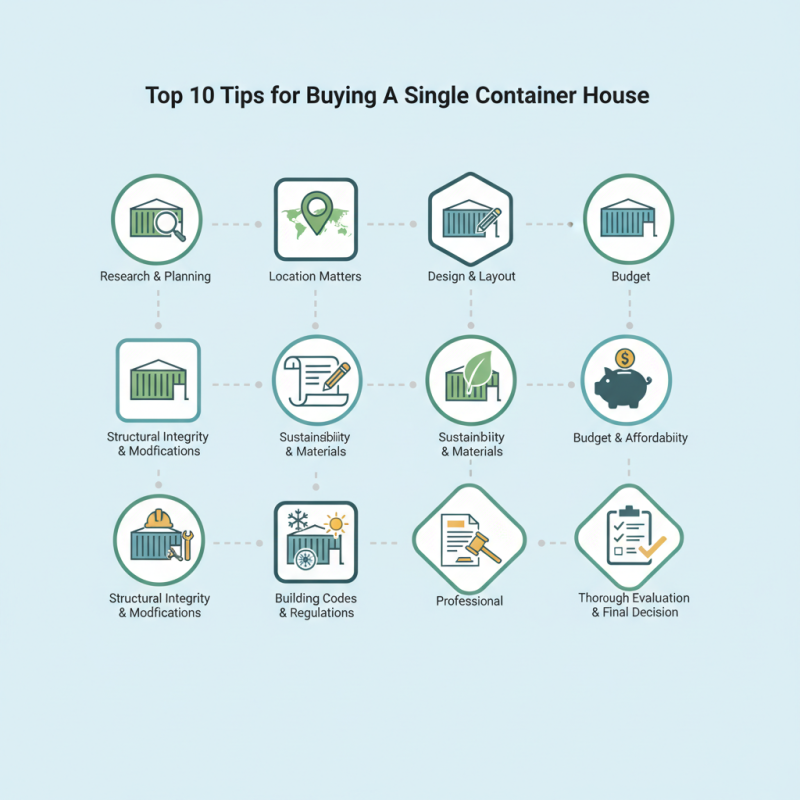
Top 10 Tips for Buying a Single Container House?
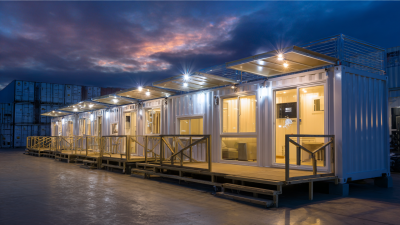
In recent years, the popularity of the Single Container House has surged. Many individuals seek this innovative housing solution due to its affordability and flexibility. A Single Container House can be a smart investment, but careful planning is crucial.
When considering a Single Container House, it's essential to focus on key aspects. Think about location, design, and sustainability. Not every container is suitable for homebuilding. Many need structural modifications or proper insulation. Potential buyers often overlook these details, leading to costly mistakes.
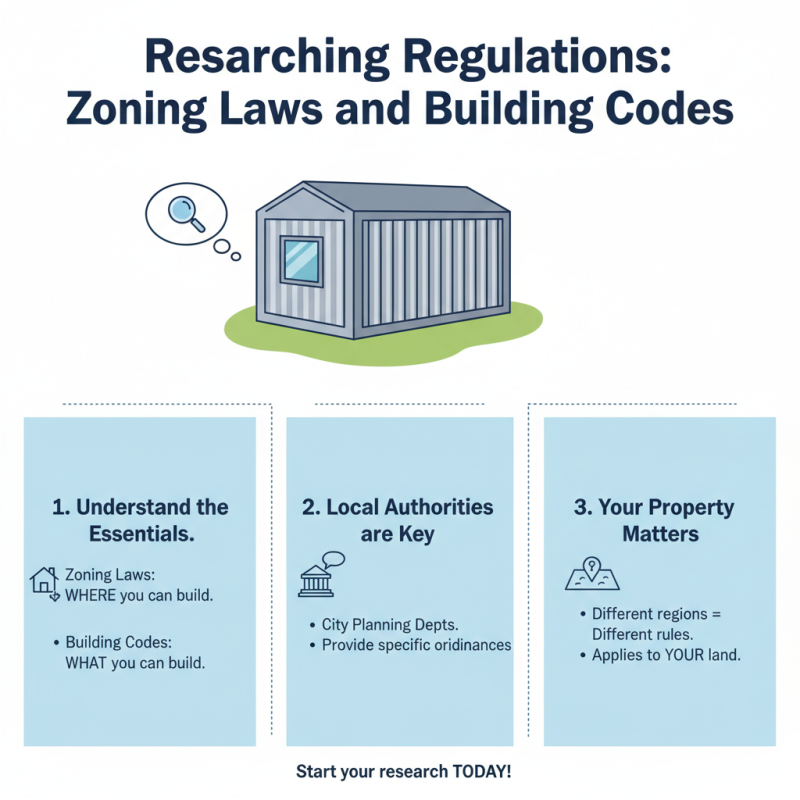
Research is vital. Knowledge about building codes and local regulations can make a difference. Connect with professionals who have experience in container homes. Their insights can guide you through the complexities. Keep in mind that while a Single Container House can be a great choice, it's not without challenges. Evaluate your options thoroughly to ensure a successful purchase.
Understanding Container Houses: A Brief Overview
Container houses are gaining popularity for their unique design and ecological benefits. These structures are made from recycled shipping containers, offering a sustainable housing option. Their modular nature allows for various configurations. This flexibility appeals to many buyers, especially those wanting something different.
When considering a container house, think about location and insulation. Many forget that not all climates suit metal structures. Insufficient insulation can lead to discomfort during extreme temperatures. Research local building codes and zoning regulations too. Different areas have distinct rules for container homes. This can affect your choices and overall investment.
Another important aspect is the resale value. Container houses can be seen as unconventional. Some people may hesitate to purchase them later. Remember that thoughtful design can enhance appeal. Natural lighting and efficient layouts are essential. These factors can make a container home more attractive. Ultimately, buying a container house requires careful planning and consideration.
Assessing Your Needs: Space, Purpose, and Budget Considerations
When considering a single container house, it's vital to assess your specific needs. Space, purpose, and budget are the fundamental elements that shape your decision. According to industry reports, over 40% of container homeowners prioritize living space over other factors. This suggests that size matters significantly in the container living experience. Think about how many rooms you need, whether for a family or as a home office.
Budget constraints also play a crucial role in your choices. A study by the Container Housing Association indicated that the average cost per square foot for a container home is around $200. This figure can vary greatly depending on insulation and finishes. Many buyers overlook additional costs such as delivery and placement, which can add thousands to the total.
Understanding the purpose of your container house is equally essential. Are you aiming for a temporary residence or a long-term home? Research shows that 55% of container homes serve as vacation rentals. This detail could inform your design and features. Reflecting on these needs may reveal that what seems perfect at first could require adjustments. It’s important to evaluate all dimensions to ensure the house serves you well.
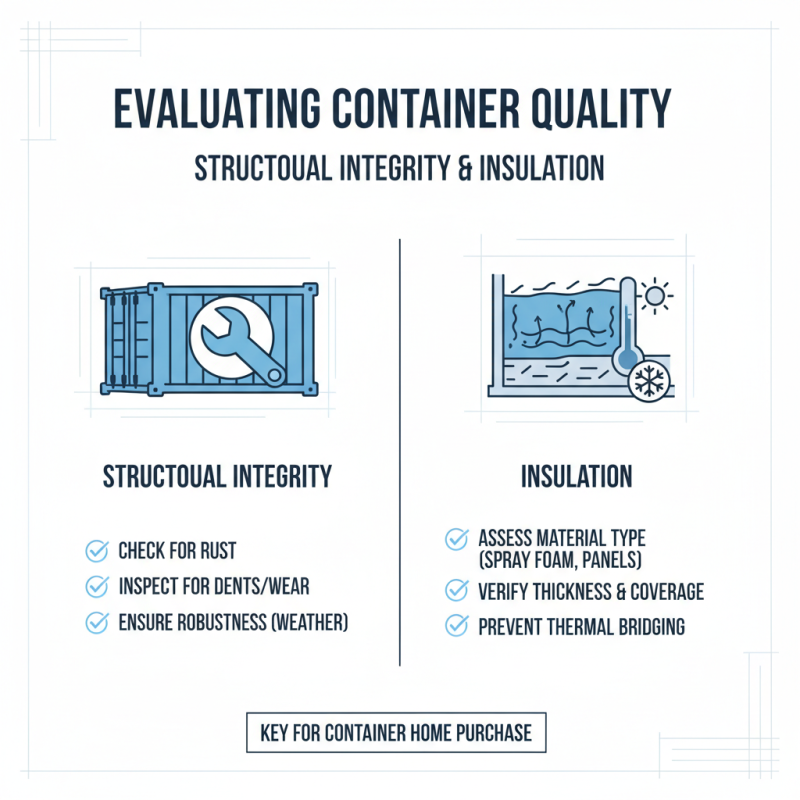
Evaluating Container Quality: Structural Integrity and Insulation
When considering the purchase of a single container house, assessing the quality of the container is critical. Focus on structural integrity first. Check for rust, dents, or significant wear. Even small imperfections can compromise safety. A container should be robust enough to withstand various weather conditions.
Insulation is equally important. Many containers are not originally designed for comfortable living. The metal can become extremely hot or cold. Look for containers that have been modified with proper insulation materials. Spray foam or rigid foam boards can significantly improve thermal performance. Ask about the installation process to ensure it meets your expectations.
Also, consider the importance of ventilation. Proper airflow can prevent mold and maintain a healthy environment. Ensure your design incorporates windows, vents, or HVAC options. Reflect on how these features can impact your living experience. A well-insulated container can still feel cramped without adequate ventilation. Make sure you evaluate these aspects thoroughly before making a decision.
Sourcing and Selecting Suppliers: Reliability and Service Quality
Sourcing a reliable supplier for a single container house is crucial. Research shows that 70% of buyers prioritize supplier reliability over price. Evaluating potential vendors requires a systematic approach. Look for reviews and ratings on trusted platforms. This gives insight into their service quality.
Visit suppliers’ facilities if possible. This allows you to inspect the materials and production processes. Many reports highlight that 80% of successful projects involved suppliers with transparent operations. Clear communication is vital. It fosters trust and helps avoid misunderstandings later.
Consider the supplier's experience in the container home industry. Experts suggest prioritizing suppliers with at least five years in business. While many new companies offer competitive prices, they may lack the expertise necessary for complex projects. A good supplier should also provide post-sale support. Only about 50% of buyers report satisfaction in this area, highlighting a gap in service that you should address.
Top 10 Tips for Buying a Single Container House