Top Tips for Choosing the Best Prefab Classrooms?
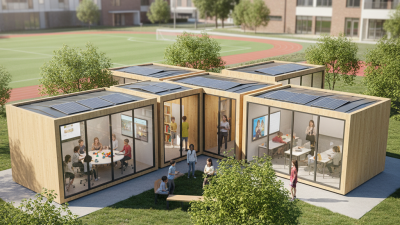
In the growing landscape of educational facilities, Prefab Classrooms are emerging as a smart solution. According to Dr. Emily Parker, a leading expert in modular educational design, “Prefab Classrooms offer unique adaptability to meet diverse learning needs.” These structures can be tailored to various specifications, making them versatile.
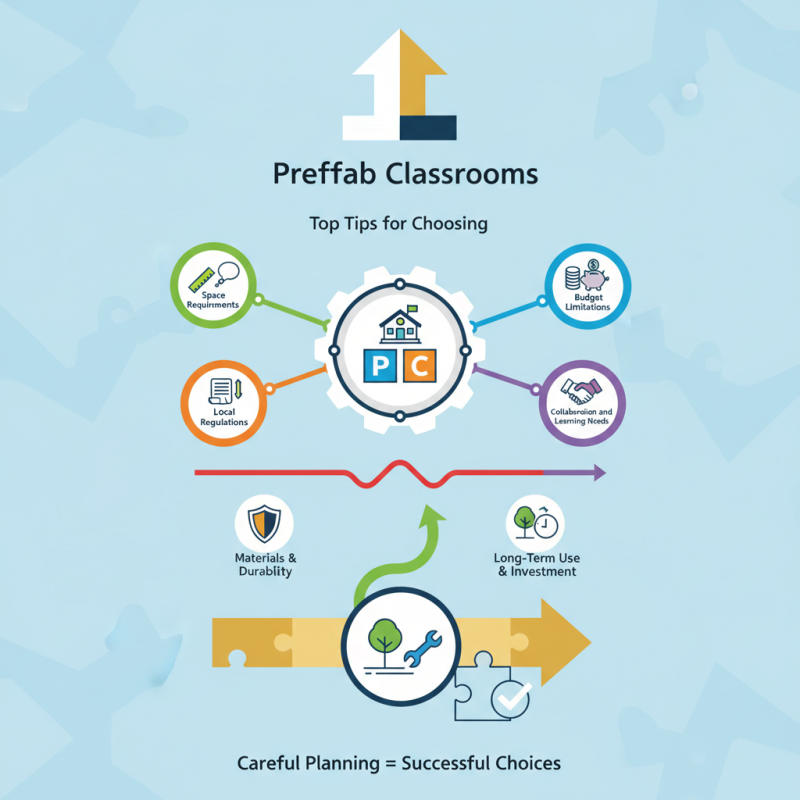
When choosing the best Prefab Classrooms, several factors need consideration. Space requirements, budget limitations, and local regulations can complicate decisions. It's essential to visualize how the space will function for students and teachers. Will it promote collaboration? Does it provide the necessary resources?
Many schools overlook the importance of materials. Choosing quality over cost is vital. However, systems with lower costs might seem attractive initially. This can lead to compromises in durability and safety. Reflections on long-term use should inform decisions in the Prefab Classrooms sector. Ultimately, careful planning will guide successful choices.
Understanding Prefab Classrooms: Key Features to Consider
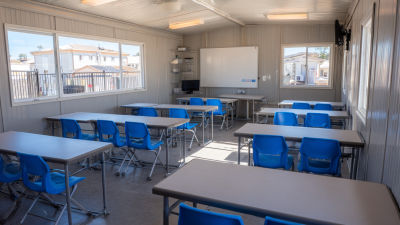
Prefab classrooms offer flexibility and can be a practical solution for educational spaces. When selecting the right one, key features must be carefully evaluated. Space design is crucial. Consider the layout for optimal learning. Rooms should have natural light and good ventilation. These elements can enhance student focus.
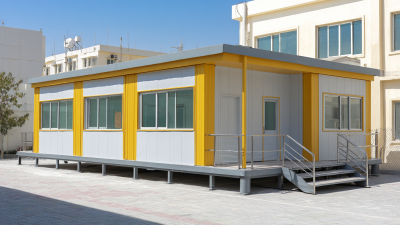
Moreover, insulation and durability matter. A well-insulated classroom is energy-efficient. Examine the materials used in construction. Strong materials can withstand wear and tear. Aesthetic appeal should not be overlooked. Bright colors and engaging designs can inspire creativity. Ensure that the space can adapt to various educational needs over time.
Budget constraints are real. Sometimes cheaper options might not meet long-term needs. Reflecting on future requirements is vital. Investing in quality now can save costs later. Always keep potential expansions in mind. A classroom that fits current demands may not be sufficient later on. Balancing immediate budget and future vision is challenging but necessary.
Assessing the Site for Ideal Prefab Classroom Placement
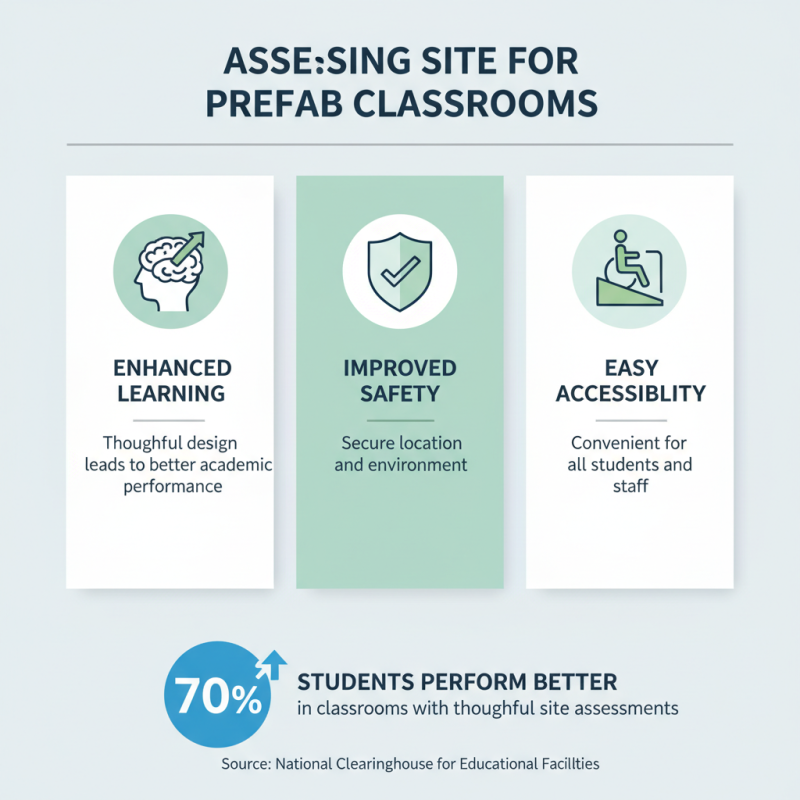
Choosing the right site for prefab classrooms greatly impacts their effectiveness. A well-placed classroom should enhance learning, safety, and accessibility. According to a recent report by the National Clearinghouse for Educational Facilities, 70% of students perform better in classrooms designed with thoughtful site assessments.
When assessing the site, consider natural sunlight. Classrooms filled with daylight improve student mood and focus. A study by the American Institute of Architects shows that natural light can increase learning outcomes by up to 20%. However, too much exposure may lead to overheating or glare. Balancing these factors is crucial.
Another essential aspect is accessibility. Ensure the classroom is reachable for all students, including those with disabilities. Local zoning regulations must be checked as well. According to the U.S. Department of Education, accessible environments foster inclusivity. However, some schools overlook local codes in their eagerness for new spaces.
Site placement should also take safety into account. Evaluate risks from nearby traffic or environmental hazards. The overall environment should support a secure learning atmosphere. Some school districts have faced costly retrofits due to poor site choices, highlighting the importance of thorough assessment.
Evaluating Materials and Construction Quality in Prefab Classrooms
When evaluating materials and construction quality in prefab classrooms, several factors play a pivotal role. Various studies indicate that over 70% of prefab facilities rely on modular construction methods. This trend highlights the importance of assessing the materials used in such buildings. High-quality insulation materials, for instance, can improve energy efficiency by up to 40%. Yet, many schools select cheaper options that may not offer the same long-term durability.
Attention to detail in construction quality is equally important. Inspections often reveal that around 30% of modular classrooms have issues related to structural integrity. This raises concerns about longevity and safety. Using specific criteria for evaluation can help mitigate risks. For example, a report from the National Institute of Building Sciences suggests that classrooms with metal framing last longer and resist pests more effectively than those built with wood.
Moreover, environmental factors are crucial. Reports indicate that prefab classrooms built with sustainable materials emit 30% less carbon dioxide. Yet, only a fraction of schools prioritize these eco-friendly options, leaving a gap in responsible construction practices. Evaluating these aspects thoroughly can lead to better investment decisions for the future of education.
Top Tips for Choosing the Best Prefab Classrooms
| Criteria |
Description |
Importance Rating (1-5) |
| Material Quality |
Evaluate the durability and insulation properties of the materials used. |
5 |
| Construction Standards |
Ensure compliance with local building codes and safety regulations. |
5 |
| Customization Options |
Check if customization for layout and design is available to suit your needs. |
4 |
| Cost Efficiency |
Assess overall costs versus quality to ensure value for money. |
4 |
| Delivery Time |
Consider the time frame for delivery and installation of the prefab classroom. |
3 |
| Environmental Impact |
Evaluate the sustainability of materials used and waste management processes. |
4 |
Budgeting for Your Prefab Classroom: Costs and Financing Options
When budgeting for your prefab classroom, costs can vary significantly. According to a report from the Modular Building Institute, the average cost of prefab classrooms can range from $100 to $200 per square foot. This includes materials, labor, and installation. It's essential to account for additional expenses like site preparation and utility connections. These factors can inflate initial estimates unexpectedly.
Consider financing options that suit your budget. Many schools find it beneficial to explore grants and loans specifically aimed at educational facilities. Organizations often offer funding programs to help with the purchase of modular buildings. Researching these opportunities can save you money in the long run.
Tip: Always prepare for unforeseen costs. Think about permits, inspections, and interior finishes. A budgeting cushion of 10-15% can help you manage surprises effectively. Ensure you have a detailed plan that outlines all potential expenses. This way, you can prevent financial strain later in the process.
Compliance with Local Regulations and Educational Standards
When choosing a prefab classroom, compliance with local regulations is crucial. Each area has unique codes that govern building safety, health standards, and accessibility. Failing to adhere to these rules can lead to delays, fines, or even complete disapproval. It's vital to research your local regulations thoroughly. Each detail matters, from fire safety measures to structural integrity assessments. Double-checking these requirements can save significant headaches down the line.
Educational standards also play a key role. Classrooms must be conducive to learning, which means considering aspects like classroom size and ventilation. Many regions require classrooms to meet specific guidelines for educational efficacy. It’s frustrating when a space doesn’t support effective teaching. Engaging with educators during the planning phase can provide insights into what features will truly enhance the learning environment. Mistakes can be made if the design ignores these voices, leading to a less effective educational experience. Listening and adapting to these needs is essential for a successful prefab classroom project.