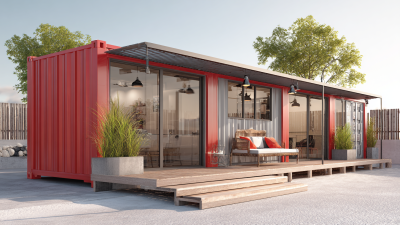
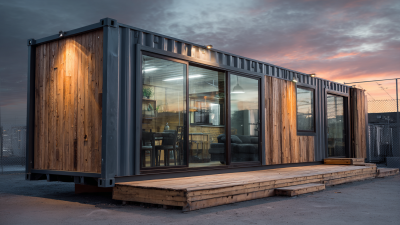
2025 Top 10 Iso Container House Innovations Transforming Sustainable Living Spaces
In recent years, the concept of sustainable living has gained unprecedented momentum, particularly with the emergence of innovative designs in the Iso Container House sector. These structures not only reflect a progressive approach to architecture but also serve as a testament to environmental responsibility. As industry expert Dr. Emily Vargas, a leader in sustainable housing design, aptly states, "The future of living is in rethinking how we use materials and space; Iso Container Houses embody this vision by transforming industrial leftovers into thriving homes."
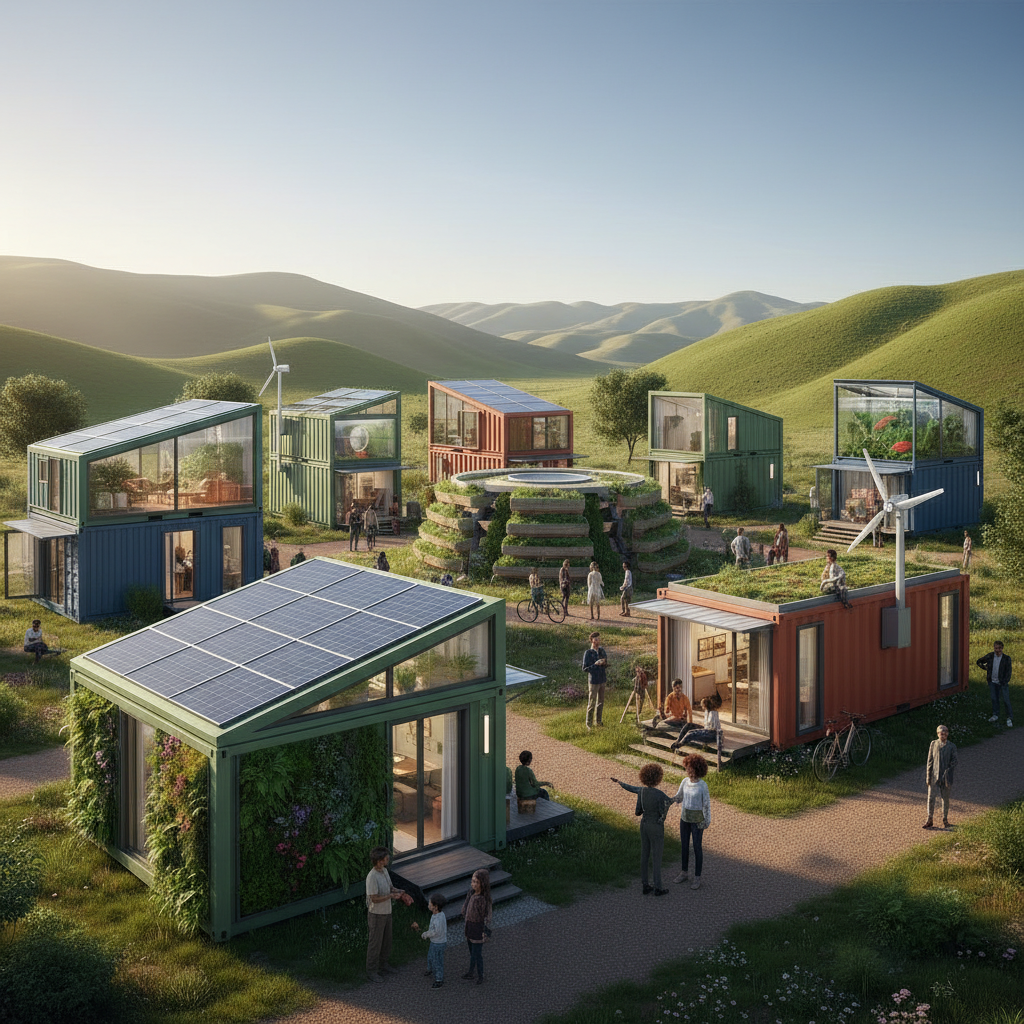
The innovations within the Iso Container House genre are reshaping the way we consider residential spaces. From energy-efficient systems to creative designs that fully utilize the compact nature of containers, these developments are pivotal in addressing housing shortages while minimizing ecological footprints. By embracing the latest trends and technologies, architects and builders are not just creating homes but are also fostering a lifestyle that prioritizes sustainability, resilience, and community.
As we explore the top 10 innovations revolutionizing Iso Container Houses by 2025, it's essential to recognize the potential these structures hold in redefining modern living. With their unique ability to adapt to various environments and their promise for a greener future, Iso Container Houses stand at the forefront of sustainable architecture, leading the way towards a more eco-conscious society.
Emerging Trends in ISO Container Homes for Sustainable Living in 2025
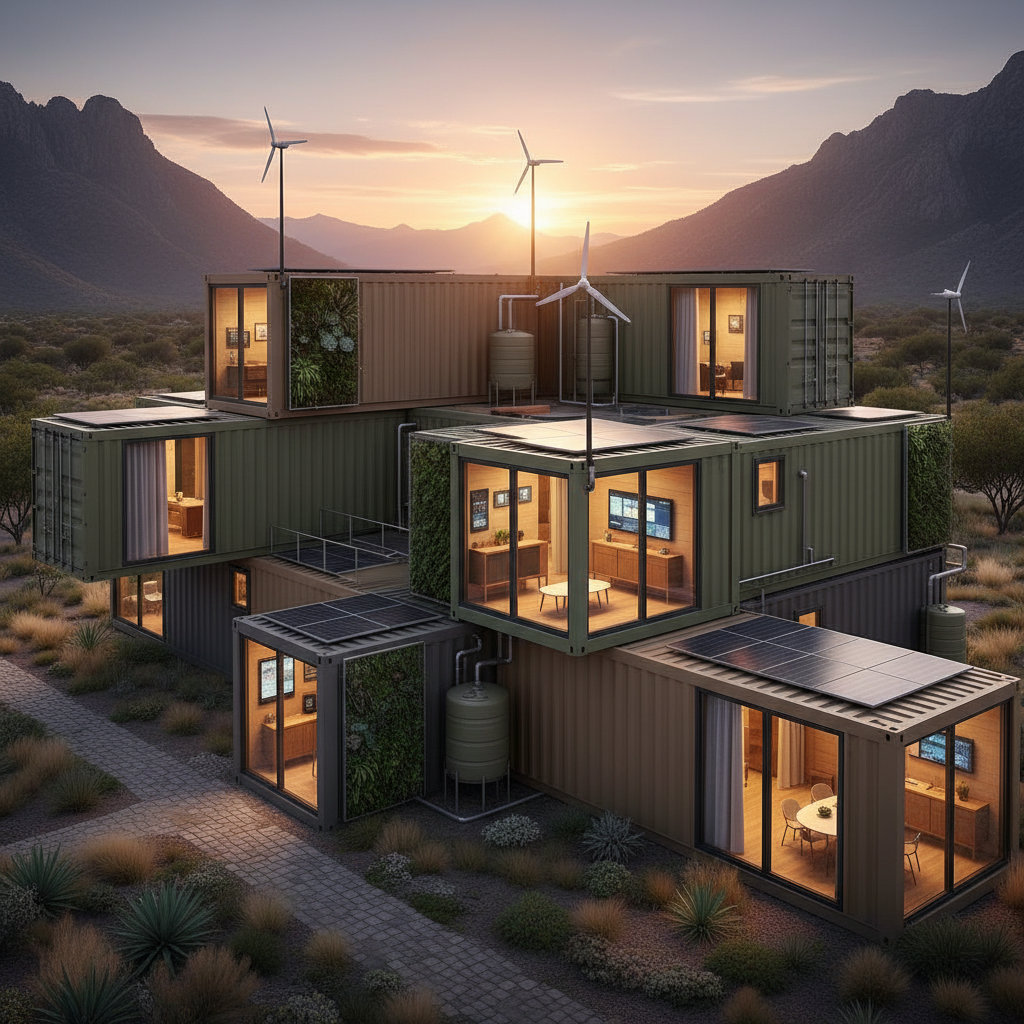
In 2025, the trend of ISO container homes is evolving beyond mere affordability and mobility to embrace a more sustainable lifestyle. Innovative designs are integrating renewable energy sources such as solar panels and rainwater harvesting systems. These features not only reduce the ecological footprint of container homes but also ensure a self-sufficient living environment. Smart home technology also plays a pivotal role, allowing residents to monitor and manage their energy consumption efficiently, aligning with the goals of sustainable living.
Tips for those considering an ISO container home include focusing on insulation and ventilation. Proper insulation will help regulate temperatures and minimize energy use, while effective ventilation ensures fresh air circulation, enhancing indoor air quality. Additionally, exploring community-oriented designs can foster a sense of belonging and shared resources among residents, making sustainability a collective effort rather than an individual challenge.
As container homes gain popularity, the incorporation of natural materials and green building practices becomes essential. Reclaimed wood, eco-friendly paints, and non-toxic materials are increasingly being used in these spaces. This not only promotes sustainability but also creates a cozy and inviting atmosphere, proving that innovative design can go hand-in-hand with environmental responsibility.
2025 Top 10 Iso Container House Innovations Transforming Sustainable Living Spaces
| Innovation |
Description |
Sustainability Impact |
| Modular Rainwater Harvesting System |
A system integrated into container homes that captures rainwater for reuse in plumbing and irrigation. |
Reduces reliance on municipal water systems and lowers water bills. |
| Solar Panel Roofs |
Containers designed with solar panel roofs to provide renewable energy for home use. |
Significantly lowers carbon footprint and energy costs. |
| Green Roof Technology |
Implementation of vegetation on roofs to enhance insulation and reduce stormwater runoff. |
Improves air quality and promotes biodiversity. |
| Recycled Material Features |
Utilization of reclaimed wood, metal, and other materials in construction and interior design. |
Minimizes waste and resource consumption, promoting a circular economy. |
| Smart Home Technology |
Integration of IoT devices for efficient energy management and improved living standards. |
Enhances energy savings and convenience in daily living. |
| Wind Energy Solutions |
Small wind turbines installed on container homes for supplemental energy generation. |
Complementary energy source, reducing reliance on grid electricity. |
| Zero Waste Systems |
Designs that encourage composting and waste recycling integrated into living spaces. |
Promotes waste reduction and responsible consumption practices. |
| Passive Heating and Cooling Design |
Architecture that optimizes natural ventilation and sunlight to maintain comfortable indoor climates. |
Reduces energy use for heating and cooling. |
| Community-Based Designs |
Container homes arranged to foster community interactions and shared resources. |
Encourages social sustainability and resource efficiency. |
| Biophilic Design Elements |
Incorporation of natural elements and views into living spaces to enhance occupant well-being. |
Improves mental health and connection to nature. |
Innovative Technologies Enhancing Energy Efficiency in Container Architecture
The shift toward sustainable living spaces is increasingly supported by innovative technologies in container architecture, especially as we look towards the future of eco-friendly housing. Recent advancements show that buildings can achieve up to 50% better energy efficiency through the integration of renewable energy sources, such as solar panels and wind turbines. These technologies, combined with energy-efficient insulation and smart home systems, allow container houses to significantly reduce their carbon footprint while maintaining a modern aesthetic. According to the U.S. Department of Energy, the use of energy-efficient construction methods can save homeowners an average of 30% on their energy bills.
Moreover, the implementation of smart technology in container homes further enhances their sustainability credentials. Cutting-edge systems that monitor energy consumption and optimize lighting and temperature have been shown to reduce overall energy usage by an impressive 20-40%. Data from the Global Smart Home Market indicates a predicted growth rate of 25% annually in smart home technologies, reflecting the increasing demand for energy-efficient solutions within the housing market. As container houses continue to innovate, these technologies will play a critical role in fostering a more sustainable future, demonstrating that eco-friendly living is both practical and attainable.
The Role of Modular Design in Sustainable Community Development
The concept of modular design is increasingly recognized as a pivotal approach in fostering sustainable community development. Recent innovations, evidenced by investments in modular housing and urban infrastructure, highlight this trend. For instance, a Pittsburgh-based sustainable housing company has received significant funding to expand its operations, creating new jobs while promoting affordable living solutions. This model not only enhances economic viability but also aligns with the growing need for sustainable practices in urban settings.
Tips: When considering modular design, prioritize flexibility and adaptability in your spaces. Look for materials that contribute to a circular economy, such as recycled plastics, as seen in the Melbourne tram stop project. Engaging local communities in the design process can also strengthen ties and ensure that developments meet the needs of residents effectively.
Moreover, research into modular integrated construction emphasizes its potential for developing low-carbon cities. Innovative designs, such as modular smog towers, exemplify how such structures can address environmental challenges while enhancing urban life. As we rethink our built environments, embracing modular design offers a pathway to sustainable, resilient communities.
Smart Home Features Revolutionizing Container Living Environments
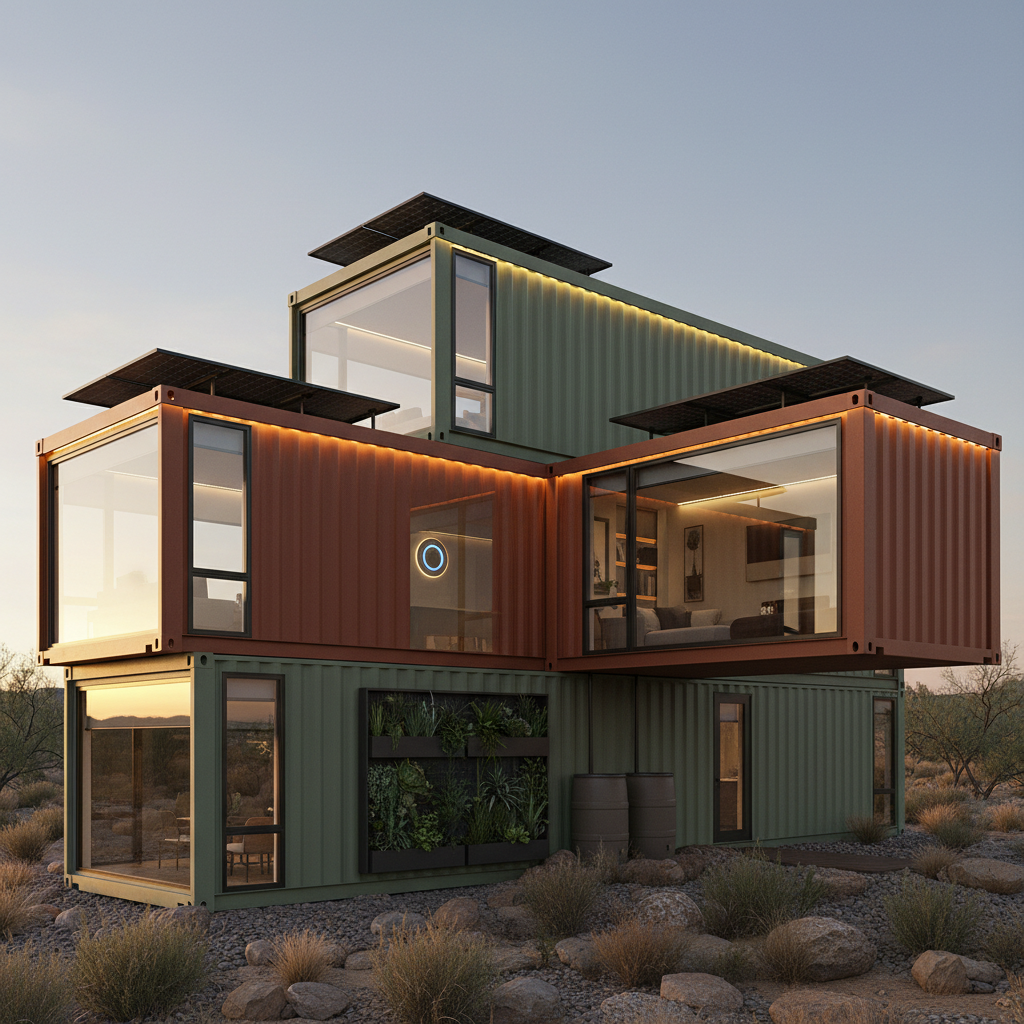
The rise of innovative technology has significantly transformed container living, making it more sustainable and user-friendly. At the forefront of these advancements are smart home features that enhance energy efficiency and streamline daily living in ISO container homes. From automated lighting systems that adjust according to natural light to smart thermostats that optimize heating and cooling, these technologies not only reduce energy consumption but also improve the overall quality of life for residents.
Furthermore, integrating IoT devices into container homes has revolutionized how we interact with our living spaces. Bluetooth-enabled appliances allow homeowners to manage their kitchen devices remotely, while advanced security systems provide real-time monitoring through smartphones. Additionally, rainwater harvesting systems equipped with smart sensors ensure optimal water usage, helping to minimize waste. Together, these innovations foster a sustainable lifestyle, proving that eco-friendly living doesn't mean sacrificing comfort or convenience.
The Impact of Container Homes on Urban Space Utilization and Affordability
The rise of container homes has introduced a revolutionary approach to urban living, significantly enhancing space utilization and affordability in metropolitan areas. By repurposing shipping containers, these homes provide a compact, flexible solution that optimizes limited urban land. This innovation allows for modular construction, making it easy to scale up or down based on specific needs, thereby promoting a more efficient use of resources. With their stackable design and minimal footprint, container homes can be strategically placed to maximize available space in densely populated urban environments.
Affordability is also a critical aspect of container homes, which offer a budget-friendly alternative to traditional housing. The lower initial investment in materials and construction time translates to reduced housing costs, making homeownership more accessible for many individuals and families. Furthermore, the adaptability of container homes encourages creative designs that cater to diverse lifestyles without compromising quality. As cities continue to grapple with housing shortages and rising real estate prices, container homes emerge as a practical solution that fosters sustainable living while addressing urgent affordability challenges.
2025 Top 10 Iso Container House Innovations Transforming Sustainable Living Spaces
This chart illustrates the impact of various innovations in iso container homes on urban space utilization and affordability. The data represents the estimated percentage improvement in each category due to these innovations.