Top 10 Benefits of Container Living You Need to Know Today
Container living has emerged as a compelling alternative to traditional housing, offering a unique blend of sustainability, efficiency, and creativity. As the demand for innovative housing solutions continues to grow, more people are discovering the myriad benefits of transforming shipping containers into functional living spaces. This modern approach not only addresses the challenges of urbanization and housing shortages but also appeals to those seeking a minimalist lifestyle or a chance to reduce their environmental footprint.
The advantages of container living extend beyond mere aesthetics; they encompass economic, social, and environmental perspectives. From the potential for cost savings and quick construction times to the ability to customize designs and promote eco-friendliness, container living presents a wealth of opportunities for individuals and families alike. In this article, we will explore the top ten benefits of container living that everyone should consider today, highlighting how this innovative housing solution can transform the way we think about homeownership and sustainable living.
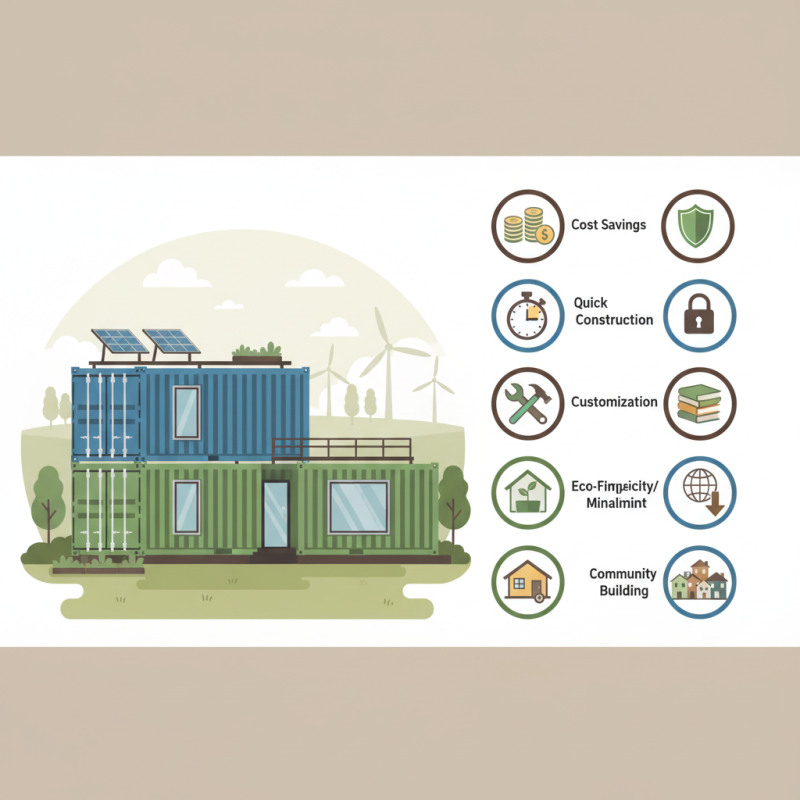
Benefits of Container Living: An Overview
Container living has gained popularity for its unique blend of functionality, sustainability, and affordability. These innovative homes, often made from repurposed shipping containers, present numerous benefits that cater to a modern lifestyle. One primary advantage is their cost-effectiveness; container homes typically require less financial investment compared to traditional housing. This affordability allows individuals to allocate resources toward personal projects or experiences, enhancing their quality of life.
Additionally, container living promotes environmental sustainability. By repurposing old shipping containers, homeowners reduce waste and minimize their ecological footprint. This eco-friendly approach is complemented by opportunities for energy efficiency—many container homes can be equipped with solar panels and energy-efficient appliances. Tips for those considering this lifestyle include researching local zoning regulations and ensuring proper insulation to maintain comfort in various climates.
Lastly, container homes are highly customizable, allowing residents to design their living spaces according to personal tastes and lifestyle needs. Whether it's creating a cozy retreat or a modern work-from-home environment, the flexible nature of container living encourages creativity. Potential dwellers should explore various interior design ideas and maximize storage options to fully utilize the space available. Embracing container living opens the door to innovative, sustainable, and individualized housing solutions.
Cost-Effectiveness: Affordable Housing Solutions
Container living has emerged as a viable option for many seeking affordable housing solutions. Converting shipping containers into homes offers a unique and cost-effective approach to homeownership. The initial expense is significantly lower than traditional housing structures, making it accessible for individuals and families on a budget. Additionally, container homes often require fewer materials and less time to build, which further reduces construction costs.
When considering container living, it’s wise to keep a few tips in mind. First, research local zoning laws and building codes to ensure compliance. Since container homes are relatively new in the housing market, regulations can vary widely. Second, think creatively about the design and layout of your space. Container living allows for customization, so take advantage of flexible designs that maximize space efficiency. Lastly, consider energy-efficient features, such as solar panels and insulation, to reduce utility costs in the long run.
The overall potential for saving money extends beyond the purchase and construction of the home. Many container homeowners find that their maintenance costs are also lower due to the durable materials used. With proper insulation and ventilation, these homes can remain comfortable throughout the year, helping to avoid high heating or cooling expenses. Embracing container living not only supports a frugal lifestyle but also promotes sustainability and innovation in housing.
Sustainability: Environmentally Friendly Living Choices
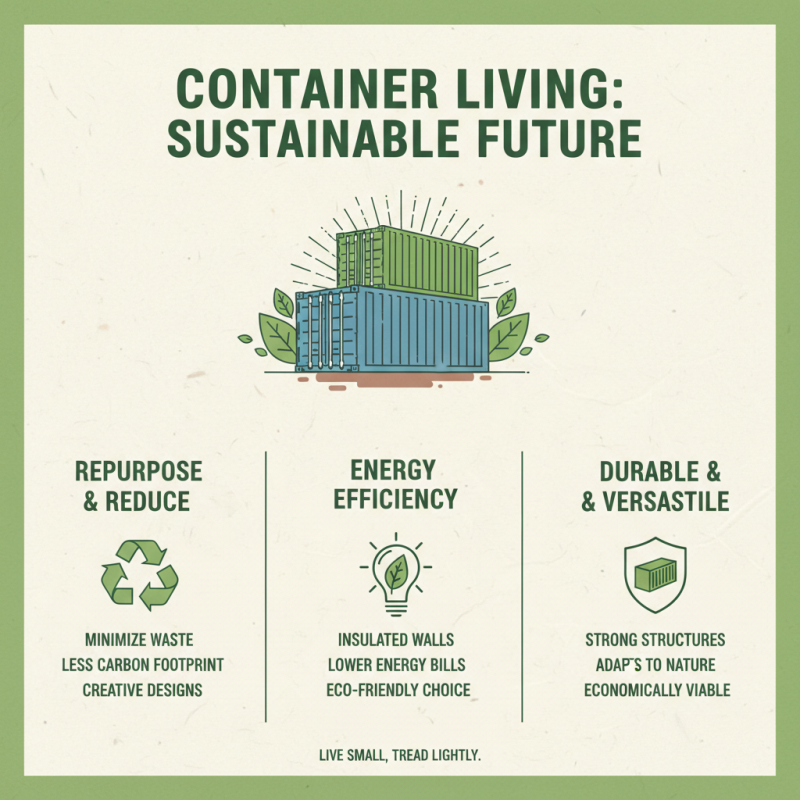
Container living has emerged as a sustainable alternative to traditional housing, emphasizing environmentally friendly choices for modern dwellers. By using repurposed shipping containers, individuals can minimize waste and reduce the carbon footprint typically associated with conventional construction. These units are not only durable but also versatile, allowing for creative designs that blend harmoniously with nature. The insulation provided by container walls can also lead to lower energy consumption, making this lifestyle choice economically viable and environmentally responsible.
When embracing container living, here are some tips to enhance your sustainability efforts. First, consider installing solar panels to utilize renewable energy, significantly cutting down your reliance on fossil fuels. Additionally, incorporating rainwater harvesting systems can help you manage water resources more efficiently, reducing your impact on local water supplies. Lastly, choosing eco-friendly materials for insulation and finishes will further align your container living experience with a commitment to green living.
Creating a container home that fits into the sustainable lifestyle you envision involves thoughtful planning and design. By thoughtfully integrating natural elements and promoting efficient energy usage, you can enjoy the myriad benefits of container living while remaining committed to caring for the environment.
Mobility: The Flexibility of Moveable Homes
Container living has gained significant traction in the housing market due to its remarkable mobility. Unlike traditional homes, container homes offer the unprecedented freedom to relocate without the complexities of conventional real estate transactions. According to a report from the Container Home Institute, the popularity of these structures has surged, with a 70% increase in inquiries about mobile homes over the last three years. This trend reflects a growing desire for living spaces that adapt to the dynamic lifestyles of modern inhabitants.
The flexibility of moveable homes not only facilitates job changes and lifestyle shifts, but it also opens up opportunities for sustainable living. A study from the Urban Land Institute found that 60% of millennials are drawn to homes that allow for mobility, partly due to their desire to minimize their carbon footprint. Container homes can be easily transported, reducing the environmental impact associated with traditional construction, which often leads to considerable waste and emissions.
As more individuals seek sustainable and mobile living options, container homes are emerging as a viable solution, catering to both environmental concerns and personal flexibility in a rapidly changing world.
Design Versatility: Customization Options for Container Homes
Container living has gained immense popularity due to its design versatility, allowing homeowners to customize their living spaces to reflect personal tastes and functional requirements. One of the most compelling aspects of container homes is the freedom they offer in terms of layout and finishes. According to a report by the Container Housing Alliance, around 70% of container home owners opted for unique designs that cater to their lifestyle, showcasing the adaptability that these structures provide. Homeowners can choose from a variety of interior layouts, including open-plan designs or compact living spaces, depending on their individual needs.
The customization options extend beyond just the structure’s shape and size; they also encompass the choice of materials and finishes. Many container homeowners incorporate sustainable materials and energy-efficient systems, such as solar panels and green roofing, which not only enhance aesthetic appeal but also contribute to environmental sustainability. Research from the Sustainable Housing Initiative indicates that 60% of container home constructions integrate eco-friendly features, highlighting a significant trend towards greener living. This ability to personalize living environments while promoting sustainability makes container homes an attractive option for those looking to build a unique and responsible lifestyle.
Conclusion
Container living has emerged as a modern solution to various housing challenges, offering a range of benefits that appeal to diverse lifestyles. One of the key advantages is cost-effectiveness, as container homes provide an affordable alternative to traditional housing, making homeownership accessible to more people. Additionally, the sustainability aspect of container living promotes environmentally friendly choices, reducing waste and energy consumption.
Another notable benefit is mobility; container homes can be easily relocated, enhancing the flexibility and adaptability of living spaces. Furthermore, the design versatility allows homeowners to customize their containers to meet personal tastes and functional needs, fostering creativity in architecture. Lastly, container living encourages unique community interactions and lifestyles, as more people embrace innovative living environments. Overall, container living represents a forward-thinking approach to housing that aligns with contemporary values of affordability, sustainability, and versatility.