Top 10 Benefits of Using Flat Pack Container Office Solutions?
In the rapidly evolving world of workspace solutions, the "Flat Pack Container Office" stands out. This innovative approach has reshaped how businesses view temporary and mobile office spaces. Dr. Emily Carter, a renowned expert in modular building solutions, emphasizes its impact: “The flexibility of Flat Pack Container Offices is unmatched in today’s dynamic work environment.”
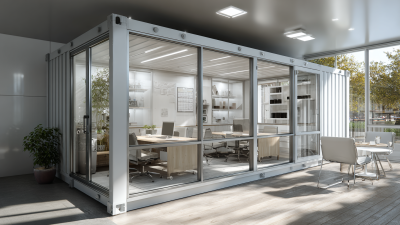
As companies face increasing demands for adaptable spaces, Flat Pack Container Offices offer practical solutions. They combine quality design with rapid deployment, allowing businesses to set up operational spaces quickly. Modular units can be easily transported and assembled, making them ideal for projects that require swift adaptation.
However, it's essential to recognize potential challenges. Dependence on temporary structures can lead to issues like limited long-term viability. While Flat Pack Container Offices are effective, organizations must evaluate their long-term strategic plans. The balance between innovation and sustainability remains a key consideration for businesses looking to adopt this modern solution.
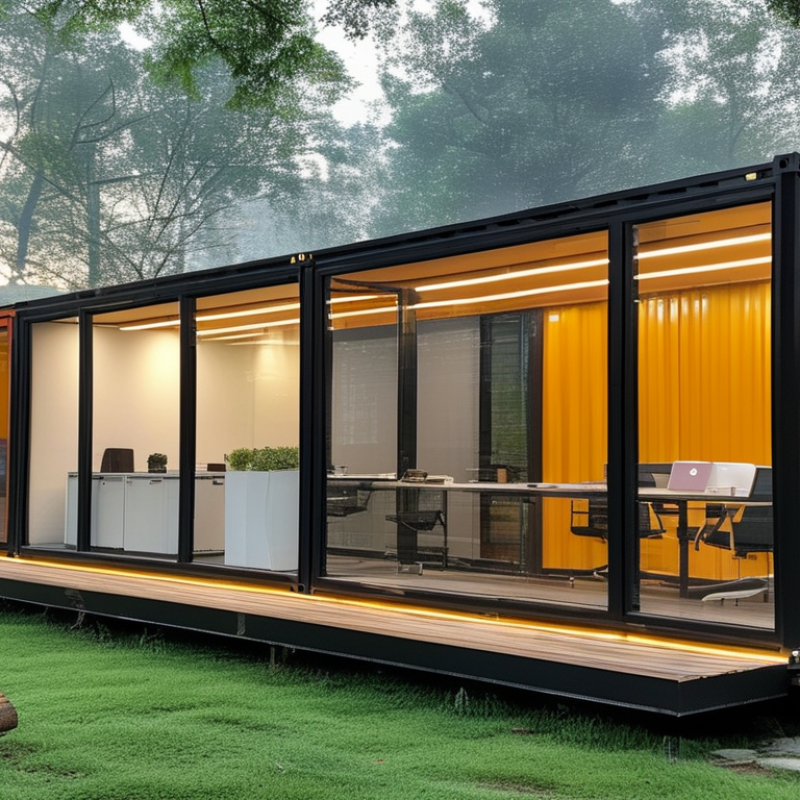
Advantages of Cost-Effectiveness in Flat Pack Container Offices
Flat pack container offices offer remarkable cost-effectiveness, which is vital for businesses today. These units are often more affordable than traditional construction methods. They require less labor and material, reducing overall expenses. Besides, their modular design allows for quick assembly and disassembly. This greatly minimizes downtime during setup periods.
Moreover, the flexibility of flat pack offices cannot be overstated. Companies can easily scale their space according to their needs. If more staff is hired, adding another unit is straightforward. This adaptability leads to efficient use of resources. However, some may worry about durability. While these containers are robust, they may not perform well in extreme weather conditions without proper insulation. It's essential to evaluate specific needs before committing.
In addition, container offices can be relocated easily. This mobility is beneficial for businesses that may shift locations frequently. However, adapting to different site conditions requires thoughtful planning. While they are affordable and efficient, careful consideration is needed to maximize their potential. Balancing cost with quality ensures that these solutions meet long-term operational goals.
Flexibility and Mobility of Container Office Solutions
Container office solutions offer remarkable flexibility suited for various needs. These structures can be positioned in almost any location. If your business faces changes in demand, container offices can adapt quickly. You can relocate them without significant effort. This mobility allows businesses to scale operations efficiently.
The design of container offices allows customization. You can modify internal layouts according to functional needs. This capability is vital for dynamic work environments. However, some may find challenges in integrating technology. Continuously upgrading your infrastructure is necessary for optimal performance. Wind, rain, and other environmental factors may affect their durability. Regular inspections can mitigate these risks, ensuring reliability.
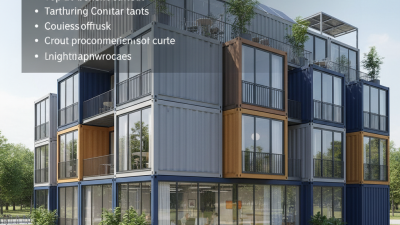
Lastly, container offices encourage creative spatial solutions. They can be stacked or placed side by side to expand capacity. This innovative approach sometimes leads to unanticipated design issues. Realizing that these structures require ongoing maintenance is crucial. Monitoring their condition helps maintain a conducive workspace.
Top 10 Benefits of Using Flat Pack Container Office Solutions
Sustainability and Environmental Benefits of Flat Pack Design
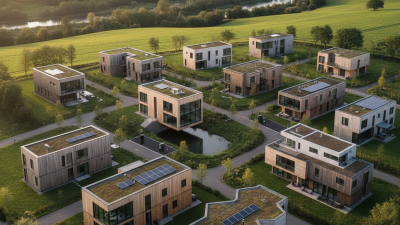
Flat pack container offices are gaining traction for their sustainable design. These modular solutions use fewer materials, leading to reduced waste. This approach is particularly beneficial in construction, where excess waste can harm the environment. Each container is designed to be energy efficient, reducing overall carbon footprints.
The flexibility of flat pack containers promotes sustainable practices. They can be relocated easily, minimizing the need for new materials in building. Additionally, many components are recyclable, which further lessens landfill impact. These solutions encourage a circular economy. However, the long-term durability of some materials requires careful consideration.
Implementing flat pack designs can foster a strong commitment to environmental responsibility. Organizations can adapt their workspace to suit evolving needs while also being mindful of their ecological footprint. Yet, balancing cost with sustainability is an ongoing challenge. Emphasizing energy efficiency and functionality opens the door to innovations in office design.
Top 10 Benefits of Using Flat Pack Container Office Solutions
| Benefit |
Description |
Sustainability Impact |
| Cost-Effective |
Lower initial investment compared to traditional office structures. |
Reduces material usage and waste. |
| Quick Assembly |
Fast setup, allowing for immediate use. |
Minimizes site disturbance and environmental disruption. |
| Flexibility |
Easily adaptable for various office needs. |
Supports dynamic use of land and resources. |
| Portability |
Can be moved and reused in different locations. |
Reduces the need for new construction and materials. |
| Eco-Friendly Materials |
Constructed from sustainable and recycled materials. |
Decreases carbon footprint and promotes recycling. |
| Energy Efficiency |
Can be designed with energy-saving features. |
Lower energy consumption leads to reduced emissions. |
| Minimal Waste |
Pre-fabricated components reduce on-site waste generation. |
Promotes responsible waste management practices. |
| Scalability |
Easily scaled up or down based on business needs. |
Optimizes resource use based on demand. |
| Workplace Wellbeing |
Modern design can enhance employee satisfaction. |
Encourages healthier work environments. |
| Regulatory Compliance |
Can meet or exceed building regulations for sustainability. |
Supports green building initiatives and policies. |
Quick Assembly and Installation Processes for Container Offices
Container offices are gaining popularity due to their simplicity in assembly and installation. A report by the Container Housing Association states that a well-designed flat pack container can be set up in less than one day. This quick turnaround is a game-changer for businesses in need of immediate workspace solutions. Teams can begin operations almost right after delivery.
Moreover, the efficiency of these modular offices has been backed by industry data. Approximately 70% of businesses reported that container offices reduced setup time compared to traditional constructions. The pre-fabricated nature of these units allows for easy transportation and assembly. Even in challenging environments, they adapt well. However, lack of familiarity with this process can lead to miscalculations during setup.
It's essential to follow assembly guidelines closely to avoid costly mistakes. Some projects have seen delays due to improper handling, highlighting the need for training. Effective installation minimizes future issues and maximizes functionality. While the benefits are clear, businesses must remain aware of the common pitfalls in assembly. This awareness can ensure a smoother transition into using container offices for various needs.
Customizability and Design Options Available for Users
Flat pack container office solutions offer excellent customizability. Users can choose various designs that fit their specific needs. Options range from open layouts to partitioned spaces. Users have the freedom to select colors, materials, and finishes that reflect their brand. This flexibility allows businesses to create an environment that boosts productivity.
The design options also include smart storage solutions. Shelves, cabinets, and drawer units can be integrated seamlessly. Users can optimize space without sacrificing style or functionality. Some may find it challenging to visualize the final product. Collaborating with design experts can bridge this gap and lead to better outcomes.
It’s important to note that with customizability comes responsibility. Users must ensure that their choices meet safety standards and regulations. Poor design decisions can lead to functional issues down the line. Reflecting on these aspects can lead to a more productive workspace. A well-thought-out design results in a better overall experience for everyone using the space.