Top 10 Container Camps Around the World for Sustainable Living Solutions
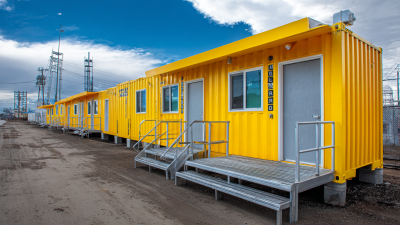
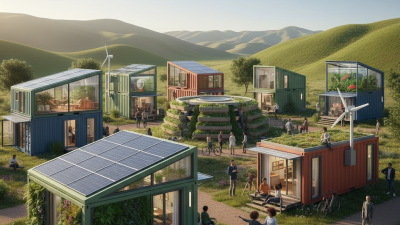
In recent years, the concept of sustainable living has gained significant traction as societies grapple with the challenges of urbanization and environmental degradation. One innovative solution that has emerged is the use of Container Camps, which transform shipping containers into functional living spaces that promote ecological balance. These camps are not only cost-effective but also versatile, allowing for the creation of durable and eco-friendly communities in various settings, from urban centers to remote areas.
Container Camps exemplify how creative architecture and sustainable practices can converge to address housing shortages and promote a more environmentally conscious lifestyle. By repurposing old shipping containers, these camps minimize waste and reduce the carbon footprint associated with building new structures. As we explore the top ten Container Camps around the world, we uncover inspiring examples of how these solutions are shaping the future of sustainable living, fostering resilience, and encouraging innovative design in the face of global challenges.
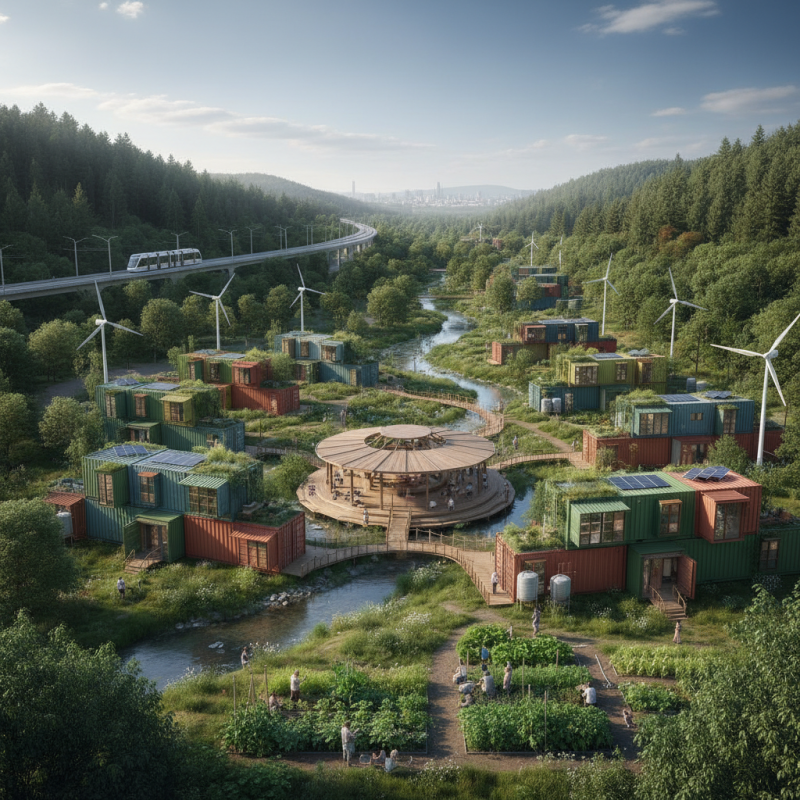
Top Container Camps Revolutionizing Sustainable Living Worldwide
Around the globe, container camps are revolutionizing the concept of sustainable living by turning repurposed shipping containers into habitable, eco-friendly spaces. According to a 2021 report by the Global Sustainability Forum, the construction and operation of such camps can reduce carbon emissions by 40% compared to traditional building methods. These innovative solutions not only minimize waste but also promote efficient use of resources, making them indispensable in addressing the urgent need for sustainable housing options in urban areas.
One notable feature of container camps is their ability to be easily relocated, reducing the environmental impact associated with traditional construction. Many projects utilize solar panels, rainwater harvesting systems, and composting toilets, thus fostering a self-sustaining ecosystem. Moreover, a survey by the International Institute of Sustainable Development found that 68% of participants in eco-conscious communities preferred living in container setups, highlighting a growing interest in minimalistic and environmentally responsible lifestyles.
Tips: When considering joining or creating a container camp, it’s essential to focus on community involvement and ecological practices. Engaging local populations in design and operational processes can result in more culturally attuned and sustainable outcomes. Additionally, prioritizing the use of renewable energy sources and green building materials will not only minimize environmental footprints but also bolster resilience against climate change impacts.
Top 10 Container Camps for Sustainable Living Solutions
This chart illustrates the estimated capacity (in units) of the top 10 container camps worldwide that are revolutionizing sustainable living. The data reflects the innovative approaches they adopt for eco-friendly living solutions.
Innovative Design Features in Leading Container Camps
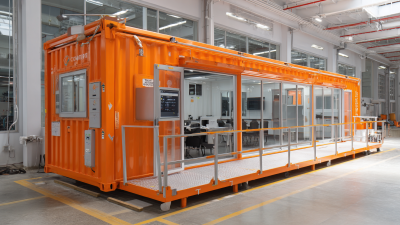
Container camps have emerged as a sustainable living solution, harnessing innovative design features that prioritize both functionality and environmental responsibility. These camps often utilize repurposed shipping containers, which not only minimizes waste but also reduces the carbon footprint associated with traditional construction methods. According to the Global Sustainability Report 2022, the construction sector contributes approximately 39% of global carbon emissions, highlighting the urgency for alternative building solutions. Many container camps incorporate elements such as solar panels, rainwater harvesting systems, and green roofs, all of which contribute to decreased energy consumption and cost-efficiency.
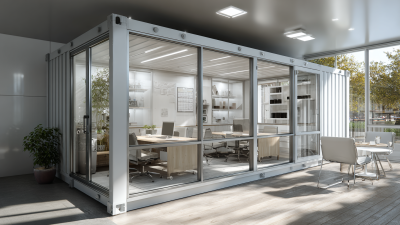
In addition to eco-friendly features, the design of container camps emphasizes community living and adaptability. The modular nature of containers allows for flexible layouts, enabling spaces that can evolve based on the needs of the residents. Collaborative areas, including communal kitchens and shared gardens, encourage social interaction and promote sustainable living practices. Research from the International Green Building Council indicates that integrated community spaces can enhance residents' quality of life while fostering a sense of belonging and environmental stewardship.
Tips for selecting a container camp include looking for facilities that prioritize sustainable materials and energy sources. Consider the availability of local resources to reduce transportation emissions and support the surrounding community. Additionally, check for certifications or recognition in sustainability that can help gauge the camp's commitment to environmental practices. By choosing a container camp with strong innovative design features, individuals can contribute to a more sustainable future while enjoying a unique living experience.
Community Impact and Social Sustainability in Container Living
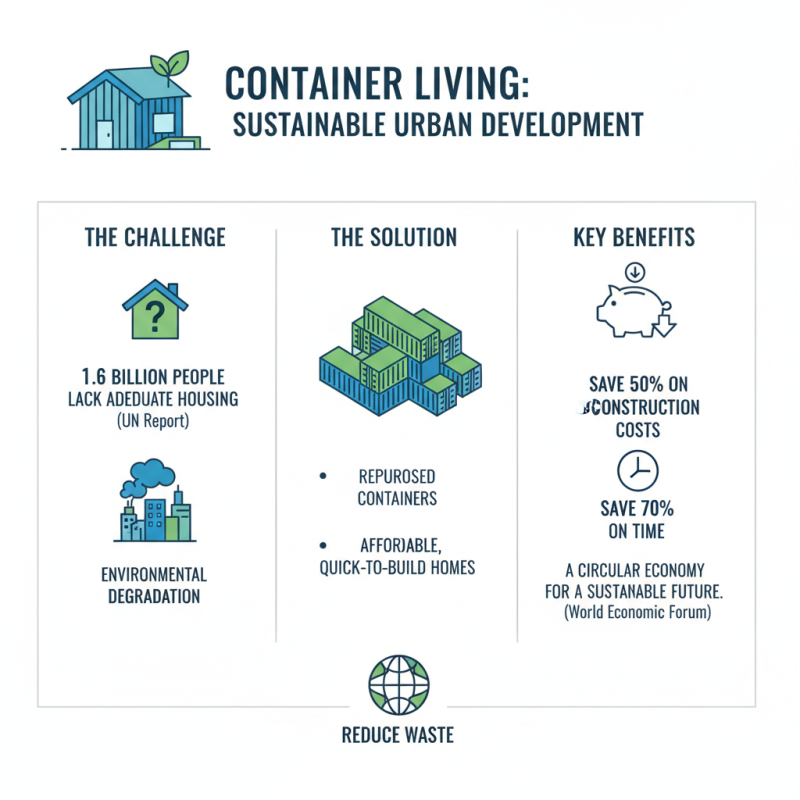
Container living has emerged as a compelling solution for sustainable urban development, addressing pressing issues such as affordable housing shortages and environmental degradation. A recent report from the United Nations indicates that around 1.6 billion people worldwide lack adequate housing, making sustainable living alternatives crucial. Container camps, which repurpose shipping containers into livable spaces, not only reduce waste but also lower construction costs, offering potential solutions in contextually challenged areas. According to the World Economic Forum, these innovative dwellings can be built at a fraction of the time and cost of traditional buildings, with some estimations suggesting savings of up to 50% in construction costs and 70% in time.
Moreover, the social sustainability of container living is noteworthy, as it fosters a sense of community and collaboration among residents. Studies show that community-oriented housing projects lead to increased social cohesion and a stronger sense of belonging. For instance, a research paper published in the Journal of Urban Affairs highlighted that such models, when incorporated with community engagement initiatives, resulted in a 30% increase in community participation and satisfaction levels among residents. Container living can serve as a scalable model for addressing not just housing needs but also enhancing the social fabric of communities, ultimately contributing to long-term social sustainability.
Environmental Benefits of Container Camps: A Sustainable Solution
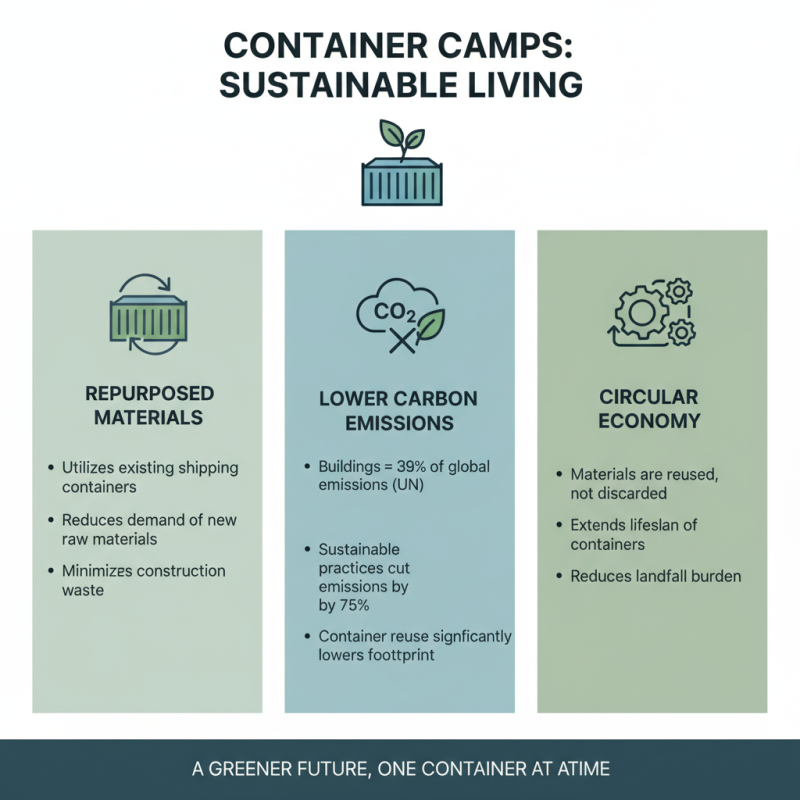
The rising popularity of container camps as a solution for sustainable living is rooted in their numerous environmental advantages. According to the United Nations, the construction and operation of buildings contribute to approximately 39% of global carbon emissions. Container camps leverage repurposed shipping containers, significantly reducing the need for new materials and minimizing waste. By utilizing this existing infrastructure, these camps foster a circular economy, where materials are reused rather than discarded. A study by the World Green Building Council indicates that sustainable building practices can reduce carbon emissions by up to 75%, showcasing the potential of container camps in addressing climate challenges.
Moreover, container camps often embody energy efficiency and resource conservation. Many camps integrate renewable energy technologies, such as solar panels and wind turbines, to power their facilities. Reports from the International Energy Agency reveal that buildings designed with energy efficiency in mind can cut energy consumption by 50% or more compared to traditional methods. This commitment to sustainability not only lowers costs for residents but also enhances their resilience against fluctuating energy prices. Furthermore, many container camps incorporate water-saving technologies and eco-friendly waste management systems, further minimizing their environmental footprint and promoting a holistic approach to sustainable living solutions.
Case Studies: Success Stories from Top Container Camps Globally
Around the world, innovative container camps have emerged as viable solutions for sustainable living. These camps not only provide shelter but are designed to minimize environmental impact while offering comfortable and functional living spaces. One notable case is a container project established in a remote region that serves as a model for community resilience. Here, containers have been repurposed into homes, community kitchens, and shared workspaces, fostering collaboration among residents. The use of solar energy and rainwater harvesting systems highlights the commitment to sustainability. This successful integration of ecological practices demonstrates how container camps can address housing shortages while promoting a circular economy.
Another inspiring example is the use of container camps in urban areas facing population surges. A city-based initiative transformed shipping containers into low-cost housing for the homeless, offering not just shelter but also access to essential services and community engagement activities. This approach significantly reduced construction time and costs while creating a vibrant living environment. The residents benefit from a supportive network and skills training opportunities, allowing them to reintegrate into society. These success stories from container camps showcase their potential to contribute to sustainable urban development and tackle social issues effectively.
Top 10 Container Camps Around the World for Sustainable Living Solutions
| Camp Name |
Location |
Year Established |
Sustainability Features |
Community Impact |
| Eco Lodge |
Costa Rica |
2018 |
Solar panels, rainwater harvesting |
Job creation, local sourcing |
| Green Haven |
Germany |
2016 |
Recycled materials, composting |
Community workshops, education |
| Sustainability Village |
Canada |
2017 |
Wind turbines, permaculture gardens |
Skill training, local biodiversity |
| Container Community |
Australia |
2019 |
Eco-friendly design, off-grid living |
Cultural exchange, community engagement |
| Nomads Camp |
Thailand |
2020 |
Natural materials, zero waste |
Revitalization of local culture |
| Urban Oasis |
USA |
2021 |
Vertical gardens, urban farming |
Food security, urban greening |
| Green Homes |
Sweden |
2022 |
Energy-efficient, eco-friendly |
Affordable housing solutions |
| Eco Retreat |
New Zealand |
2015 |
Biodegradable materials, eco-tours |
Tourist engagement, educational programs |
| Green Harbor |
Japan |
2014 |
Smart home technology, recycling |
Community resilience, disaster preparedness |
| Renewable Camps |
Brazil |
2013 |
Hydropower, local ecosystem restoration |
Ecotourism, habitat protection |