Top Container Casa Designs for Sustainable Living Solutions?
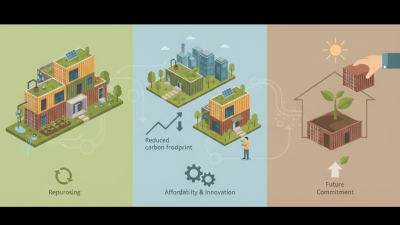
The rise of Container Casa designs marks a significant shift in sustainable living solutions. These unique homes made from shipping containers offer an eco-friendly alternative to traditional housing. They minimize waste by repurposing materials while maximizing the use of small spaces. Container Casa can be spacious with smart layouts and sustainable features.
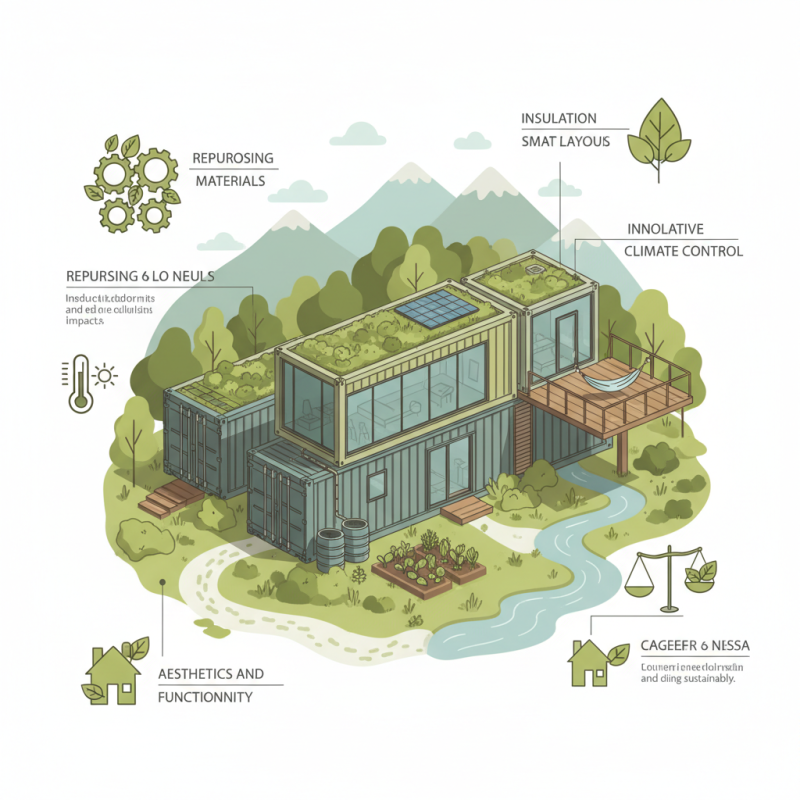
Living in a Container Casa presents challenges. Insulation and climate control require careful planning. Finding the right balance between aesthetics and functionality is crucial. However, the creativity of these designs often leads to innovative solutions. Each project tells a story of resilience and resourcefulness.
As we explore the top Container Casa designs, we discover possibilities for reduced environmental impact. The journey of living sustainably can be fulfilling. Yet, it is essential to reflect on the compromises made for comfort. Embracing this lifestyle means prioritizing simplicity and connection to nature. Container Casa embodies a vision for a greener future while inviting us to rethink our living spaces.
Top Container Casa Designs for Sustainable Living Solutions
Container casas are gaining popularity as sustainable living solutions. These homes are often made from
repurposed shipping containers. According to industry reports, container homes can reduce construction waste by
up to 90%. They are also energy-efficient, allowing for significant savings on utility bills.
However, constructing these homes is not without challenges.
Insulation can be a concern. Standard containers are usually made of steel, which can lead to uncomfortable temperatures
if not properly treated. A study found that inadequate insulation can increase heating and cooling costs by
up to 30%. This raises questions about the long-term sustainability of
container casas.
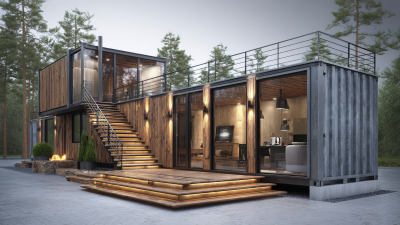
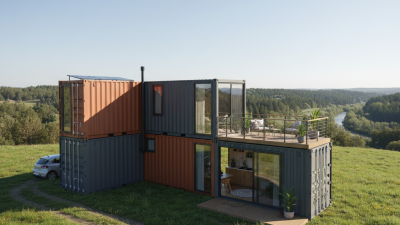
Designing a container home requires creativity. They can be stacked and combined in various configurations, offering flexibility in living spaces.
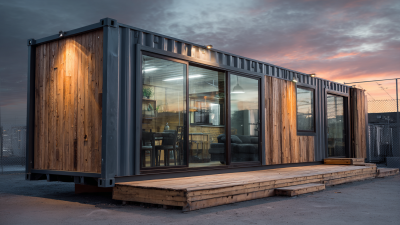
Many designs include large windows for natural light. Yet, it's important to remember that not every site is suitable for these structures. Some areas face
strict zoning laws or may not support the weight of a container home. As we embrace innovative designs, we must also consider these practical challenges.
Innovative Features of Container Homes Promoting Energy Efficiency
Container homes are gaining traction for their sustainable living potential. These innovative structures often utilize repurposed shipping containers, reducing waste and resource consumption. According to a report from the International Institute for Environment and Development, constructing a traditional house emits about 8,000 kilograms of CO2. In contrast, container homes can significantly lower this figure but still require careful planning.
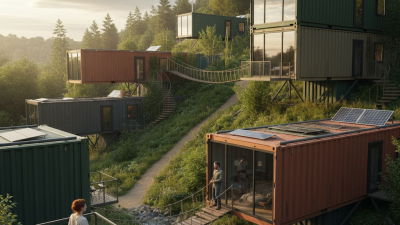
Energy efficiency is a primary focus in container home design. Many container homes incorporate solar panels, energy-efficient appliances, and superior insulation materials. A study from the U.S. Department of Energy notes that energy-efficient homes can reduce utility costs by up to 30%. However, some container designs face challenges. Insulation can be inadequate if not properly installed, leading to higher heating and cooling costs.
Natural ventilation is another key feature. Proper window placement enhances airflow and reduces reliance on mechanical systems. Yet, if not well-executed, it may result in overheating during summer months. Innovative designs often aim to balance aesthetics with functionality, but maintaining this equilibrium can be tricky. Developers must continuously assess the impact of their design choices on energy consumption and occupant comfort.
Top Container Casa Designs for Sustainable Living Solutions
Statistics on the Environmental Impact of Reusing Shipping Containers
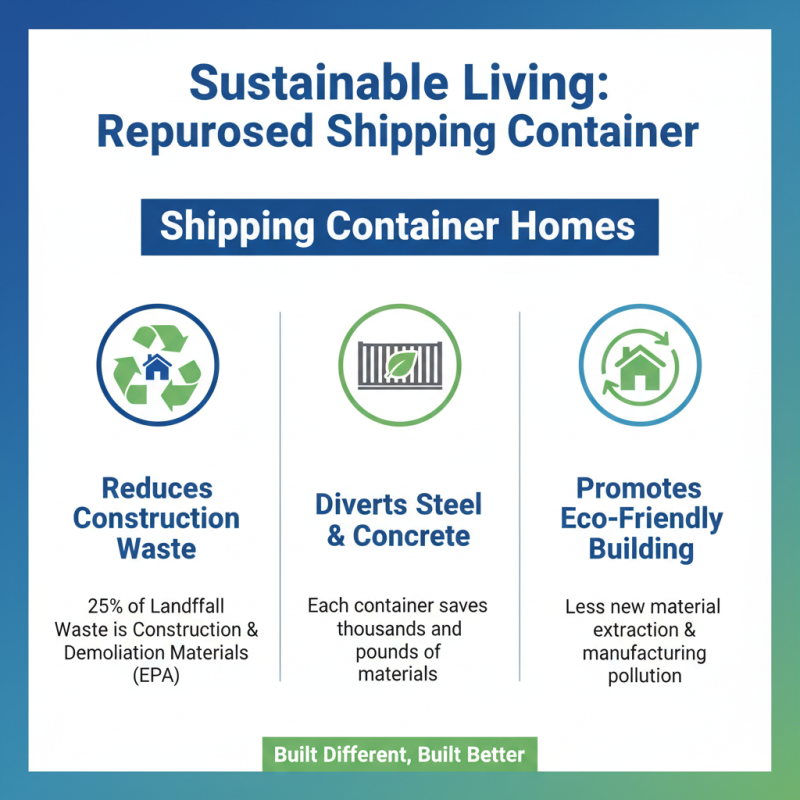
Reusing shipping containers for homes offers various environmental benefits. According to the U.S. Environmental Protection Agency, construction and demolition waste accounts for about 25% of landfill waste. By repurposing these containers, we diminish this significant waste stream. Each reused container prevents substantial steel and concrete waste, promoting a more sustainable building practice.
Moreover, a report from the International Journal of Environmental Research suggests that using shipping containers can reduce carbon footprints by up to 50%. This reduction is substantial compared to traditional building materials. A single container can save around 3,000 kilograms of carbon emissions during its life cycle. It’s clear that repurposed materials can have a positive impact on the environment.
However, not all is perfect in container housing. The initial transportation of these containers can contribute to carbon emissions. Proper insulation and ventilation are necessary to address temperature control issues. Many designs overlook these aspects, potentially creating uncomfortable living spaces. Thus, while using containers is a great step towards sustainability, we must consider these challenges carefully.
Cost-Effectiveness: Analyzing the Financial Benefits of Container Living
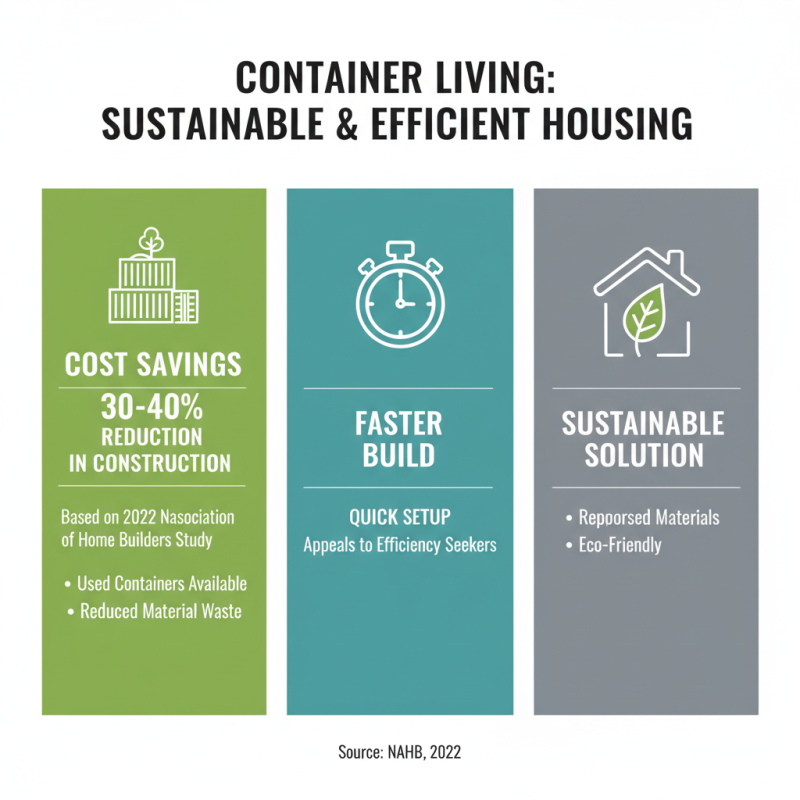
Container living is gaining traction as a sustainable housing solution. According to a 2022 study by the National Association of Home Builders, building with shipping containers can cut construction costs by 30-40%. These cost savings arise from the availability of used containers and reduced material waste. Additionally, container homes can be built faster than traditional homes. Quick setup is appealing for those seeking efficiency.
Financing options for container homes are also becoming more favorable. A report from the Container Home Institute suggests that many lenders recognize the potential of these units. As a result, they are offering competitive mortgage rates specifically for container properties. This trend could help many individuals who might struggle with high traditional home prices. With the median U.S. home price surpassing $400,000, more people are seeking alternatives.
Yet, it's essential to consider the challenges. Depending on the location, zoning laws might limit container home installations. Insufficient insulation could lead to uncomfortable living conditions in extreme climates. Moreover, some buyers may hesitate due to the container aesthetic, viewing it as untraditional. These factors emphasize the need for proper planning. A thorough analysis ensures that a container home meets both financial and lifestyle needs.
Popular Container Home Designs that Maximize Space and Comfort
Container homes are gaining popularity as sustainable living solutions. These homes create innovative spaces that are both functional and comfortable. According to the American Institute of Architects, container homes can be built for about 30% less than traditional houses. They also utilize recycled materials, significantly reducing environmental impact.
Maximizing space in container homes is crucial. Many designs focus on multi-functional furniture. For example, a sofa can convert into a bed. This adaptability is essential for smaller living areas. However, not every design achieves this balance effectively. Some spaces may feel cramped, lacking proper ventilation and natural light.
Big data shows that efficient layout planning can improve livability by 40%. Yet, many designs overlook essential aspects. Limited space can lead to a hurried and cluttered lifestyle. It's vital to rethink layouts continually. Creating a comfortable and efficient container home is a work in progress. Detail-oriented planning is necessary to ensure that each element serves a purpose without overwhelming the space.
Conclusion
The article "Top Container Casa Designs for Sustainable Living Solutions" explores the innovative and eco-friendly aspects of container homes, also known as Container Casa. These designs are not only aesthetically pleasing but also promote energy efficiency through various features such as solar panels and insulated walls. The environmental benefits are significant, as reusing shipping containers reduces waste and lowers carbon footprints.
The article further delves into the financial advantages of Container Casa living, demonstrating how it can be a cost-effective solution for housing. Some popular designs maximize both space and comfort, making them practical choices for modern living. Case studies of successful container home communities worldwide highlight the growing trend and potential of these sustainable living solutions, emphasizing their role in addressing housing shortages and environmental concerns.