The Ultimate Guide to Building a Single Container House on a Budget
Building a home doesn't have to be an expensive endeavor, especially when you consider the advantages of a Single Container House. These innovative dwellings, constructed from repurposed shipping containers, offer a budget-friendly alternative to traditional housing. With the rise of sustainable living and minimalism, many individuals are turning to container homes as a practical solution that combines affordability with contemporary design.
In this ultimate guide, we'll explore the key elements of creating a Single Container House on a budget. From sourcing materials and planning your layout to maximizing space and incorporating energy-efficient features, this guide will equip you with the knowledge you need to embark on your container home journey. Whether you're looking for a cozy retreat, a guest house, or a permanent residence, the versatility of container homes makes them an increasingly popular choice for those seeking to create their own unique living space without breaking the bank. Join us as we delve into the essential steps and considerations for building your dream Single Container House.
Understanding Container Houses: Basics and Benefits
Container houses have gained popularity as a sustainable and cost-effective housing solution. Understanding the basics of container houses is essential for anyone considering this unique building approach. Essentially, a container house is constructed from repurposed shipping containers, which provide a strong and durable structure. This method not only utilizes existing materials, reducing waste, but also offers flexibility in design and layout, allowing homeowners to create a personalized living space.
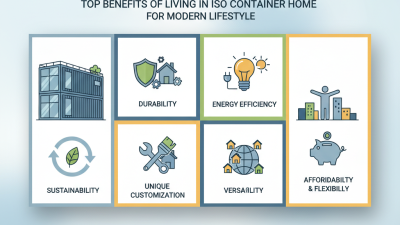
One of the primary benefits of container houses is their affordability. Since shipping containers can often be purchased at a fraction of the cost of traditional building materials, significant savings can be achieved. Additionally, container houses can be erected quickly, minimizing labor costs and time spent on construction. For those looking to build on a budget, opting for a simpler design and focusing on essential utilities can further reduce expenses.
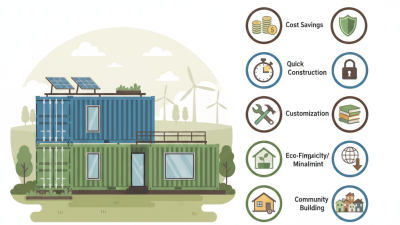
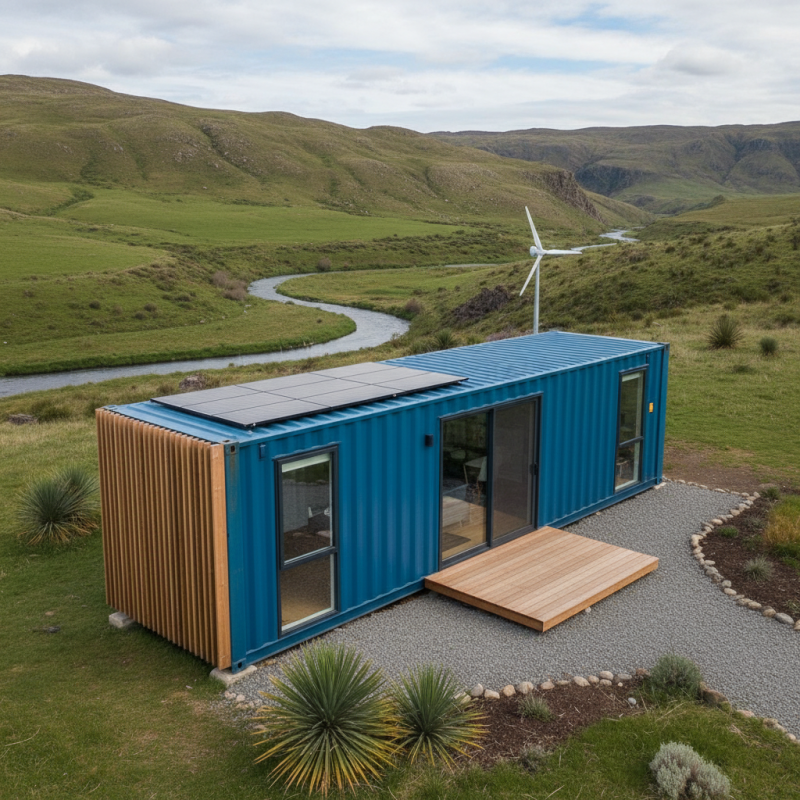
Tip: When planning your container home, consider incorporating energy-efficient features like solar panels or rainwater harvesting systems. These not only lower your utility bills but also enhance the sustainability of your home. Additionally, proper insulation is crucial; investing in high-quality insulation can help maintain comfortable indoor temperatures while saving on heating and cooling costs.
The Ultimate Guide to Building a Single Container House on a Budget
| Aspect |
Details |
| Cost of Container |
$1,500 - $4,000 |
| Average Size |
20 ft x 8 ft (160 sq ft) |
| Foundation Type |
Concrete piers or slab |
| Insulation Material |
Spray foam or rigid board |
| Utilities Cost |
$2,000 - $5,000 (water, electricity, sewage) |
| Permits Required |
Building and zoning permits |
| Estimated Time to Build |
2 - 6 months |
| Environmental Benefit |
Recycling unused shipping containers |
Choosing the Right Container: Sizes and Materials
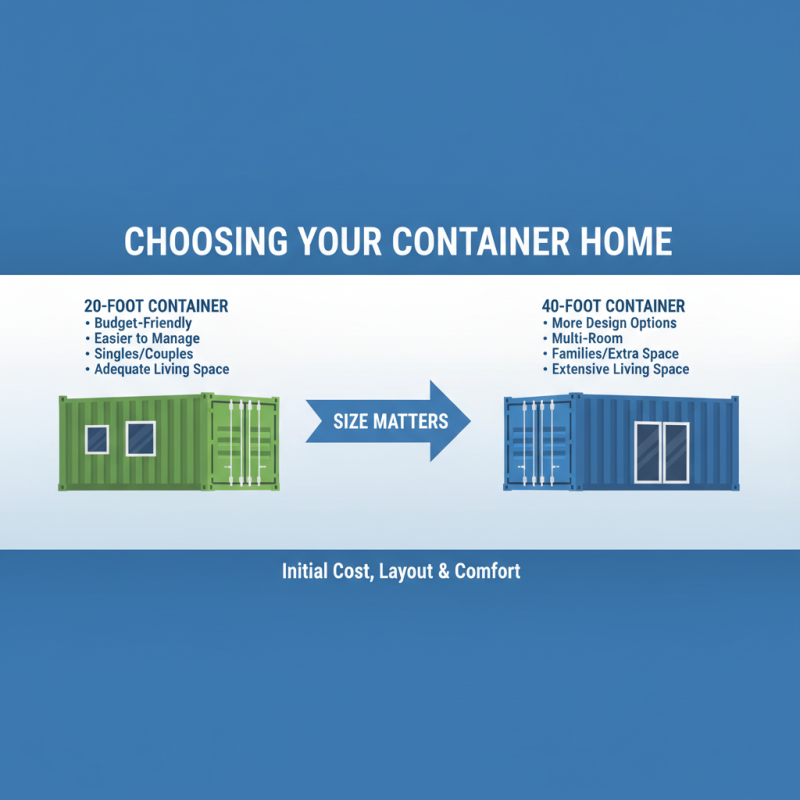
When embarking on the journey of building a single container house on a budget, one of the most crucial decisions lies in choosing the right shipping container. Containers come in various sizes, typically ranging from 20 feet to 40 feet, with the former often being more budget-friendly and easier to maneuver for small-scale projects. A 20-foot container can provide adequate living space for singles or couples, while a 40-foot container allows for more extensive designs and multi-room configurations, making it ideal for families or those needing extra space. The size you choose will significantly impact not only your initial costs but also the layout possibilities and overall comfort of your living space.
In addition to size, the type of material used in the container's construction is vital for ensuring durability and sustainability. Most containers are made of **Corten steel**, which provides excellent resistance against harsh weather and corrosion. While the standard corrugated containers are the most commonly available, there are also insulated containers that can help maintain a comfortable temperature inside, potentially saving on heating and cooling costs. When selecting a container, consider the condition as well—opt for units that are structurally sound and free from rust or damage. Investing time in finding the right container will pay off in the long run, enhancing both the livability and longevity of your container house.
Essential Tools and Materials for Your Project
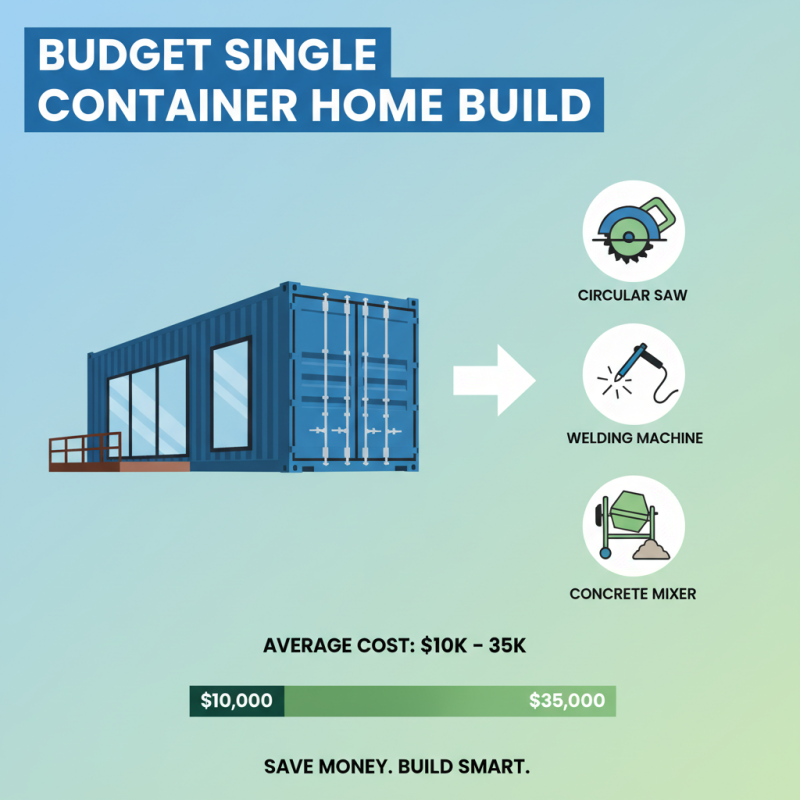
When embarking on the journey of building a single container house on a budget, knowing the essential tools and materials is crucial to both managing costs and ensuring a successful project. Research indicates that the average cost of constructing a container home can range from $10,000 to $35,000, depending on factors like location, size, and the complexity of the design. To keep expenses manageable, prioritize quality tools such as a circular saw, welding machine, and concrete mixer; these are fundamental for cutting, joining, and preparing materials effectively.
Additionally, selecting the right materials can significantly affect the overall budget. High-quality insulation, for example, is critical in maintaining temperature control and minimizing energy expenses. Industry reports suggest that investing in good insulation can reduce heating and cooling costs by up to 30%. When sourcing materials, consider using reclaimed or recycled options to further cut costs and promote sustainability.
Tips: Start with a well-structured plan and a basic materials list that includes shipping container, insulation, siding, windows, roofing, and flooring materials. Buying these materials in bulk or shopping during sales can also yield substantial savings. Finally, don't overlook the importance of safety gear; investing in protective equipment ensures that you can work efficiently without the risk of injury, ultimately saving you money on potential medical expenses.
Step-by-Step Construction Process for Your Container Home
Building a single container house on a budget can be an exciting yet challenging endeavor. The construction process begins with careful planning. Start by selecting an appropriate shipping container based on size and condition. Assess your budget and ensure you have a clear plan for design and layout. This includes deciding on the number of rooms, insulation, windows, and doors. Engaging with professionals can help, but do-it-yourself approaches can significantly cut costs.
Once your planning phase is complete, it’s time to prepare the site. This involves clearing the land, leveling the ground, and laying a solid foundation, which can be made from concrete piers, a slab, or a wooden platform, depending on your environmental conditions. After the foundation is set, position the container on top and secure it properly. Next, focus on cutting out spaces for windows and doors, making sure to follow safety protocols. Insulating and finishing the interior will come next, where choices of materials can heavily influence the final cost. Don’t forget to consider water, electrical, and HVAC systems early in the process, as these are crucial for making your container home comfortable and functional.
Cost Breakdown for Building a Container Home
Budgeting Tips and Cost-Saving Strategies for Building on a Budget
When considering building a single container house on a budget, effective budgeting and cost-saving strategies are essential. According to a 2023 report by the Container Housing Industry Association, the average cost of building a container home can range from $10,000 to $35,000, depending on the complexity and location. To stay within a tight budget, it's crucial to prioritize your expenses and focus on essential features without sacrificing quality.
**Tip:** One effective approach is to plan your layout carefully. A smaller, well-designed space can reduce material costs significantly. Consider open floor plans which minimize divisions and maximize space utilization. Additionally, opting for a DIY approach on the interior finishes can cut labor costs.
Another key aspect of budgeting is sourcing materials wisely. Studies show that repurposing reclaimed materials may lower costs by approximately 30%. Lumber, fixtures, and appliances can often be found at lower prices when purchased second-hand or from surplus stores.
**Tip:** Don’t forget to calculate additional costs such as permits and site preparation. Building on flat land can save money on groundwork, while proper budgeting for utilities will ensure you don’t face unexpected expenses. By planning ahead and being resourceful, you can create a beautiful and functional container home without breaking the bank.