How to Use Flat Pack Containers for Efficient Storage Solutions?
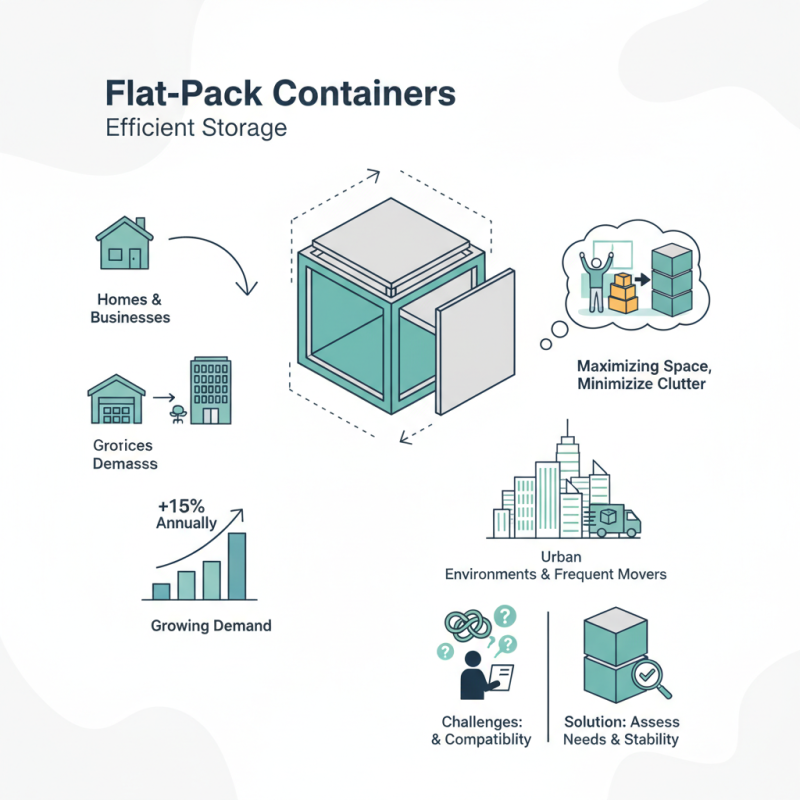
In today's fast-paced world, efficient storage solutions are essential for both homes and businesses. Flat Pack Containers have gained traction for their versatility and space-saving capabilities. According to a recent industry report by Market Research Future, the demand for flat pack solutions is expected to grow by over 15% annually.
Andrew Thompson, an expert in modular storage solutions, notes, "Flat Pack Containers provide a practical approach to maximizing space while minimizing clutter." These containers are particularly effective in urban environments where space is at a premium. They can easily be disassembled and reassembled, making them a favorite among frequent movers and those with changing storage needs.
However, challenges remain. Users often struggle with assembly instructions and compatibility issues. Not all flat pack designs offer the best stability. It's crucial for consumers to assess their specific needs before choosing a solution. The right Flat Pack Containers can lead to a more organized and efficient living or working environment.
Understanding Flat Pack Containers and Their Benefits
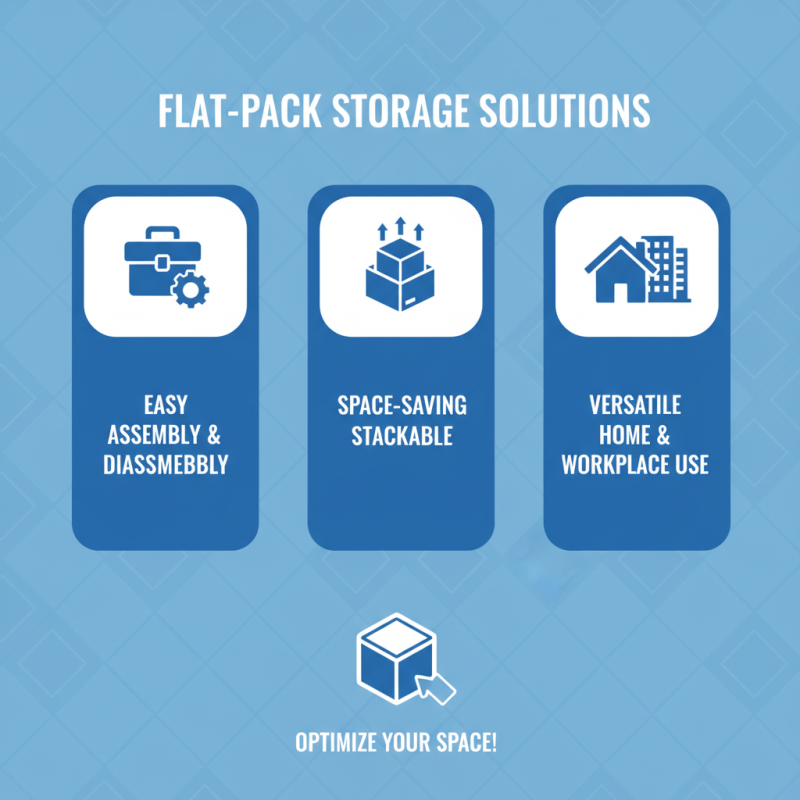
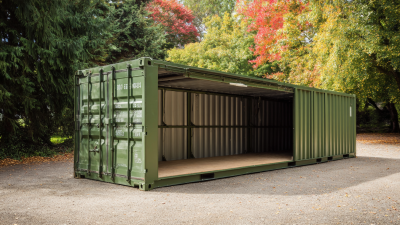
Flat pack containers are an innovative solution for effective storage. They can be easily assembled and disassembled, providing flexibility in usage. These containers save space, especially when not in use. Their design allows for stacking and optimizing vertical spaces. Perfect for homes or workplaces, they adjust to various needs.
When utilizing flat pack containers, focus on organization. Consider categorizing items based on frequency of use. Keep seasonal goods separate from daily essentials. Label each container clearly for easy access. This avoids confusion and lost time searching.
Here are some tips to enhance your storage efficiency. Choose containers with sturdy materials to ensure durability. If possible, select containers with transparent designs. This allows you to see contents without opening every box. Regularly assess the items stored inside to avoid clutter buildup. Letting go of unneeded items creates more space.
Determining the Right Size and Type of Flat Pack Container
When it comes to using flat pack containers, choosing the right size and type is key. These containers come in various dimensions, so knowing your storage needs helps you decide.
Measure your available space before purchasing.
This will prevent you from buying containers that are too big or too small. A well-fitted container maximizes your storage efficiency.
Tips: Think about your items. Are they bulky or small? For larger items, choose containers with more depth. For small items, compact containers save space.
Consider material types as well. Plastic containers are lightweight and durable. Cardboard options are often cheaper but may not be long-lasting.
Some containers stack well while others don't. Test stacking to see what works.
Tips: Always account for weight limits. Overloading a container can lead to breakage. If you’re unsure about a container's capacity, it’s best to choose a larger size.
Remember, a cluttered space can hinder productivity. It’s essential to reflect on your choices and adjust when necessary.
Organizing Items for Maximum Space Utilization
Efficient storage solutions can transform cluttered spaces into organized havens. Flat pack containers are a versatile choice for maximizing your storage potential.
Begin by categorizing your items. Group similar items together, like seasonal clothing or office supplies, to simplify organization.
Once categorized, assess the size of your items. Choose containers that fit well. Overstuffing containers can lead to frustration later. It might feel tempting to cram everything into one box, but this often results in easily forgotten items.
Consider using clear containers for visibility. This allows you to quickly locate what you need.
Label each container to enhance your organization system. A simple label can save time and reduce stress. Remember, your storage solution should adapt as your needs change. Regularly revisit and reassess how your items are stored. It’s okay if it’s not perfect. Imperfection allows room for improvement and creativity in organizing your space.
Best Practices for Assembling and Disassembling Containers
Assembling flat pack containers can be straightforward, but there are common pitfalls. Start by laying out all pieces. Check for missing components first. This ensures you don’t waste time later in assembly.
When joining parts, align edges carefully. Use your hands, not tools, to avoid damage. Some connectors may feel too tight. Don’t force them. Instead, double-check their orientation.
Tips: Always read instructions thoroughly. Spend a few minutes to understand each step. It saves you frustration. A level surface is essential when stacking containers, too. It prevents wobbling.
Disassembling containers can also be tricky. Focus on one section at a time. Gently tap joints to loosen. Rushing can lead to scratches or broken pieces. Keep a bag for screws and connectors. Without it, you might misplace important parts.
Remember to clean containers after use. Dust and debris can accumulate, especially in tight corners. This habit reduces future maintenance efforts.
Overall, the ease of using flat pack containers relies on careful assembly and disassembly. Small mistakes can lead to larger issues down the road. Reflecting on your approach improves efficiency.
How to Use Flat Pack Containers for Efficient Storage Solutions? - Best Practices for Assembling and Disassembling Containers
| Aspect |
Best Practice |
Tips |
| Container Size |
Choose the right size based on your needs |
Consider the items' dimensions |
| Assembly Location |
Assemble in a clean, dry area |
Avoid windy areas to prevent parts from blowing away |
| Use Tools |
Utilize manual or power tools when necessary |
Ensure proper tool handling to avoid injuries |
| Labeling |
Label containers for better organization |
Use waterproof markers or labels |
| Disassembly |
Follow the reverse order of assembly |
Keep track of screws and small parts |
Maintenance Tips for Longevity of Flat Pack Storage Solutions
Maintaining flat pack containers for long-term use is essential. Regular inspections can help identify weak points early. Check for any damage or wear and tear. Small cracks can lead to bigger problems if ignored.
Cleaning is another crucial step. Dust and dirt can accumulate, affecting the appearance and usability. Use mild detergents and soft cloths. Avoid harsh chemicals that can degrade materials over time. Pay attention to hinges and joints; they often need a little extra care.
Storage conditions also play a role in durability. Keep containers in a dry, cool area. Excessive heat or moisture can warp the structure. Observe how weight is distributed within the container. Overloading can compromise stability, leading to breakdowns. Take time to reassess your storage methods regularly. Adjusting based on use can extend their life.
Storage Efficiency of Flat Pack Containers
This bar chart illustrates the key dimensions related to the efficiency of flat pack containers in storage solutions. The data points reflect their maximum capacity in liters, usability rated on a scale of 1 to 10, and cost-effectiveness measured in dollars.