2026 Top Iso Container House Trends You Should Know?
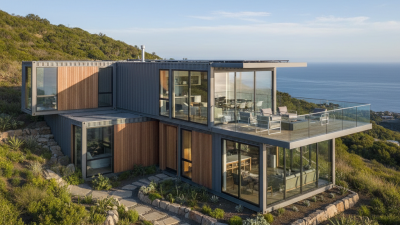
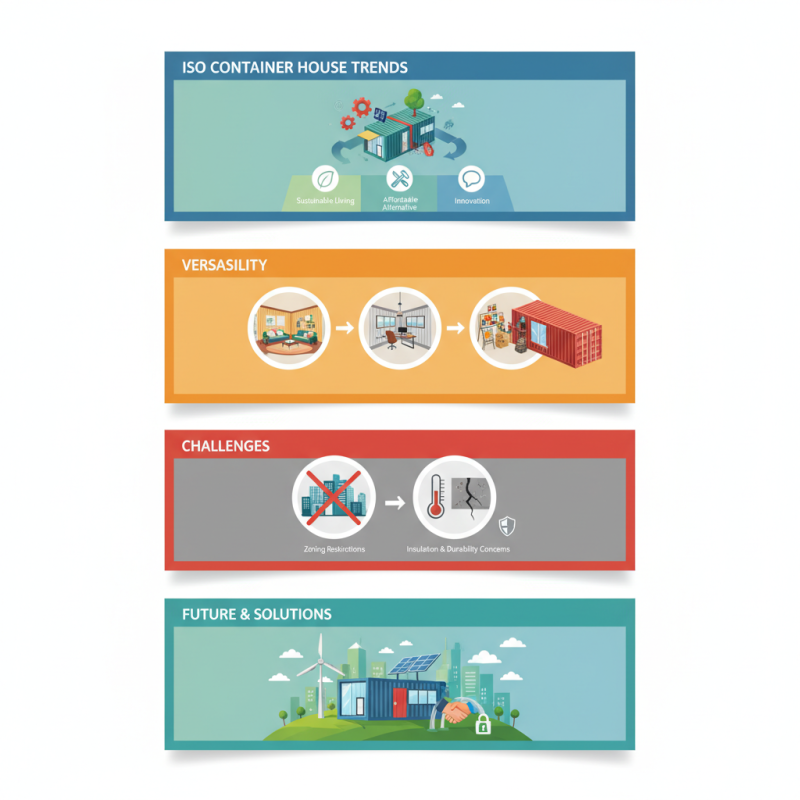
As the world seeks sustainable living solutions, the Iso Container House trend is rapidly growing. Experts like Dr. Rachel Thomas, an architect specializing in container architecture, highlight its importance by stating, "Iso Container Houses embody innovation in sustainable living." With unique designs and eco-friendly materials, these homes offer an affordable alternative to traditional housing.
The appeal of Iso Container Houses lies in their versatility. They can serve as cozy homes, vibrant offices, or creative spaces. Many people are rethinking their living arrangements. Container homes can be assembled quickly, making them an attractive option for those in need of housing. The customization possibilities are endless, allowing homeowners to express their individual tastes.
However, the trend isn't without challenges. Some builders face zoning restrictions, and potential buyers may have concerns about insulation and durability. It's crucial to weigh these factors when considering investing in an Iso Container House. The future of sustainable living may depend on overcoming these obstacles and embracing innovative solutions.
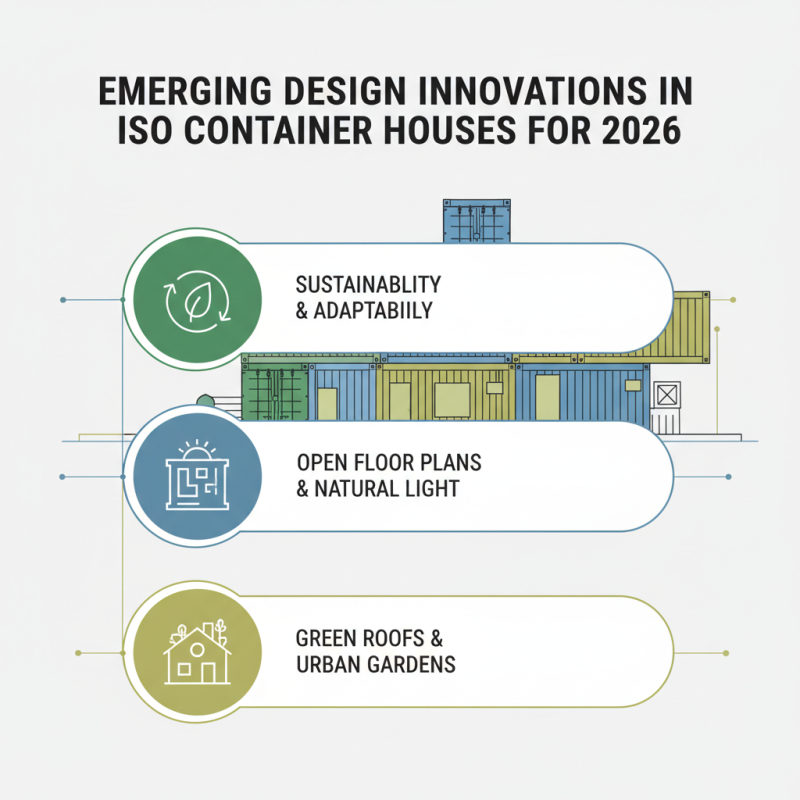
Emerging Design Innovations in Iso Container Houses for 2026
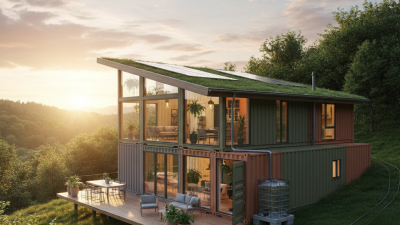
The year 2026 is set to bring innovative designs to iso container houses. Architects are rethinking space usage, focusing on sustainability and adaptability. Open floor plans will maximize natural light, creating a warm atmosphere. Integrating green roofs not only provides insulation but also allows for urban gardens.
Modular designs are crucial. They enable easy expansion or downsizing based on the owner’s needs. Innovative insulation materials will improve energy efficiency. People might question traditional heating methods. Instead, smart home technologies will offer better climate control and convenience.
Despite these advancements, some challenges remain. Buyers may struggle with the initial investment. Local regulations can complicate the building process. Improvements in construction techniques can help, but are they enough? These factors require careful consideration as designs evolve.
Sustainable Materials and Practices in Container Home Construction
Sustainable materials are essential in container home construction. Builders focus on eco-friendly options to minimize environmental impact. Reclaimed wood, recycled metal, and low-VOC paints are popular choices. Each material has its own unique appeal and benefits, contributing to a healthier living space.
Using these materials requires careful selection. Not all recycled products are of the same quality. It's vital to research suppliers and ensure that chosen materials meet safety standards. Some might find it challenging to balance sustainability with aesthetics. However, innovative designs can harmonize both aspects, creating visually appealing homes that are also eco-conscious.
Practices in construction also play a key role. Many builders adopt modular techniques to reduce waste. Prefabricated sections cut down on site waste and speed up the building process. Yet, not all builders implement these methods successfully. There is always room for improvement in efficiency and material use. Emphasizing education and awareness is crucial in moving towards a sustainable future in container home construction.
Smart Technology Integration in Iso Container Living Spaces
The integration of smart technology in iso container living spaces is transforming modern homes. Smart features enhance comfort, security, and energy efficiency. Automated systems control lighting, heating, and security with ease. Residents can monitor their homes from their smartphones. Energy management tools help reduce consumption, an important factor in sustainable living.
However, relying on technology can lead to challenges. Systems may malfunction or become outdated quickly. Residents might feel overwhelmed with complex interfaces. It’s crucial to balance convenience with practicality. A straightforward smart home setup can offer tech benefits without frustration.
Innovative solutions are popping up in the iso container design world. Smart sensors alert residents to temperature changes or water leakage. Motion-activated lighting adds convenience during late-night hours. Nonetheless, affordability can become an issue. Upfront costs may limit access to these advancements. Careful planning and budgeting are essential for those interested in smart iso container living.
Trends in Modular Container Home Layouts and Configurations
As the modular housing industry evolves, container home layouts and configurations are seeing innovative trends. According to a report by Statista, the modular housing market is projected to grow to $157 billion by 2026. This surge indicates a clear demand for flexible, efficient living spaces.
One emerging trend is the combination of multiple ISO containers to create spacious layouts. Architectural designs now favor open floor plans that maximize natural light. Many designs feature large windows and sliding doors, enhancing the connection between indoors and outdoors. For instance, using multiple containers side by side can allow for lush interior gardens or expansive decks.
Another trend is the customization of container homes. Homeowners often express a desire for unique spaces tailored to individual needs. Data from the Modular Home Builders Association suggests that nearly 40% of homeowners want personalized configurations. However, challenges remain in terms of insulation and energy efficiency. Builders must carefully consider heating and cooling options to ensure comfort year-round. This customization requires collaboration between clients and architects to create efficient, livable designs.
Urban and Rural Adaptations of Container Housing Concepts for 2026
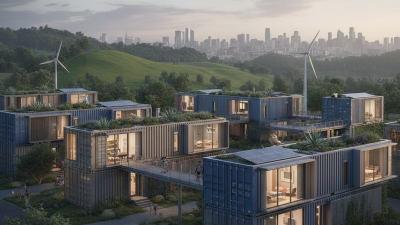
In 2026, the container housing market sees significant growth in both urban and rural settings. The global market is expected to reach $73 billion by 2027, reflecting a 7% annual growth rate. This rise is fueled by the need for affordable housing solutions. Urban environments demand innovative designs that blend with existing infrastructure. Modular units allow for quick assembly, making them ideal for city landscapes.
Rural areas benefit from container homes’ sustainability and mobility. Their environmental impact is minimal; they can be set up in remote locations without extensive land development. According to recent studies, over 60% of consumers prioritize eco-friendly living spaces. However, challenges remain. Local zoning laws can hinder container home projects, creating obstacles for implementation. Additionally, not all communities are open to these unconventional structures.
Experiments with mixed-use developments show promise. Some regions are integrating container housing into community hubs, promoting social interaction. Yet, the perception of container homes still needs to change. Potential homeowners often worry about aesthetics and durability. Addressing these concerns requires collaboration between architects and local governments. Container homes can be trendy, but they also need to blend function with style.