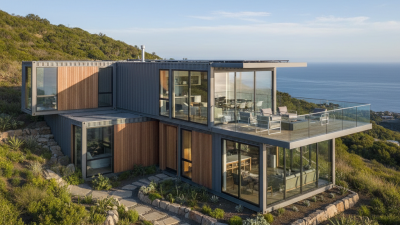
Top 10 Container House Ready Designs for Sustainable Living?
The trend of sustainable living has surged, with innovative designs driving interest in eco-friendly solutions. According to a 2022 report by the Global Sustainable Housing Initiative, container homes are redefining modern living. These structures, often called "Container House Ready," offer unique benefits, including affordability and energy efficiency. The report highlights that transforming shipping containers into homes can reduce construction waste by up to 90%.
Many professionals advocate this approach for its minimal environmental impact. A 2023 study revealed that over 70% of potential homeowners are considering container homes as a viable alternative. However, challenges persist. Insulation and ventilation remain common concerns for owners. Proper expertise is crucial to address these issues effectively.
While container homes present an exciting opportunity for sustainable living, careful planning is essential. Collaborating with experienced architects can enhance design effectiveness. As we explore the top 10 container house ready designs, we must acknowledge both their potential and limitations. Understanding these aspects ensures that the shift toward sustainable living is both practical and beneficial.
Top 10 Container House Designs for Sustainable Living
Container houses are gaining popularity in the realm of sustainable living. These designs are not only eco-friendly but also innovative. They offer a way to repurpose old shipping containers into livable spaces. However, the best designs must consider functionality and .
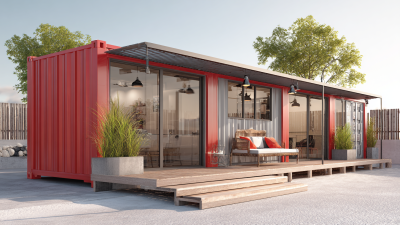
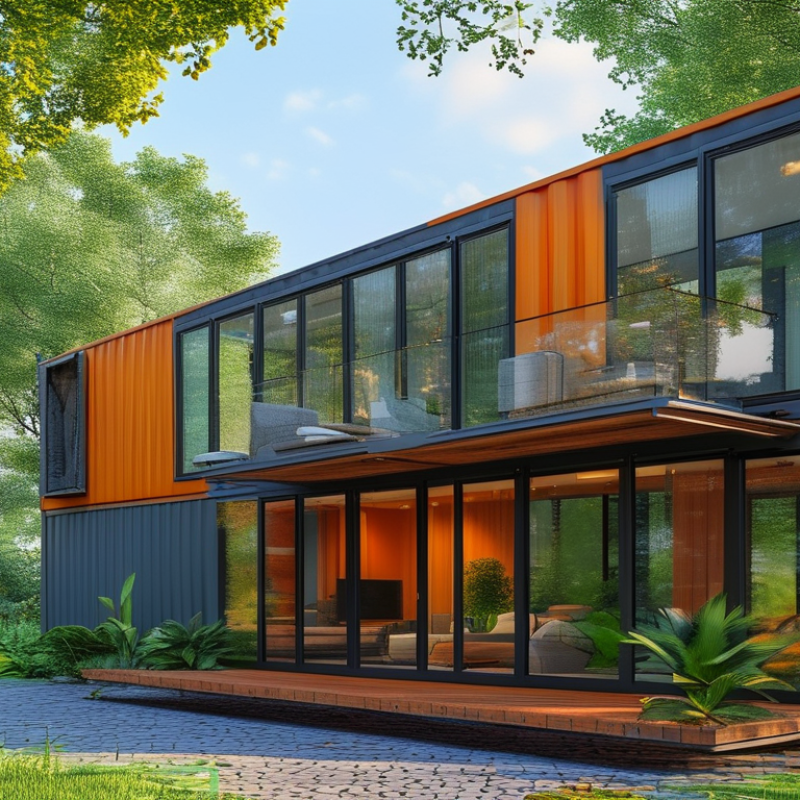
One notable option features large windows for natural light. This design promotes energy efficiency by reducing the need for artificial lighting. Additionally, adding greenery around the container can enhance air quality. Yet, it’s important to consider heat insulation, as metal containers can get hot. Blending innovative materials like recycled wood or bamboo can make a difference.
Another interesting design includes modular layouts. These allow for expansion or reconfiguration over time. This adaptability is crucial in an ever-changing world. Yet, one must thoughtfully plan space usage to avoid clutter. Sustainable living isn’t just about materials; it’s about thoughtful design that enhances daily life.
Overview of Container Houses and Their Environmental Benefits
Container houses are becoming popular for sustainable living. These innovative homes utilize repurposed shipping containers, significantly reducing waste. They offer strong environmental benefits. For example, they lower the carbon footprint compared to traditional building methods.
Building with containers requires careful planning. Insulation is vital to ensure comfort throughout the year. Pay attention to ventilation. Proper airflow prevents mold and improves indoor air quality. Also, consider using recycled materials for insulation or flooring. This enhances sustainability and showcases creativity.
Tips for container living: Focus on energy efficiency. Integrate solar panels and energy-efficient appliances. These choices minimize utility costs. Optimize the layout to use space effectively. Open designs promote natural light, making smaller spaces feel larger. Container homes can be an affordable option for eco-conscious individuals.
Embrace creativity and think outside the box to make the most of their unique structure.
Key Features of Sustainable Container House Designs
Sustainable container houses are gaining popularity due to their eco-friendly advantages. These designs incorporate repurposed shipping containers, reducing waste and energy consumption. A report from the International Energy Agency notes that using recycled materials can cut energy costs by up to 30%. This makes container homes not only sustainable but also cost-effective in the long run.
Key features of a sustainable container house design include efficient insulation, solar energy systems, and water management solutions. Proper insulation prevents heat loss, minimizing energy use. According to the U.S. Green Building Council, energy-efficient homes consume 30% less energy, leading to lower bills and reduced carbon footprints. Solar panels can drastically reduce reliance on non-renewable energy sources.
Tip: Use natural ventilation to lower energy use. Incorporating large windows and strategic openings can enhance airflow. Reflect on potential drawbacks of container homes. Some may find limited space challenging. Explore creative storage solutions to maximize your living area. Consider community resources to share materials, which enhances sustainability while building connections.
Top 10 Container House Designs for Sustainable Living
Innovative Container House Designs from Around the World
Innovative container house designs are transforming the way we think about sustainable living. Shipping containers are repurposed for homes, offering eco-friendliness and affordability. According to the National Association of Home Builders, tiny homes, including container houses, have become popular due to their reduced environmental impact and lower construction costs.
Many designs feature solar panels, green roofs, and rainwater harvesting systems. For example, container houses can reduce energy consumption by 40% when designed with passive solar features. These homes provide natural light and ventilation, enhancing the indoor environment. However, not all designs achieve these efficiencies. Poor insulation and inadequate planning can lead to discomfort and increased energy usage.
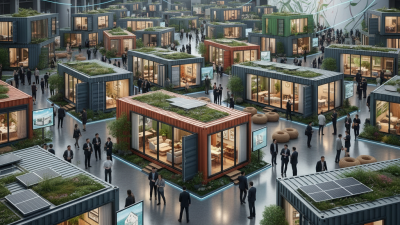
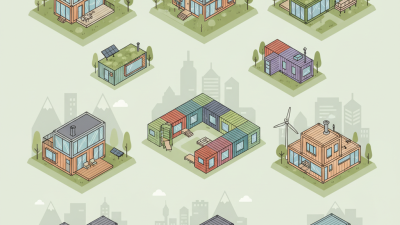
Global architects push boundaries with creative container designs. Some feature multi-container setups, while others integrate local materials and styles. Yet, not every innovation is practical. Issues like zoning laws and limited space can complicate construction. As container living gains traction, balancing innovation with functionality remains a challenge.
Tips for Selecting the Right Container House Design for You
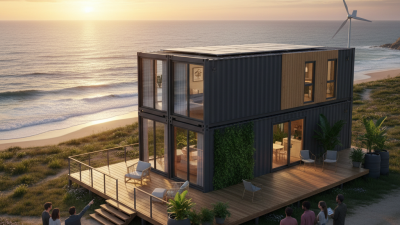
When choosing a container house design, it is crucial to consider your specific needs. Think about the number of occupants and the space required. A smaller unit supports minimalism, while larger designs cater to families. Assess your lifestyle as well. Do you enjoy indoor-outdoor living? Some designs integrate spacious decks.
Consider energy efficiency in your design selection. Look for features like solar panels, well-insulated walls, and energy-efficient windows. Such elements reduce long-term costs and help the environment. Research local building codes too. Compliance is key to avoiding future issues.
Don't rush the decision. Explore various container house designs and visualize how each fits your life. Sketch ideas to see how they flow. Consider functionality alongside aesthetic appeal. Reflect on how each choice impacts sustainability. The best design will balance personal comfort and environmental responsibility. Each container home has its pros and cons, so weigh them carefully.
Top 10 Container House Ready Designs for Sustainable Living
| Design Name |
Size (Sq. Ft) |
Number of Bedrooms |
Energy Efficiency Rating |
Approx. Cost ($) |
| The Eco Retreat |
400 |
1 |
A++ |
30,000 |
| Modern Nomad |
500 |
2 |
A+ |
45,000 |
| Compact Retreat |
300 |
1 |
A |
25,000 |
| Family Haven |
700 |
3 |
A++ |
70,000 |
| Minimalist Cube |
350 |
1 |
B |
20,000 |
| The Oasis |
600 |
2 |
A+ |
50,000 |
| Nature's Comfort |
500 |
2 |
A++ |
48,000 |
| Urban Loft |
750 |
3 |
A+ |
85,000 |
| The Green Capsule |
400 |
1 |
A+ |
33,000 |
| Coastal Escape |
800 |
4 |
A++ |
100,000 |
Conclusion
Container houses are becoming a popular choice for sustainable living, offering innovative designs that blend eco-friendliness with modern aesthetics. The article outlines the top 10 Container House Ready designs, highlighting their environmental benefits, such as reduced carbon footprint and efficient use of resources. Key features of these sustainable container houses include energy-efficient systems, reclaimed materials, and adaptable layouts that cater to varied lifestyle needs.
Furthermore, the piece showcases innovative container house designs from around the world, emphasizing the creativity involved in utilizing shipping containers for residential purposes. For those considering this lifestyle, tips on selecting the perfect container house design are provided, ensuring individual preferences and sustainability goals align. Lastly, the article discusses future trends in container house architecture, pointing towards an increasing focus on sustainability and innovative building techniques.