How to Get a Container House Ready for Global Buyers?
In today's global marketplace, making your container house ready for international buyers is crucial. A well-prepared container house stands out. It attracts buyers looking for unique living options. However, preparing involves more than just aesthetics. It requires understanding buyer expectations and market trends.
To truly make your container house ready, consider functional design and sustainable materials. Buyers appreciate energy-efficient features and modern finishes. Beyond specifications, focus on the storytelling aspect. What makes your container house unique? Address potential concerns, such as space and ventilation. Engage your audience by sharing authentic experiences and challenges faced during preparation.
Despite these strategies, some may overlook local regulations or miss marketing opportunities. A candid reflection is necessary. How do your offerings compare to others? Adjusting your approach based on feedback can enhance your readiness. Being transparent about challenges adds a layer of authenticity. Ultimately, the goal is to ensure your container house ready resonates with global audiences.

Understanding the Global Container Home Market Trends and Demands
As the global demand for eco-friendly housing rises, the container home market presents unique trends. Buyers now seek stylish, sustainable options that cater to various climates. This shift signals a need for adaptability in design and materials. Diverse palettes and customizable features attract potential homeowners worldwide.
Tips: Focus on materials that enhance energy efficiency. Consider insulation that aligns with different weather patterns. Understand that local tastes can significantly influence design preferences.
Many buyers prioritize mobility and affordability. Container homes should reflect a balance of function and style. Incorporate smart technology for added appeal. Often, however, there can be oversights in planning. Underestimating local building codes can lead to costly adjustments later.
Tips: Research regional regulations thoroughly. Collaborate with local experts to ensure compliance. Flexibility in design specifications can cater to various markets. Knowing when to adapt is vital in this evolving landscape.
Essential Regulations and Compliance for Selling Container Homes Abroad
When preparing a container house for an international market, understanding regulations is crucial. Each country has unique building codes and standards. These can vary significantly. Researching local laws regarding safety, energy efficiency, and structural integrity is essential. Engage local experts who are familiar with these requirements. Their insight can help avoid costly mistakes.
Compliance with shipping regulations is another vital aspect. Container homes must be transported efficiently and legally. Familiarize yourself with international shipping norms. This includes weight limits, documentation, and inspection protocols. Skipping these steps can lead to delays or fines.
Cultural considerations also play a role. Design and functionality should resonate with the target audience. This could mean adapting layouts to traditional living styles or incorporating local materials. Understanding the market can open doors. However, be ready to adjust your approach based on feedback. It's an evolving process where flexibility is key.
Designing Functional and Aesthetic Container Homes for International Buyers
When designing container homes for international buyers, functionality and aesthetics are crucial. Consider the layout carefully. Open spaces enhance flow and visual appeal. Large windows invite natural light, creating a welcoming atmosphere. Choose modular furniture that adapts to different needs. Modular designs also promote versatile living spaces.
Sustainability can be an attractive feature. Use eco-friendly materials and energy-efficient systems. Solar panels can significantly reduce energy costs. A rainwater harvesting system may also appeal to environmentally conscious buyers. However, be cautious. Not every buyer values the same features. It’s essential to understand diverse cultural preferences in design.
Pay attention to local building codes and regulations. Each country has unique guidelines that must be followed. Sometimes, this can hinder design creativity. Additionally, aesthetics can vary widely across cultures. What seems beautiful to one buyer may not resonate with another. Listening and adapting to feedback is vital for perfecting the design. This ongoing process can challenge even seasoned designers.
Marketing Strategies for Reaching Global Customers in the Container Home Sector
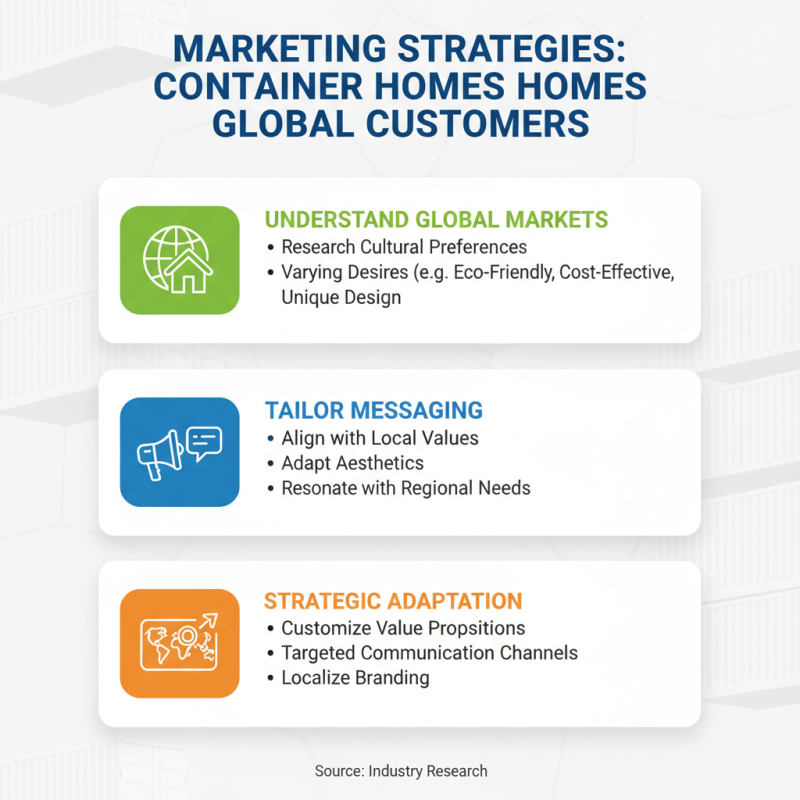
To effectively reach global customers in the container home sector, businesses must adopt strategic marketing practices. Understanding market dynamics is crucial. Research indicates that preferences vary greatly across cultures. It's vital to tailor your messaging to resonate with local values and aesthetics. For instance, some customers prioritize sustainability, while others may focus on affordability or innovative design.
Building an online presence is essential. Utilize social media to showcase your container homes. Engage potential buyers with high-quality images and videos. Visual storytelling can create a connection. However, it's not enough to simply post content. Regular interaction with followers fosters community. Responding to inquiries promptly demonstrates reliability.
Consider collaborating with influencers in the housing sector. They can amplify your reach. Yet, be careful to choose partners who align with your brand values. Authenticity matters to today's buyers. Additionally, gather and analyze feedback from previous customers. This not only builds trust but also helps refine your approach. Learning from these insights can pave the way for better marketing strategies. Each effort contributes to creating a more compelling offer for global customers.
Logistics and Shipping Considerations for Container Houses on the Global Market
Logistics and shipping are crucial for container houses targeting the global market. Recent reports indicate that the global modular construction market is projected to reach $157 billion by 2023. To thrive, sellers must navigate complexities in international shipping.
Transporting container houses involves specific dimensions and weight limits. Understanding local regulations is vital. Each country has unique laws affecting shipping containers.
Shipping costs can vary significantly. For instance, transporting a container from China to Europe can range from $1,000 to $3,000. This fluctuation impacts pricing strategies. Sellers should consider inland logistics as well. Inspecting the condition of the containers before shipping is essential. Poor quality can lead to additional expenses and customer dissatisfaction.
Consistent communication with shipping partners is key here. Delays can happen due to port congestion or customs issues. Having a buffer in timelines helps manage client expectations. Different markets may also have varying demand levels. Understanding these nuances can improve a seller’s approach. Regularly reviewing trade policies can help navigate potential obstacles. Adapting to change is essential in the global market.