Top 10 Container Home Tips for Affordable Living Solutions?
The rise of Container Homes has gained significant popularity as an affordable living solution in recent years. According to a report from the Container Housing Association, the market for shipping container homes is expected to grow by 20% annually. This trend underscores a shift towards more sustainable and innovative housing options, especially among young homeowners.
Renowned expert in eco-friendly housing, Dr. Emma Liu, states, "Container Homes not only provide cost-effectiveness but also empower communities to rethink traditional living spaces." These modular residences can be tailored to fit various lifestyles and budgets, often at a fraction of the cost of conventional homes. However, potential buyers should navigate the challenges, such as zoning laws and safety regulations, as these factors can complicate the building process.
Despite their benefits, not every Container Home is without flaws. Insulation, for example, remains a concern in extreme climates. As customers consider Container Homes, they must reflect on their long-term viability and personal needs. A Container Home can be a practical choice, but one must approach it with careful planning and consideration.

Essential Considerations for Choosing Container Homes
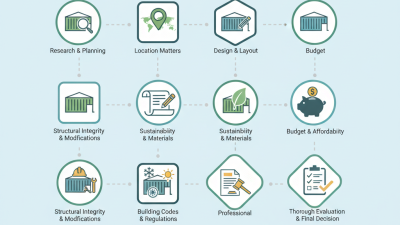
When considering container homes, several essential factors must influence your choice. First, assess the structural integrity and material quality. According to a report by the Container Home Association, 60% of container homes face issues related to insulation and moisture.
Quality containers are crucial for lifelong durability. Look for certified containers that have minimal rust or damage, impacting their overall lifespan.
Another critical aspect is location. 地理位置会直接影响容器房的稳定性和舒适度。 In areas prone to high winds or heavy snowfall, additional reinforcements are necessary. A well-constructed foundation can prevent issues. Some experts suggest that proper foundations can reduce structural problems by up to 40%.
Finally, consider local regulations and zoning laws. Many regions have strict guidelines for non-traditional housing. Failing to adhere to these may lead to costly modifications or even demolition. Research thoroughly before committing. Maintaining compliance is not just a legal necessity; it is a crucial step toward a successful living solution.
Understanding the Design Potential of Container Living Spaces
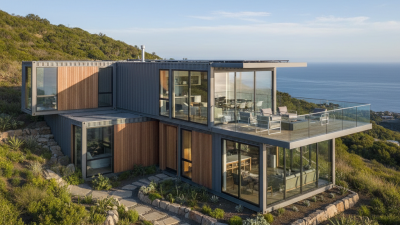
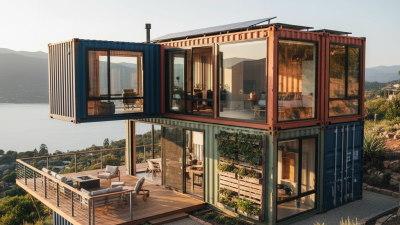
Container living spaces offer unique design potential. These homes can be customized in numerous ways. From sleek modern designs to rustic aesthetics, the options are vast. Large windows can bring in natural light, creating an open feel. You can also modify container layouts to suit your lifestyle.
Interior design is crucial in container homes. Space is often limited, so smart storage solutions are essential. Multi-functional furniture, like foldable tables or beds, can maximize available space. Color schemes play a vital role as well. Light tones can make small areas feel more expansive. Users need to be mindful of decor choices. Too much clutter can make spaces feel cramped.
The exterior is just as important. Choosing the right finish can enhance a container’s look. Corrugated metal brings an industrial vibe, while wood cladding adds warmth. Landscaping can soften the container’s edges. However, the local environment plays a role in design choices. Consider climate and weather patterns when planning. Reflect on how these factors influence your design decisions. Balancing aesthetics with functionality is key in creating a comfortable living space.
Key Upgrades to Enhance Comfort in Container Homes
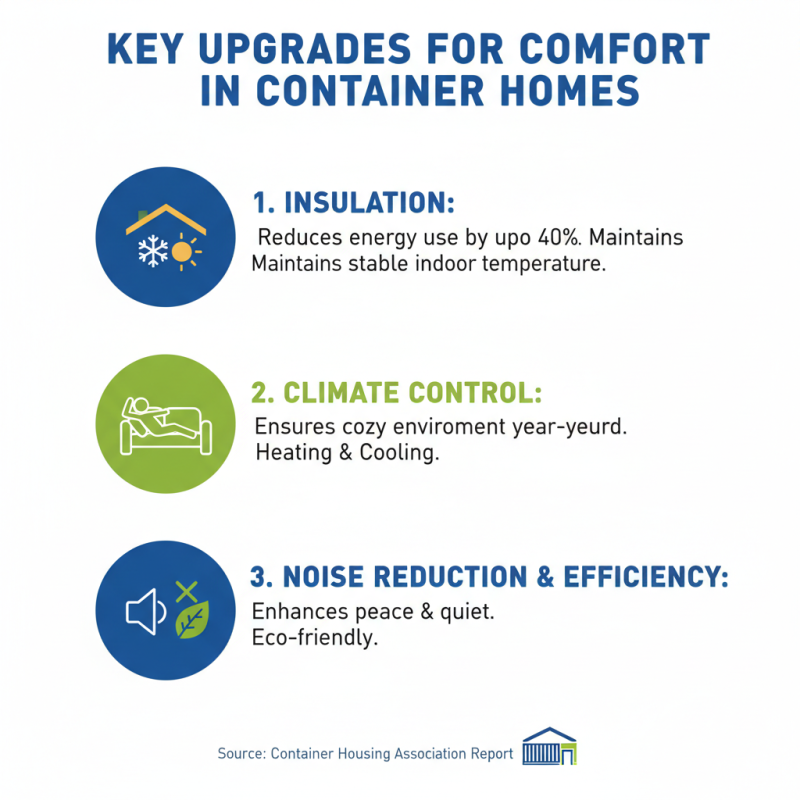
When considering upgrades for container homes, comfort should be a top priority. A report from the Container Housing Association indicates that homes designed with better insulation can reduce energy consumption by up to 40%. Proper insulation helps maintain temperature, ensuring a cozy environment throughout the year.
Incorporating large windows is another significant upgrade. Natural light can make a space feel larger and more inviting. According to a study by the National Association of Home Builders, homes with ample natural light can improve mood and enhance productivity. Additionally, smart home technologies can increase convenience. Features like programmable thermostats and automated lighting enhance the living experience while contributing to energy efficiency.
However, not every upgrade is straightforward. For instance, while adding insulation is beneficial, it can also create challenges in terms of moisture control. Errors in sealing might lead to condensation, which could cause structural issues over time. To address this, building with materials that promote ventilation is crucial. These thoughtful touches can greatly elevate comfort, proving that neglecting details can result in future complications.
Budgeting for Container Home Construction and Maintenance
Building a container home can be a cost-effective solution. However, budgeting is crucial. Start by determining your total budget before you begin. This amount will guide your design choices, materials, and labor costs. Research local building regulations. These may affect your budget or alter your plans unexpectedly.
Next, consider the hidden costs. Transportation and foundation work can add up quickly. Setting aside a contingency fund of at least 10% helps mitigate overspending. Additionally, ongoing maintenance costs should not be overlooked. Container homes, while sturdy, require care to prevent rust and insulation issues. You need to factor in expenses for repairs and upgrades over time.
Lastly, be prepared for the unexpected. Construction often reveals challenges you didn't foresee. The initial excitement can quickly turn into frustration if you lack a solid plan. Regularly re-evaluate your budget and project goals. Flexibility will help you navigate the ups and downs of creating your affordable living solution.
Sustainability Practices for Eco-Friendly Container Living
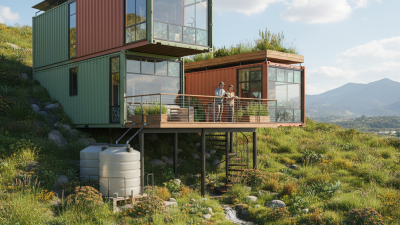
Container homes offer unique opportunities for eco-friendly living. Using steel shipping containers is a sustainable choice. These containers can be repurposed, reducing waste. Their inherent durability is a significant advantage. However, they come with challenges that require careful planning.
To enhance sustainability, consider installing solar panels. These can significantly reduce reliance on fossil fuels. Rainwater harvesting systems also support eco-friendly living. They provide a sustainable water source. Ensure proper insulation to reduce energy consumption. Moreover, using non-toxic materials during construction is vital.
Nonetheless, building a container home demands careful consideration. Local building codes may limit designs. Inspecting container conditions thoroughly is essential. Not all containers are free from rust and damage. It's vital to invest time into these details for a sustainable outcome. Developing a container home is rewarding, but it includes persistent learning and adaptation.
Top 10 Container Home Tips for Affordable Living Solutions