Top 10 Affordable Container House Ready Options for Buyers?
The appeal of container homes continues to grow. With a surge in sustainability and minimalism, many buyers eagerly seek "Container House Ready" options. Sarah Thompson, an expert in modular buildings, states, “Container homes offer an innovative solution for affordable housing.” Her insights highlight the potential of these structures.
Choosing the right container home is crucial. Many options are available, but not all are created equal. Affordability and quality must align. Buyers often feel overwhelmed by choices. They want a ready-made solution without hidden costs. Experts advise careful evaluation of materials and design before purchasing.
The journey to owning a container home involves reflection. Some may grapple with zoning laws or financing routes. Others may overlook the importance of proper insulation. These factors are vital for comfort and efficiency. A well-considered approach can lead to successful living in a "Container House Ready" environment.

Overview of Container Houses and Their Benefits
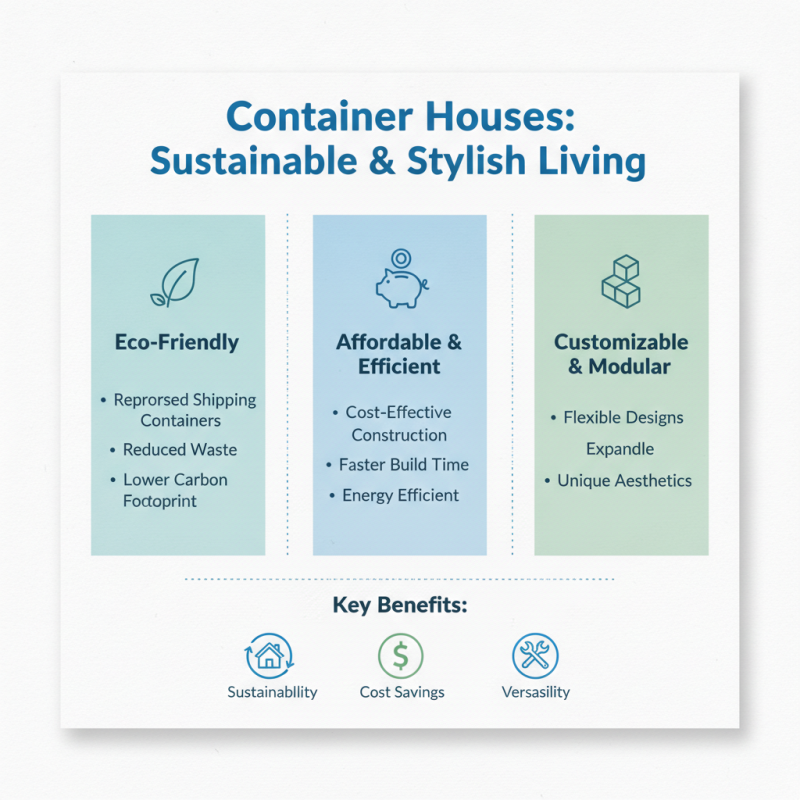
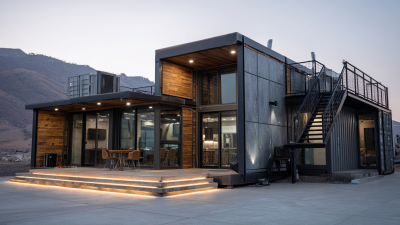
Container houses have gained popularity in recent years. They offer a unique blend of sustainability and style. These homes are made from repurposed shipping containers, making them affordable and eco-friendly. Their modular nature allows for customization, catering to various lifestyles. This flexibility opens opportunities for creativity and efficient space usage.
When considering a container house, keep the following tips in mind. Check local regulations regarding zoning and permits. Some areas have restrictions on unconventional building methods. Also, evaluate insulation options thoroughly. Container homes can become hot or cold depending on the season. Adequate insulation contributes to comfort and energy efficiency.
Another important aspect is planning for utilities. Setting up plumbing and electrical systems requires careful consideration. Seeking assistance from professionals can save future headaches. An initial assessment of costs can prevent unexpected financial burdens later. Container houses can be a great investment, yet they need thoughtful planning and execution.
Criteria for Choosing Affordable Container House Options
When considering affordable container homes, buyers must evaluate several criteria. The location plays a crucial role in cost. Prices can vary significantly based on regional demand and local zoning laws. According to a recent industry report, the average base cost of a shipping container home ranges from $10,000 to $50,000, depending on size and features. It’s vital to assess land costs in conjunction with the container's price.
Another important factor is the intended use. Will this be a permanent residence, or a temporary shelter? Knowing your purpose helps narrow down options. Additionally, energy efficiency is key. Many reports indicate that well-insulated container homes can save up to 30% in energy costs annually.
Tip: Consider purchasing a pre-owned container. It may require some renovation but can significantly reduce initial expenses.
Also, check for local permits. Some regions have strict regulations affecting installation. This aspect can lead to unexpected costs. Always align your design with local building codes to avoid headaches later on.
Tip: Consult with local experts to understand compliance requirements in your area. This can prevent costly redesigns down the line.
Examining these factors carefully will lead to informed choices, ensuring a satisfying investment in your new home. Keep an eye on
quality versus cost, as not all affordable options maintain structural integrity.
Top 10 Affordable Container House Models for Buyers
The container house trend is on the rise among home buyers seeking affordability and sustainability. According to a recent industry report by the Container Housing Institute, the global market for container homes is projected to grow by 25% between 2023 and 2028. This shift is driven by the need for cost-effective housing solutions and eco-friendly living options.
Several affordable container house models stand out in this market. The average cost of these homes can range from $10,000 to $50,000, depending on size and design. A popular choice is the 20-foot container home, which provides approximately 160 square feet of space. This compact option suits many first-time buyers. It's important to consider durability and insulation when choosing a model. Poor insulation can lead to temperature extremes, making living conditions uncomfortable.
Investing in a container home can be rewarding but also requires careful planning. Not all containers meet housing standards, which is a common oversight. Buyers might need to modify or retrofit containers for compliance with local codes. Thoughtful design can maximize small spaces, yet creativity is essential. Customizing layouts can enhance functionality, though budget constraints often limit choices. Balancing affordability with quality can lead to compromises that impact long-term satisfaction.
Top 10 Affordable Container House Models for Buyers
| Model Name |
Price (USD) |
Size (sq ft) |
Bedrooms |
Features |
| Compact Living |
$25,000 |
320 |
1 |
Eco-friendly, modular design |
| Modern Retreat |
$30,000 |
400 |
2 |
Large windows, balcony |
| Family Haven |
40,000 |
600 |
3 |
Spacious living area, garden |
| Studio Box |
$20,000 |
250 |
1 |
Compact, affordable |
| Sustainable Dwelling |
$35,000 |
500 |
2 |
Solar panels, energy-efficient |
| Minimalist Home |
$28,000 |
350 |
1 |
Natural light, open space |
| Custom Design |
$45,000 |
700 |
3 |
Tailored to buyer's specs |
| Eco Cabin |
$32,000 |
480 |
2 |
Wooden interior, secluded |
| Urban Escape |
$38,000 |
560 |
2 |
Modern style, city living |
| Retreat Haven |
$50,000 |
650 |
3 |
Private, luxurious |
Cost Considerations and Financing Options for Container Houses
Container houses offer unique living experiences at affordable prices. However, potential buyers should be aware of cost considerations. The initial price for a container home can range from $10,000 to $50,000, depending on size and condition. Additional expenses arise from land acquisition, permits, and utilities. These costs can add up quickly. It's crucial to budget wisely and conduct thorough research.
Financing options for container houses vary. Traditional mortgages may not always cover such homes. Some buyers explore personal loans or specialized financing for alternative homes. Credit unions and online lenders may offer attractive rates. Understanding your financial situation is essential. Be open to potential challenges in securing financing for non-traditional dwellings. Having a solid financial plan can alleviate stress during the purchasing process.
Top 10 Affordable Container House Options and Their Average Costs
This chart illustrates the average cost of ten different container house options available to buyers. As the data shows, costs can vary significantly, making it essential for buyers to consider their budget when exploring these affordable housing solutions.
Customer Reviews and Experiences with Container House Purchases
Container houses are gaining popularity among buyers looking for affordable and sustainable living options. Customer reviews highlight a range of experiences, both positive and negative. Many buyers appreciate the energy efficiency and modern designs. These houses often blend functionality with aesthetic appeal.
However, some customers report challenges during the purchasing process. Issues like delayed delivery and difficulties with assembly can occur. Buyers suggest being thorough in reading reviews before committing. Always ensure the company has a solid reputation.
Tips for potential buyers: Inspect container quality closely. Look for signs of rust or structural damage. It’s also wise to talk to previous customers for their insights. Additionally, consider local climate conditions, as they can impact container building suitability. Understanding these factors can lead to a more satisfying purchase experience.