Top 10 Benefits of Using Iso Container House for Your Projects?
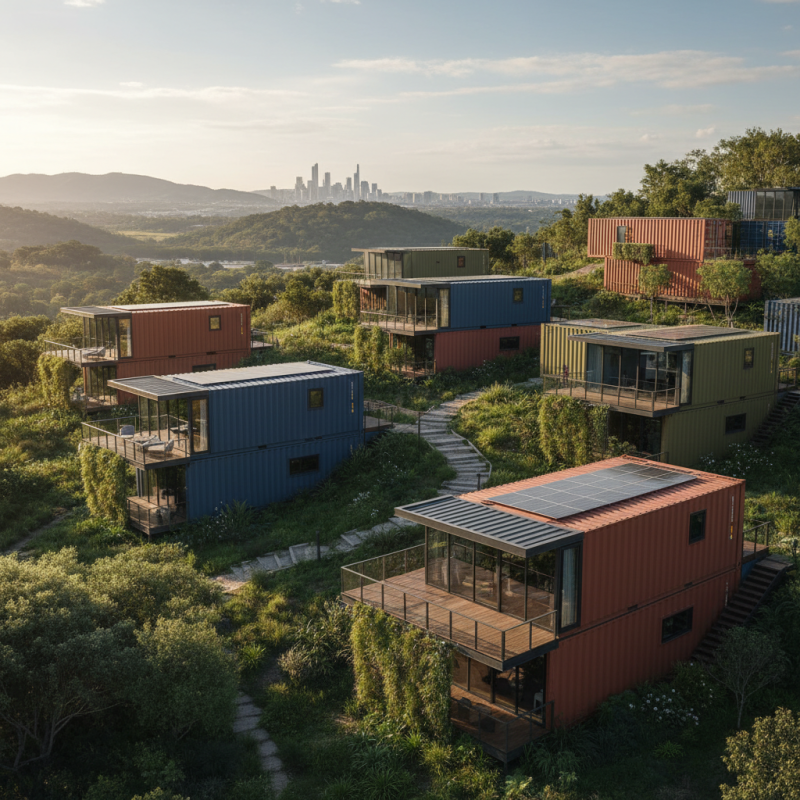
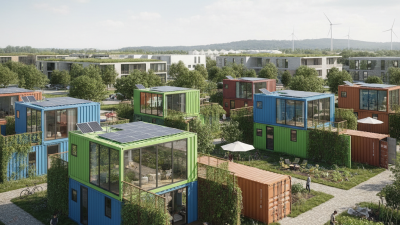
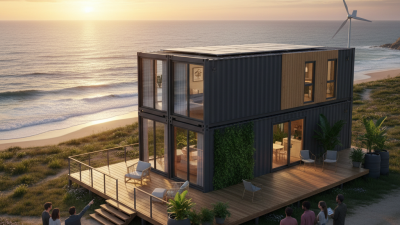
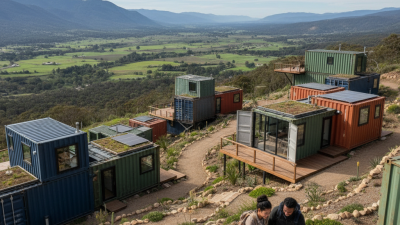
The rise of Eco Container Houses reflects a shift towards sustainable living. An Iso Container House stands out in this trend. These structures utilize repurposed shipping containers. This innovation reduces waste and promotes reusability.
Many architects and builders appreciate the versatility of Iso Container Houses. They can transform easily to fit various needs. Homeowners enjoy unique designs that challenge traditional architecture. Yet, not all projects embrace this style seamlessly. Some face zoning issues or adaptation challenges.
Despite these hurdles, Iso Container Houses offer remarkable benefits. They are cost-effective and often quicker to build. Their durability makes them suitable for various climates. This model fosters creativity while addressing housing shortages. Exploring their advantages uncovers new possibilities for future living and working spaces.
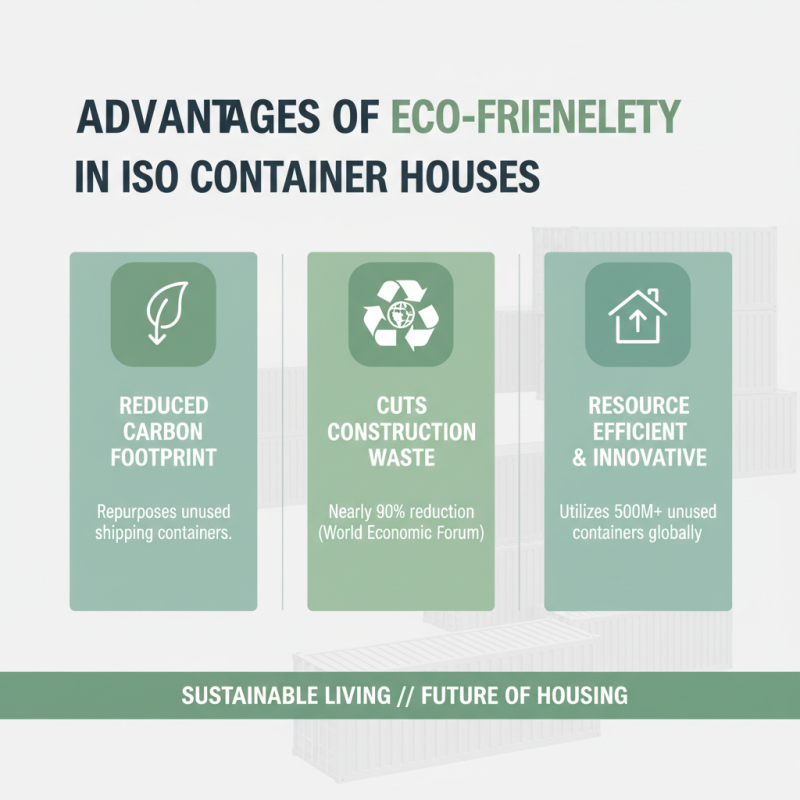
Advantages of Eco-Friendliness in Iso Container Houses
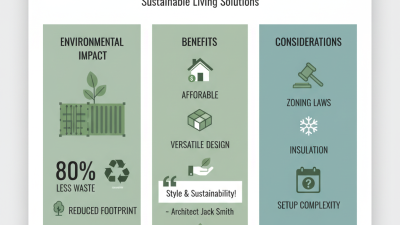
Iso container houses are gaining traction for their eco-friendly attributes. These structures significantly reduce carbon footprints. According to the World Economic Forum, repurposing shipping containers can cut construction waste by nearly 90%. This reduction is crucial as over 500 million containers are left unused globally. Turning these containers into houses is both innovative and resource-efficient.
Energy efficiency is another key benefit. Many container homes incorporate sustainable materials and technologies. For instance, solar panels can be added to offset energy use. The U.S. Department of Energy reports that energy-efficient homes can lower utility bills by up to 30%. This means savings for homeowners and a reduced environmental impact.
**Tip:** Consider integrating green roofs or walls into your container home. They enhance insulation and improve air quality.
Some challenges exist. Not all containers are suitable for housing without modifications. It's vital to choose containers that meet safety standards. Conduct proper inspections to ensure structural integrity before proceeding with any project.
**Tip:** Consult with experts who specialize in container architecture. Their experience can guide you towards the best resources and practices.
Cost-Effectiveness of Using Iso Container Houses in Construction
The cost-effectiveness of using iso container houses in construction is notable. Their modular design allows for efficient use of materials. Compared to traditional building methods, these structures can save significant labor and resource costs. Container homes significantly cut down on waste, contributing to their affordability.
Moreover, their durability means lower maintenance expenses over time. Containers are designed to withstand harsh conditions, reducing the need for frequent repairs. This long-term reliability can impress budget-conscious project managers.
Though there are limitations to consider. Modifying containers can incur unexpected expenses. Not every location is suited for container homes. Local building codes and zoning laws may impose restrictions. Thus, careful planning is essential to avoid potential pitfalls.
Durability and Strength: The Structural Benefits of Iso Container Houses
Iso container houses offer excellent durability and strength for various projects. Constructed from robust steel, they withstand harsh weather conditions. Unlike traditional structures, they resist rot and pests. This resilience makes them a wise investment for long-term use. The modular design also enables quick assembly and relocation, adding to their practical strength.
Tips for enhancing durability: Ensure proper insulation to maintain internal temperatures. Ventilation is crucial for moisture control, preventing mold growth. Regular maintenance checks for rust and structural integrity can extend the lifespan.
These containers are not infallible. They can suffer from corrosion if not treated. It’s essential to choose quality finishes and coatings to counteract this. Additionally, space limitations may pose challenges for larger projects. Planning and innovative designs can help overcome these potential shortcomings. The balance between structure and functionality is vital.
Versatility and Customizability of Iso Container House Designs
Iso container houses offer remarkable versatility and customizability. Their modular nature allows them to adapt to various project needs. Whether for residential, commercial, or temporary uses, these structures can be tailored to specific requirements.
Designs are flexible. You can choose different layouts, sizes, and finishes. Interior spaces can be modified easily, accommodating everything from open-floor plans to freestanding partitioned rooms. Windows and doors can be positioned anywhere, enhancing functionality and aesthetics.
Yet, customization can pose challenges. It requires careful planning and creativity. Not all designs are feasible within budget constraints. Some modifications might not comply with local regulations. As a result, working with experienced professionals is essential. Their expertise ensures that your vision aligns with legal standards and structural integrity. Balancing innovation with practicality is key to achieving the ideal container house design.
Rapid Construction and Portability of Iso Container Homes
Iso container homes have gained attention for their rapid construction and portability. These structures offer dynamic solutions for various projects, from temporary housing to office spaces. The ability to assemble them quickly minimizes delays and construction costs. Workers can complete the setup in mere days, not weeks, which is strikingly efficient.
Portability is another key advantage. These homes can easily be transported to different locations. This feature is invaluable for construction sites or disaster relief efforts. Relocating an iso container home can be done without complicated logistics. However, the process requires careful planning to ensure safety and structural integrity during transport.
Yet, some concerns arise. While quick assembly is a draw, it sometimes leads to overlooked details in construction. Rigorous inspection is essential for durability. Additionally, these homes may not always blend seamlessly into certain environments. Aesthetics and local regulations can pose challenges. Understanding these potential pitfalls is crucial for successful implementation.