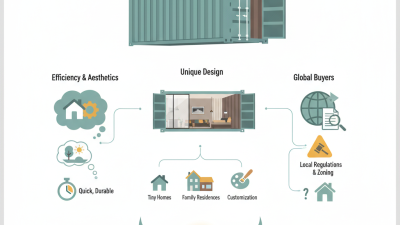
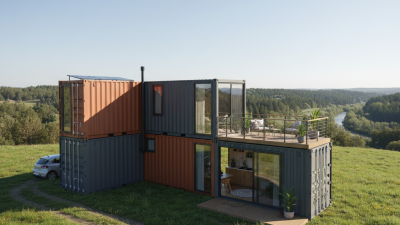
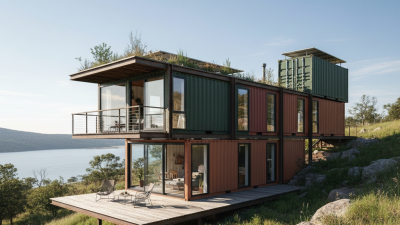
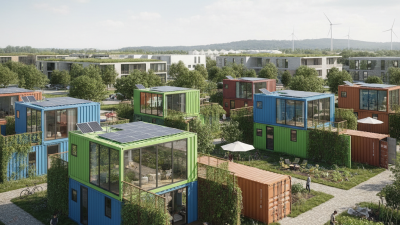
Container living has emerged as a revolutionary solution for modern affordable housing. As urban areas grow, people seek innovative ways to create cost-effective homes. Container homes offer flexibility, sustainability, and a unique aesthetic. They can be designed to fit various lifestyles, making them increasingly popular among young professionals and families alike.
However, this housing trend isn't without challenges. Space constraints can limit design options. Additionally, insulation and ventilation must be carefully considered to ensure comfort. Many people underestimate the planning process required for container living. As more individuals explore this housing option, understanding the potential pitfalls becomes crucial.
When properly executed, container living can lead to stunning homes that stand out from traditional architecture. Embracing this trend may require adjustments in expectations and lifestyle. With creativity and careful planning, container homes can blend modern living with affordability, providing an appealing alternative in today's housing market.
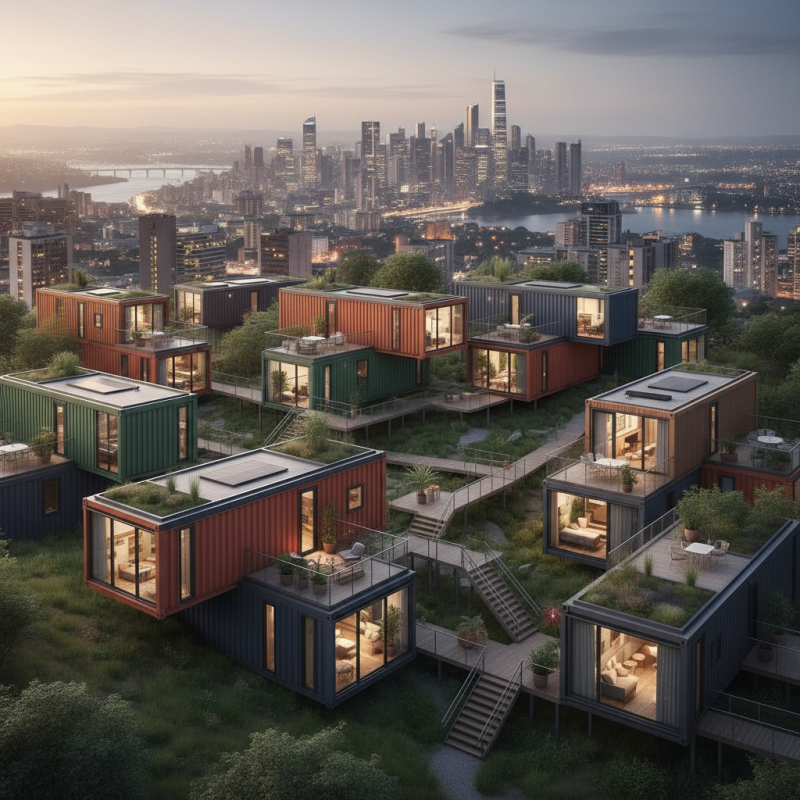
Container living offers a unique approach to modern affordable housing. With rising costs, repurposed shipping containers present an enticing alternative. Their sturdy structure makes them a reliable option for those seeking durability. Transforming a container into a home can be both creative and fulfilling. Many choose to add large windows for natural light, creating an inviting atmosphere. Each container can be customized to fit individual needs, making them versatile.
However, it’s essential to consider potential challenges. Insulation is crucial for comfort, particularly in extreme climates. Some might face zoning laws that complicate building efforts. Not all containers are in perfect condition; rust and structural issues may require repairs. Though initially cost-effective, unexpected expenses can arise.
Despite these considerations, the appeal of container living remains strong. It promotes sustainable practices through recycling and minimalism. Additionally, communities are developing around container villages, fostering a sense of belonging. These innovative spaces reflect a shift in how we view affordable housing today.

Container living presents a unique solution for affordable and sustainable housing. Using repurposed shipping containers reduces waste and encourages recycling. This approach also minimizes the ecological footprint of construction. It’s an opportunity for efficient design. However, creativity in space utilization is crucial. Sometimes, layout challenges can arise, limiting functionality.
Durability is another advantage of container homes. They are built to withstand harsh conditions at sea. This resilience translates to long-lasting homes. Yet, climate control can be an issue. Insulation must be carefully considered to ensure comfort year-round. This aspect requires thoughtful planning to achieve a balance.
These homes often promote a minimalist lifestyle. Fewer possessions lead to lower living expenses. This can be transformative for many. However, the transition may feel overwhelming. Downsizing may require emotional adjustment. Despite these challenges, container living stands as a viable option for those seeking modern, affordable housing solutions.
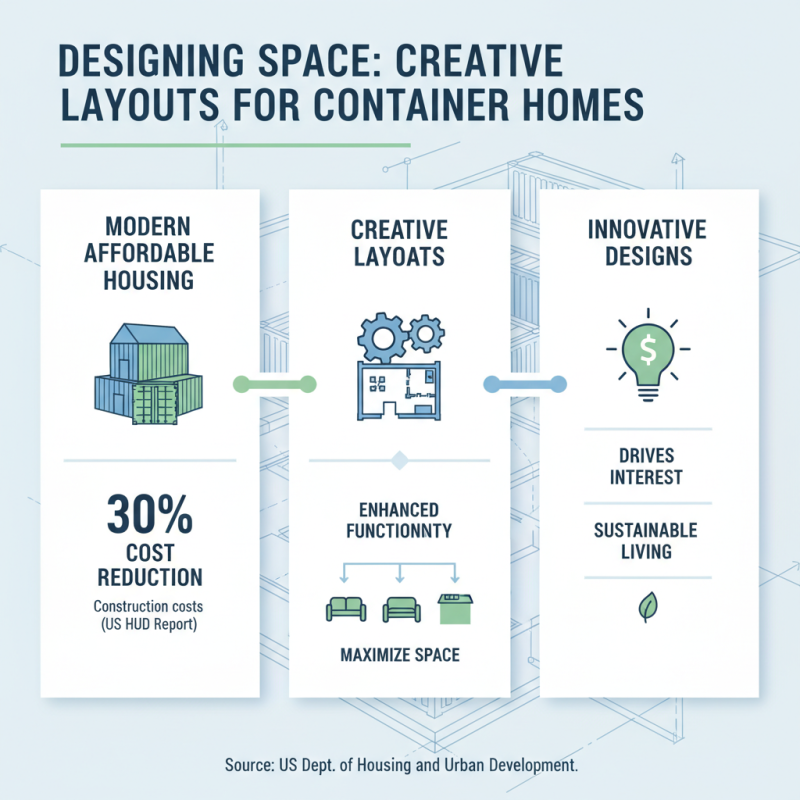
Container homes represent a modern solution to affordable housing. Creative layouts enhance functionality and maximize space. According to a report by the U.S. Department of Housing and Urban Development, container homes can reduce construction costs by up to 30%. This affordability drives interest in innovative designs.
In practice, open floor plans can make a small area feel larger than it is. Using multi-functional furniture is crucial. For instance, a bed that folds into the wall can free up floor space. Proper ventilation and natural lighting improve living quality. Incorporating large windows invites the outdoors inside, creating a seamless flow.
Tip: Prioritize essential living zones. A smart layout separates sleeping areas from communal spaces. Living zones should encourage interaction while maintaining privacy. A well-devised kitchen can serve multiple purposes. It can act as a workspace or a gathering spot for family and friends. Reflections on communal living might lead to a rethink of personal space, ensuring comfort is balanced with community needs. Design with adaptability in mind for future changes.
Container living offers a unique approach to sustainable housing. Many designs utilize recycled shipping containers, minimizing waste. These structures can be insulated using eco-friendly materials. For instance, salvaged wood and natural fibers are excellent options. They reduce the carbon footprint of new constructions.
Energy solutions play a crucial role in modern container homes. Solar panels can be installed on roofs, generating electricity. Rainwater harvesting systems are another sustainable feature. This method efficiently collects water for household use. However, integrating these systems requires careful planning. Some homeowners face challenges in sourcing materials or managing energy efficiency.
The aesthetics of container homes also contribute to their appeal. Exposed metal and innovative layouts provide a modern touch. Yet, it can be difficult to find the right balance between design and environmental impact. Homeowners should consider their local climate. Materials that work in one area may not be suitable in another. These factors make the journey of creating an eco-friendly container home an ongoing process of learning and adaptation.
| Design Idea | Key Features | Sustainable Materials | Energy Solutions |
|---|---|---|---|
| Minimalist Studio | Open space, multifunctional furniture | Reclaimed wood, eco-friendly insulation | Solar panels, energy-efficient appliances |
| Family Home | Multiple bedrooms, outdoor space | Steel frames, recycled materials | Wind turbines, rainwater harvesting |
| Eco Retreat | Secluded, nature-focused | Natural stone, bamboo flooring | Geothermal heating, composting toilets |
| Urban Loft | Industrial style, high ceilings | Repurposed container, steel | Smart home technology, LED lighting |
| Tiny House | Compact, efficient layout | Plywood, eco-paints | Solar-powered systems, energy storage |
| Community Housing | Shared facilities, collaborative spaces | Locally sourced materials | Community solar projects, energy sharing |
| Artistic Container | Colorful designs, art installations | Upcycled materials, vibrant paint | Passive solar design, biofuel systems |
| Modular Home | Interchangeable rooms, expandable | Sustainable composite materials | Grid-tied solar systems |
| Luxury Container Home | High-end finishes, modern comforts | Cedar wood, recycled glass | Solar water heating, smart climate control |
| Remote Work Container | Home office, quiet retreat | Natural fibers, low-VOC finishes | High-speed internet solutions, energy recovery ventilators |
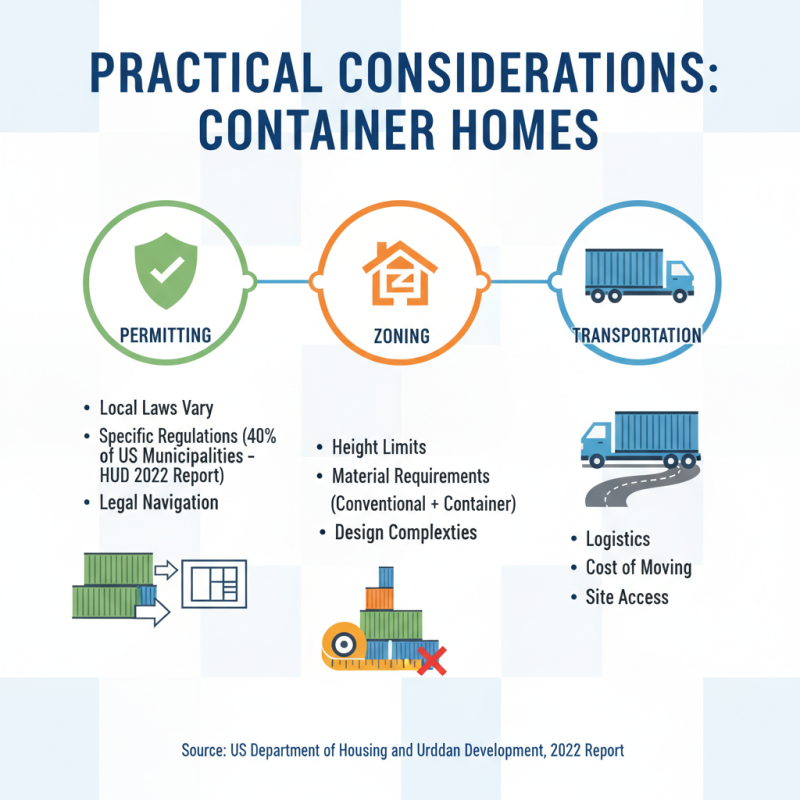
When considering container homes as a housing solution, it’s crucial to understand the implications of permitting and zoning. According to a 2022 report by the U.S. Department of Housing and Urban Development, nearly 40% of municipalities have very specific regulations regarding container structures. This means that potential home builders must navigate local laws carefully to avoid future legal issues. Many areas impose strict height limits or require conventional building materials alongside containers, which can complicate designs.
Transportation is another significant factor to consider. Moving a shipping container requires specialized trucks and permits. The American Trucking Association indicates that costs can vary greatly based on distance and road conditions, sometimes reaching 15% of the total project budget. Furthermore, access to your plot can limit transport options. Narrow roads or remote locations may require additional planning and expenses.
A professional survey conducted in 2023 revealed that 55% of container home owners faced challenges related to zoning and transport logistics before completion. These issues add layers of complexity to what many perceive as a straightforward housing solution. Therefore, thorough research and a deep understanding of local regulations are imperative for anyone interested in container living.