What Are the Benefits of Prefabricated Houses?
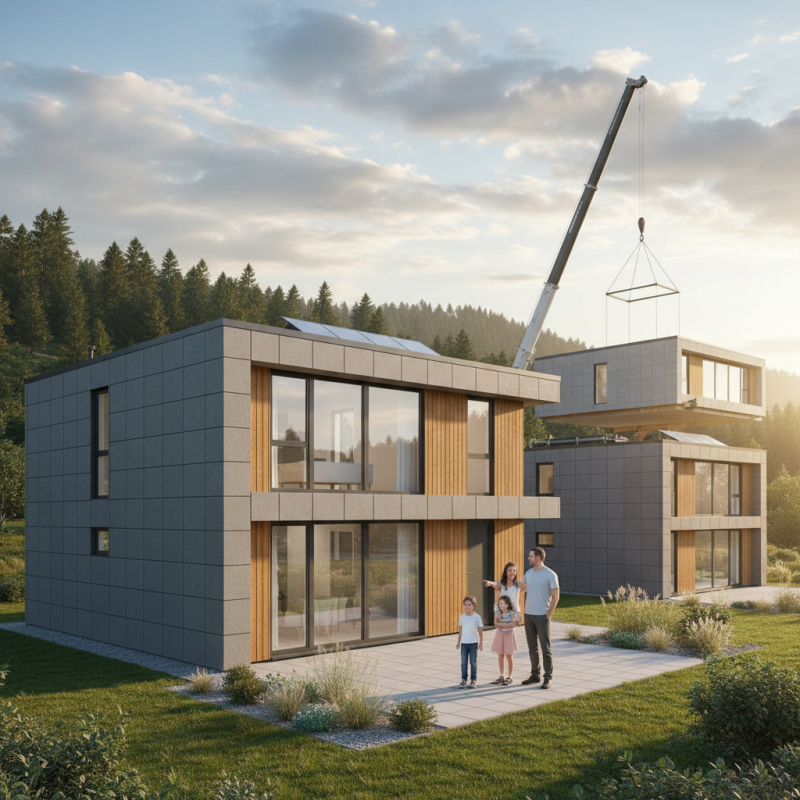
Prefabricated Houses have gained popularity in recent years. Their appealing design and cost-effectiveness attract many homeowners. These structures are built off-site and assembled on location, offering a simple solution to housing needs.
One significant benefit is time efficiency. Traditional construction can take months or even years. In contrast, Prefabricated Houses can often be completed in weeks. This rapid process reduces labor costs and minimizes delays. Moreover, many of these homes are energy-efficient, resulting in long-term savings.
However, some questions remain about their durability and resale value. People often wonder if they can withstand harsh weather. It’s crucial to research materials and construction standards. While Prefabricated Houses offer many advantages, understanding the potential drawbacks is essential. A balanced view can help homeowners make informed decisions.
Overview of Prefabricated Houses and Their Growing Popularity
Prefabricated houses are gaining traction in the construction industry. These homes are built off-site, then assembled on location. Their popularity is driven by several factors. According to industry reports, the prefabricated housing market is expected to grow at a rate of 6.6% annually through 2025. This surge reflects the increasing demand for cost-effective and efficient housing solutions.
One significant benefit is the speed of construction. Prefabricated homes can be built in a fraction of the time compared to traditional homes. For instance, a standard modular home may take just a few weeks to complete. Additionally, these houses often have lower waste production. Research indicates that prefabricated construction reduces material waste by up to 20%, making it more sustainable.
Tips: If you're considering a prefabricated home, think about regulations in your area. Not all locations allow them. Do your research before making a decision. Evaluate the aesthetic options available, too. Some designs may not match your vision, which can lead to dissatisfaction. Being aware of potential limitations can help you make a better choice.
Economic Advantages of Choosing Prefabricated Homes
Prefabricated houses offer significant economic advantages. They can save time and money during the construction process. More efficient building techniques often lead to lower costs. Materials can be purchased in bulk, which may reduce expenses. This approach streamlines the entire project, making it more budget-friendly.
Tips: Consider your budget carefully. Plan for unexpected costs. Always ask about warranty options.
Additionally, these homes often require less energy for heating and cooling. This can further reduce utility bills over time. A well-insulated prefabricated house can be just as comfortable as a traditional one. However, ensure that you research local building codes. Not all areas have the same regulations for prefabricated structures.
Tips: Research insulation options. Look for energy-efficient materials. Think about long-term savings on utility bills.
Environmental Benefits of Prefabricated Construction Practices
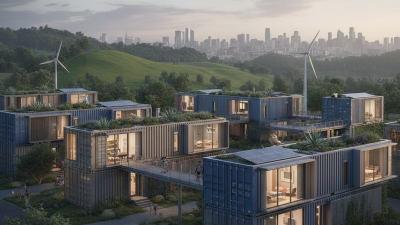
Prefabricated houses offer notable environmental benefits. They are designed and constructed off-site, which reduces waste significantly. Traditional building methods often result in excess materials. In contrast, prefabricated techniques allow for precise measurements. This reduces the leftover materials that typically end up in landfills. Even small details, like the use of recycled materials, improve sustainability.
Energy efficiency is another aspect worth mentioning. Prefabricated homes can be built with advanced insulation. This helps maintain stable indoor temperatures while reducing energy consumption. However, not all designs prioritize energy efficiency. Some come with standard insulation that does not meet today's standards. Homeowners should be mindful of this when choosing a design.
Moreover, the construction process is quicker. Shorter construction time means reduced environmental disturbance. However, this can lead to rushed decisions. Not every builder takes adequate time to ensure quality. In some cases, corners might be cut to finish a project quickly. It’s crucial for consumers to remain vigilant during the process.
Time Efficiency in the Building Process of Prefabricated Houses
Prefabricated houses offer significant time efficiency in the building process. Conventional construction often drags on for months, costing time and labor. However, prefabricated homes can be assembled in a matter of weeks. Precise factory conditions enable faster production. This leads to quicker turnaround times and lower labor costs on-site. Workers can focus on installation instead of lengthy construction tasks.
Moreover, the design and planning phases are streamlined. Advanced technology helps in crafting detailed designs before construction begins. This reduces delays due to design changes or weather issues. However, challenges remain. Miscommunication between factory and site teams can delay assembly. Sometimes, the fit may not be perfect, requiring adjustments. These moments highlight the need for clear communication and thorough planning.
Building with prefabricated elements does require careful consideration. Homeowners must think about local regulations and site preparation. While time-efficient, it is essential to engage with professionals who understand specifics. This can prevent unforeseen setbacks. Embracing prefabricated houses can revolutionize how we think about construction timelines. However, it's crucial to address these complexities as we innovate in home building.
Customization Options and Design Flexibility in Prefabricated Homes
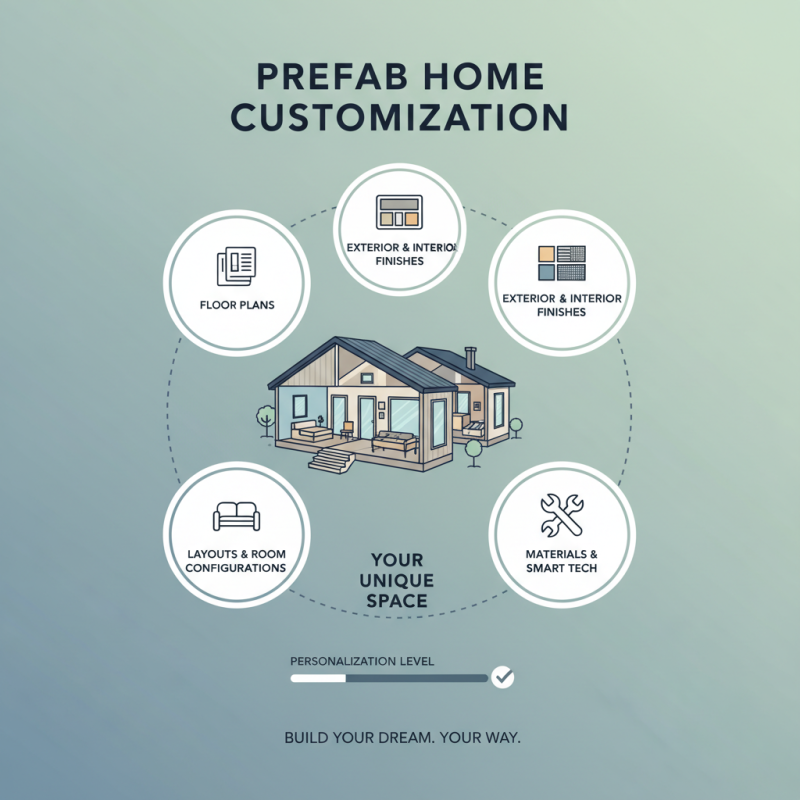
Prefabricated houses are gaining popularity for their unique customization options. Homebuyers can tailor many aspects of these homes. From floor plans to finishes, choices abound. Buyers can select colors, materials, and layouts. This level of involvement allows people to create a space that feels personal and unique.
However, customization can be overwhelming. Many options are available, and some may not align with practical needs. The desire for a modern aesthetic can clash with function. A spacious, open floor plan may sound appealing, but does it fit the lifestyle? This reflection is vital when designing a dream home.
Design flexibility is another important benefit of prefabricated homes. They can adapt to various landscapes and climates. Homeowners can integrate energy-efficient elements, like large windows for natural light. Yet, excessive windows can lead to privacy issues. Balancing aesthetics and functionality often requires hard choices. Embracing the reflection process can result in a more thoughtful home design.