How to Choose the Best Prefabricated Houses for Your Needs?
The rise of prefabricated houses has transformed the construction industry. According to a report by Grand View Research, the global prefabricated housing market is expected to reach $400 billion by 2027. This growth reflects a growing preference for affordable, high-quality housing solutions. The ease of construction and reduced timeframes play a crucial role in this shift.
Experts in the field emphasize the importance of choosing the right prefabricated house to meet individual needs. John Smith, a leading architect in sustainable housing, states, "Selecting the proper design and materials is crucial for optimal performance and livability." His insights remind us that not all prefabricated houses are identical. Each option has its strengths and weaknesses.
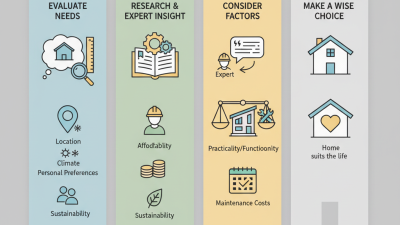
When considering prefabricated houses, factors such as location, design, and budget are pivotal. It’s essential to reflect on your priorities and lifestyle. Some may prioritize aesthetic appeal, while others might focus on cost-efficiency. In this evolving market, it's vital to make informed decisions that balance personal needs with industry trends.
Understanding Prefabricated Houses: A Comprehensive Overview
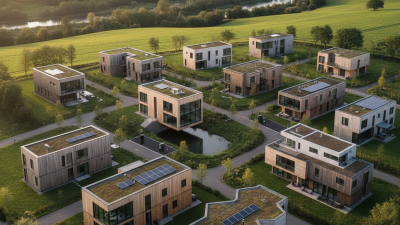
When considering prefabricated houses, it’s crucial to understand their unique attributes. These homes are built in sections, often off-site, and then transported for assembly. This method allows for greater efficiency and reduced construction time. Many people appreciate the customization options available with prefabricated homes. You can choose layouts and finishes that suit your style and needs. However, it’s essential to balance flexibility with your budget.
Here are some tips for selecting the right prefabricated house. Research the types of materials used in construction. Some options may offer better insulation or durability. Don't hesitate to ask about the environmental impact of the materials. Look into the design for functionality. A beautiful aesthetic is important, but so is practicality in daily living.
Lastly, consider the location and zoning regulations. Different areas have varying rules that may affect your project. Take time to connect with experienced builders. They can offer valuable insights and help you avoid potential pitfalls. Mistakes during selection can lead to significant costs later. It’s essential to be informed. Prefabricated homes are a smart solution, but thorough consideration is crucial.
Key Considerations When Selecting Prefabricated House Designs
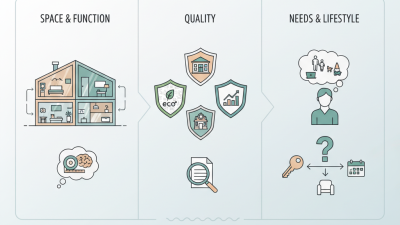
Choosing the right prefabricated house is not just about design. Consider your space requirements carefully. Measure your land and think about future needs. Will your family grow? Plan for that. A small house might feel cramped later.
Next, examine the construction materials. Prefabricated houses vary in quality. Some materials are energy-efficient, while others may not provide good insulation. Investigate the energy ratings and maintenance needs. Poor choices can lead to higher bills.
Lastly, think about the design flexibility. Some designs offer customizations. Limited options might restrict your vision. Reflect on your lifestyle. Does the layout support your day-to-day activities? A thoughtfully designed home should accommodate both present and future wishes.
Evaluating Materials and Construction Methods for Prefab Homes
Choosing the right materials for a prefabricated house is crucial. The structure's durability often relies on the materials you select. Wood, steel, and concrete are common options. Each has its advantages and drawbacks. Wood is lightweight and offers good insulation. However, it may be less durable against pests and weather. Steel, on the other hand, is robust and can withstand extreme conditions but may lack aesthetic warmth. Concrete provides strength but can be heavy and challenging to work with.
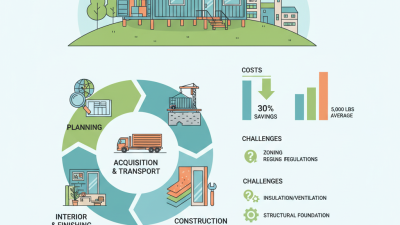
When evaluating construction methods, consider the assembly process. Modular homes are built in sections and assembled on-site, allowing for faster construction. Panelized homes come with pre-cut panels that require assembly. Both methods have their efficiency but varying costs. It’s essential to inspect each option’s energy efficiency and sustainability. Think about how it aligns with your environmental values.
**Tips:** Look for local builders experienced in prefabricated homes. They can offer insights on the best materials for your area. Visit completed projects to see the materials in action. Don't hesitate to ask questions about maintenance and durability. Reflect on your lifestyle needs and how the materials you choose will impact your home.
How to Choose the Best Prefabricated Houses for Your Needs?
| Criteria |
Material |
Construction Method |
Durability |
Cost Range |
| Insulation |
Polyurethane Foam |
Panelized |
Very High |
$150,000 - $200,000 |
| Sustainability |
Recycled Steel |
Modular |
High |
$120,000 - $180,000 |
| Maintenance |
Wood Composite |
Factory-built |
Moderate |
$80,000 - $130,000 |
| Regulatory Compliance |
Brick and Mortar |
Hybrid |
High |
$95,000 - $145,000 |
| Energy Efficiency |
Concrete Panels |
Precast |
Very High |
$110,000 - $160,000 |
Cost Analysis: Budgeting for Prefabricated Housing Options
Budgeting for prefabricated houses requires careful consideration. Costs vary widely based on size, materials, and location. Begin by gathering estimates from multiple sources. A basic model may be more affordable, but it lacks customization. Consider your long-term goals. Is energy efficiency a priority? Such features can elevate initial costs but save money over time.
Another important factor is land preparation. Clearing, grading, and permits can add unforeseen expenses to your budget. Many overlook these hidden costs. It's crucial to allocate funds for them. Additionally, factor in shipping fees. Depending on your location, these can significantly increase total expenses.
While prefabricated homes often promise savings, unexpected costs may arise. Research thoroughly to avoid being blindsided. Engaging with professionals can provide valuable insights. They can help identify potential pitfalls and suggest cost-effective solutions. Always plan for flexibility in your budget. This approach allows for adjustments without compromising your vision.
Assessing Energy Efficiency and Sustainability in Prefab Houses
When assessing energy efficiency in prefabricated houses, start by examining insulation materials. High-quality insulation minimizes heat loss and lowers energy bills. Look for houses that use recycled or sustainable materials. These options not only reduce environmental impact but also promote energy savings.
Sustainability involves more than just materials. Consider the house's design and orientation. Passive design elements, like large windows or overhangs, enhance natural light and ventilation. This contributes to a comfortable living environment while reducing reliance on artificial heating or cooling.
However, not all prefab designs prioritize energy efficiency. Some may focus on aesthetics over performance. It’s essential to research and ask tough questions about energy ratings and certifications. Ensure your chosen prefab house aligns with your values and needs for a better living experience.