Best Container Casa Designs for Affordable Living Solutions?
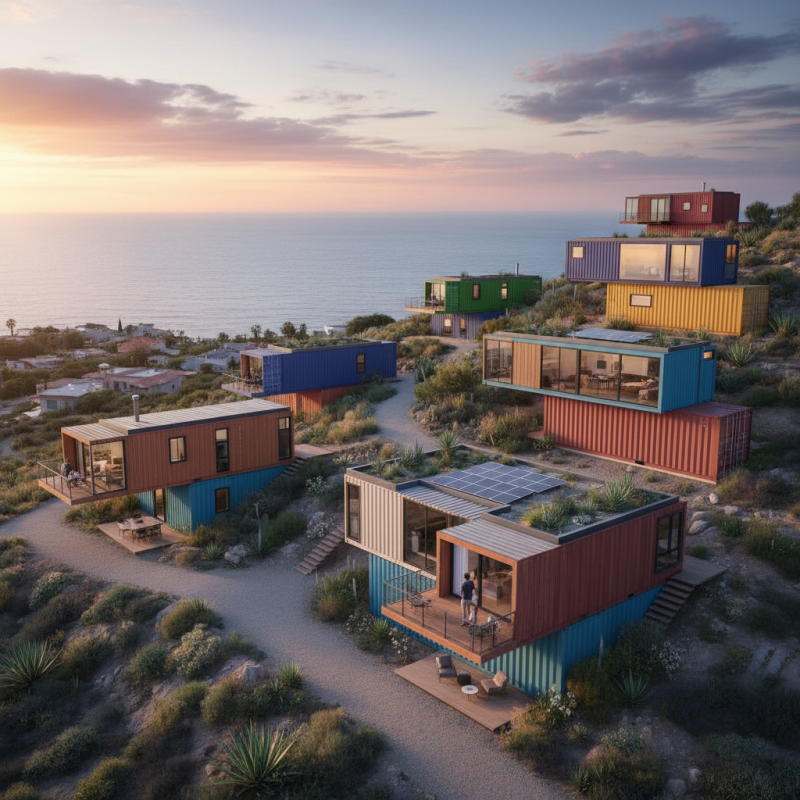
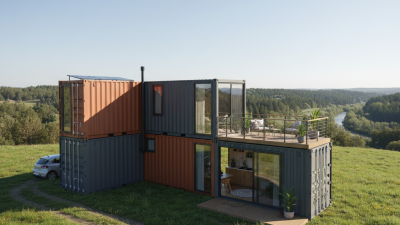
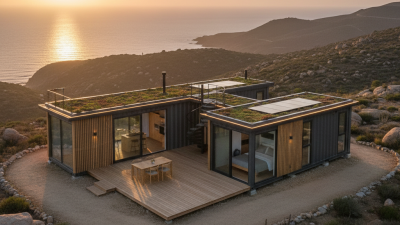
In recent years, the "Container Casa" trend has emerged as an innovative solution for affordable living. Experts like architect Jason Murphy emphasize the potential of this concept, stating, "Container homes offer a unique blend of sustainability and style." These structures repurpose shipping containers, transforming them into functional, comfortable living spaces.
Container Casa designs can be visually striking, yet they often spark debates on practicality and quality. While some designs are stunning, not all are built to last. It is crucial to choose a trustworthy builder who understands the nuances of repurposing containers.
Moreover, the affordability of Container Casas can sometimes be misleading. Hidden costs can arise during the conversion process. Buyers should carefully consider zoning laws, insulation, and plumbing. Despite these challenges, the potential for creating beautiful, efficient spaces remains appealing for many.
Top Features to Consider in Container Casa Designs
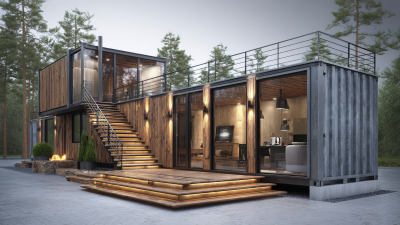
When considering container casa designs, functionality is crucial. Look for layouts that optimize space. Multi-functional furniture can transform a small area. Foldable desks and convertible sofas can save significant room. Natural light is another essential feature. Large windows enhance mood and reduce the need for artificial lighting.
Sustainability matters too. Choosing eco-friendly materials benefits the environment. Proper insulation keeps the space comfortable year-round. However, achieving this balance can be challenging. Some designs may compromise aesthetics for efficiency. It’s important to reflect on personal needs versus design trends. A minimalist approach can help avoid clutter. Ultimately, the design should align with a practical lifestyle.
Affordable Container Casa Designs for Different Lifestyles
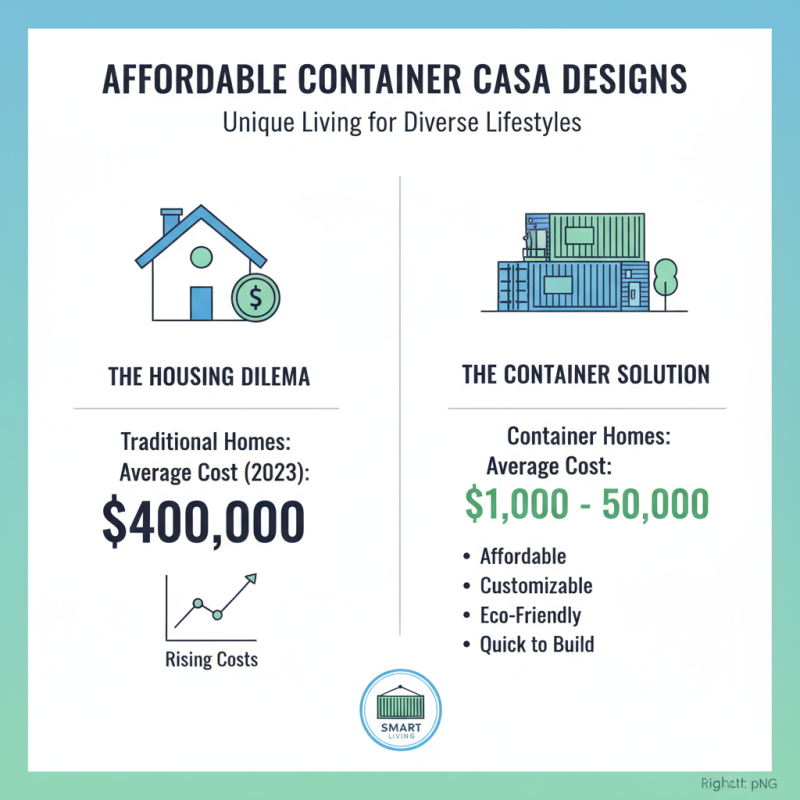
Container casas offer unique living solutions that cater to diverse lifestyles. With the rising cost of traditional housing, many people are turning to container homes for affordability. According to a recent report from the National Association of Realtors, the average cost of a new single-family home reached $400,000 in 2023. In contrast, container homes can cost as little as $10,000 to $50,000, depending on design and customization.
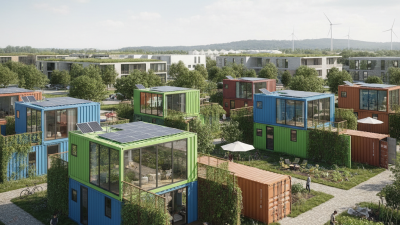
These homes can fit various preferences. Families may choose a larger setup with multiple containers, while singles often opt for smaller, minimalist designs. The versatility of container homes allows homeowners to create spaces that suit their needs, whether for a bustling urban lifestyle or a serene countryside retreat. Urban dwellers benefit from easy zoning and quicker construction. Yet, the design of these homes can sometimes feel limiting, leading to a need for creative solutions.
Living in a container casa is not without challenges. Insulation and climate control remain concerns in such metal structures. Some homeowners struggle with finding the right finishes that balance aesthetics and utility. It's critical to engage with professionals experienced in container design to navigate these complexities. By addressing these issues early, one can create a living space that is both affordable and comfortably livable.
Innovative Interior Layouts in Container Homes
Container homes are becoming popular for affordable living. They offer unique interior layouts that maximize space. One attractive layout is the open-concept design. This style blends the kitchen, living, and dining areas. Such a layout creates a sense of spaciousness. Large windows can enhance natural light, making the space feel larger.
Many container homes use multifunctional furniture. Folding tables, Murphy beds, and storage ottomans save valuable space. These pieces are essential in smaller areas. They can transform a cozy home into a comfortable living space. Always think about how each element works together. It’s easy to clutter a small area if you’re not careful.
**Tip**: Consider using bright colors for walls. Light shades can make a room feel airy and open.
Another important aspect is the layout of the kitchen. Choosing a compact but efficient kitchen design can improve functionality. A kitchenette with modular cabinets can provide storage while being chic. Remember, each choice should reflect your style and fit your life.
**Tip**: Experiment with different layouts before committing. Sketch your ideas or use digital tools. Find what feels right.
Best Container Casa Designs for Affordable Living Solutions
This bar chart represents the number of various container home designs available in the market, focusing on the most popular layouts that provide affordable living solutions.
Sustainable Materials and Construction Techniques for Container Casas
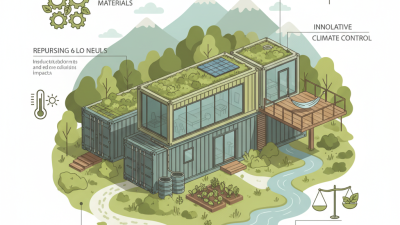
Container casas offer an innovative approach to affordable living. They utilize repurposed shipping containers, making them both eco-friendly and budget-friendly. Sustainable materials play a crucial role in their design. Insulation options, like recycled denim or sheep's wool, keep homes comfortable and minimize energy use. Reclaimed wood for interiors creates warmth and charm.
When planning your container casa, consider natural ventilation. Strategic window placements enhance airflow. This design choice can reduce reliance on air conditioning. Incorporating solar panels is another great tip. They harness renewable energy and decrease long-term utility costs. Look for locally sourced materials; it supports the community and reduces transportation emissions.
While container homes are versatile, they do require careful planning. Zoning laws can be a barrier in some areas. Not every design suits every climate. This can lead to uncomfortable interior conditions. Therefore, research local regulations and consider climate-appropriate materials. Embrace the imperfections of this living style. They often lead to unique and personalized homes.
Cost-Benefit Analysis of Living in a Container Home
Container homes have gained popularity as affordable living solutions. Their cost-effectiveness is a major advantage. According to industry reports, building a traditional home costs around $150 per square foot. In contrast, container homes can be as low as $50 per square foot. This significant price difference makes them appealing to many.
Tip: Consider your location. The cost of land can vary greatly. Research potential sites to get the best deal.
While container homes offer lower costs, there are trade-offs. Insulation and ventilation must be addressed. Without proper planning, living conditions can become uncomfortable. Additionally, local building codes may create challenges. It's vital to ensure compliance to avoid future expenses.
Tip: Consult with professionals. They can provide insights on design and compliance. Their expertise can save time and money.
Ultimately, while container homes present a budget-friendly option, thorough research is key. Balancing costs and living standards is crucial. The journey into container living may have imperfections, but with careful planning, it can result in a rewarding lifestyle.
Best Container Casa Designs for Affordable Living Solutions
| Design |
Size (sq ft) |
Estimated Cost ($) |
Number of Bedrooms |
Energy Efficiency Rating |
| Modern Minimalist |
320 |
$25,000 |
1 |
A+ |
| Family Retreat |
640 |
$45,000 |
2 |
A |
| Sustainable Haven |
400 |
$30,000 |
1 |
A++ |
| Compact Studio |
288 |
$20,000 |
0 |
B+ |
| Eco-Friendly Design |
500 |
$35,000 |
1 |
A+ |