Building Faster | Smarter | Greener

Leave Your Message

What Are the Best Container Living Homes from China?

Container Living is moving from a niche housing idea toward a practical construction option. China is especially important because its factories combine steel fabrication, modular assembly, and large-scale supply networks. The opportunity looks substantial. Grand View Research estimates that the global modular construction market reached about USD 91.9 billion in 2023. Its report also projects continued growth through 2030. These figures cover modular buildings broadly, not only converted shipping containers. That distinction matters.

McKinsey & Company reports that modular construction can reduce project schedules by 20–50% and costs by up to 20% in suitable conditions. However, results depend on design repetition, factory quality, transport distance, and site preparation. A well-built Chinese container home should show clean welds, sealed corners, insulated wall panels, and tested electrical systems. Look closely. A low price can hide weak insulation or expensive installation work.

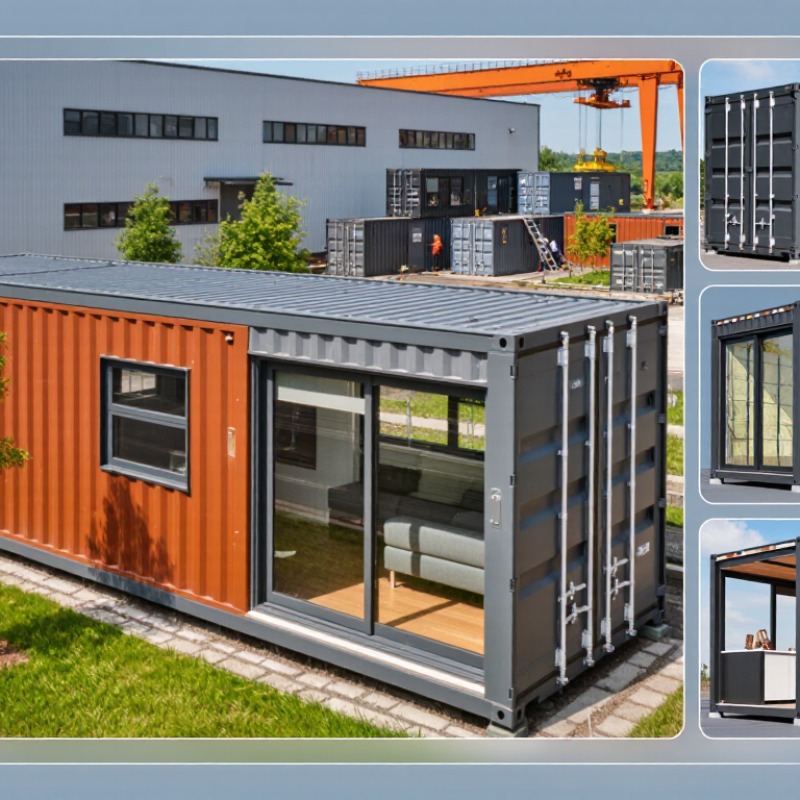
The best suppliers offer engineering drawings, material specifications, factory inspection records, and clear after-sales support. They should explain whether a unit uses new corten steel modules or refurbished containers. Fire resistance, ventilation, thermal performance, and corrosion protection deserve equal attention. International building standards may also require local review before installation. This guide compares leading China-based options through that practical lens. It considers design quality, durability, customization, delivery experience, and supplier transparency. Some marketing claims remain difficult to verify. That is an honest limitation. Careful buyers should request samples, independent inspections, and lifecycle cost estimates before choosing a Container Living home.
What Are the Best Container Living Homes from China?

What Defines a High-Quality Container Living Home from China?

A high-quality container living home from China is more than a steel box with attractive finishes. Its structure should follow ISO 668 dimensions and show clear weld, corrosion, and load inspection records. If recycled containers are used, ask whether they were checked for chemical residue, deformation, and hidden rust. These details are easy to overlook.

Comfort depends on the building envelope. Strong insulation, thermal bridges, sealed windows, and controlled ventilation matter more than decorative walls. The UNEP 2023 Global Status Report states that buildings and construction consumed about 34% of global energy in 2022. Better insulation can reduce heating and cooling pressure. Factory production also helps. McKinsey reports that modular construction can shorten schedules by 20–50% in suitable projects. However, that figure is not universal. Site access, weather, and installation quality still matter.

Tips: Request wall and roof insulation values, wiring diagrams, plumbing test records, and fire-safety documentation. Check whether materials meet the destination country’s requirements, not only Chinese factory standards. Stand inside the unit after rain if possible. Smell, condensation, and cold corners reveal problems quickly. A perfect sample rarely exists. I would still question vague certificates, rushed delivery, and unusually low prices. Reliable suppliers provide traceable production photos, inspection records, maintenance guidance, and clear responsibility for defects.

Which Types of Container Homes Are Available from Chinese Manufacturers?

What Are the Best Container Living Homes from China?

Which Types of Container Homes Are Available from Chinese Manufacturers?

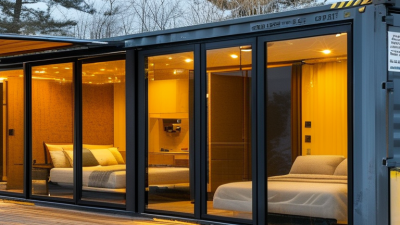
Chinese manufacturers commonly offer several container home formats for different transport and site conditions. Flat-pack units ship as panels, frames, and fixtures. They use less volume during delivery. Folding homes arrive partly assembled and open quickly on site. Expandable homes add hinged sections for larger living space. Their floor area grows after installation. These models can include bedrooms, kitchens, bathrooms, and insulated utility rooms. However, fast deployment does not guarantee comfort. Thermal bridges, drainage, and ventilation still require careful engineering.

Welded modular homes provide a stronger, more permanent-feeling structure. They often leave the factory with wiring, plumbing, flooring, and windows installed. Detachable units suit temporary offices, staff accommodation, and relocatable projects. Customized homes can combine several modules into villas, classrooms, studios, or small commercial spaces. Some designs look impressive in online images. Real performance may differ. Door seals, floor insulation, and sound control deserve closer inspection.

When evaluating Chinese manufacturers, request drawings, material specifications, load calculations, fire ratings, and test reports. Check steel thickness, coating quality, welds, door seals, and electrical components. Confirm compliance with destination codes and local permits. A low quoted price may exclude foundations, cranes, shipping, or installation. That cost is easy to miss. Concealed pipes look neat but can be difficult to repair. The best type depends on climate, transport routes, occupancy, and expected service life, not appearance alone.

How Are Chinese Container Living Homes Designed and Built?

Chinese container living homes are designed around a steel module, not a decorative box. Designers first inspect the container’s load path, corner posts, welds, and corrosion. Cutting large openings can weaken the frame. Reinforcement is therefore added around doors, windows, and stair connections. ISO 668 dimensions often guide transport planning, while local building codes control fire safety, ventilation, structure, and drainage.

Factory production improves repeatability. Workers can install insulation, wiring, plumbing, wall panels, and windows under controlled conditions. McKinsey’s 2019 report on modular construction found that modular projects may finish 20–50% faster and cost up to 20% less. The result depends on disciplined design. It is not automatic. Designers usually create a ventilated roof, raised floor, moisture barriers, and thermal-break details around steel members. Without them, condensation can stain interior walls quickly.

Energy performance deserves close attention. The 2023 UNEP Global Status Report stated that buildings and construction produced about 37% of global energy-related emissions and process emissions. Chinese homes therefore increasingly use thicker insulation, efficient heat pumps, shading screens, and low-emission materials. Site teams place modules on engineered foundations, connect utilities, seal joints, and test water flow before occupancy. Cranes make installation fast. Weather still interferes. A practical weakness remains: factory efficiency can hide poor local adaptation, especially in humid coastal areas or cold northern climates. Experienced inspection matters more than attractive renderings.

What Materials and Features Improve Container Home Comfort?

Comfort in a Chinese container home depends on controlling heat, moisture, noise, and air movement. The steel shell conducts heat quickly, so insulation should sit continuously outside or inside the frame. Mineral wool offers fire resistance and sound absorption, while PIR panels provide strong thermal performance with less wall thickness. However, thicker insulation is not automatically better. Poorly sealed joints can still create cold spots and condensation.

The UNEP Global Status Report for Buildings and Construction 2023 states that buildings consume about 30% of global final energy. Efficient design matters. Low-E double glazing, external shading, and a ventilated roof reduce summer heat gain. In humid southern regions, a heat-recovery ventilation system can supply fresh air without wasting excessive cooling energy. Bathrooms also need dedicated exhaust fans. Small details matter.

For quieter bedrooms, resilient channels, acoustic insulation, and floating floor layers can reduce vibration from the steel frame. The World Health Organization recommends indoor bedroom noise below 30 decibels for good sleep. That target may be difficult near busy roads. Site selection still matters. Airtight construction improves comfort, but it can trap pollutants without balanced ventilation. Any final design should be checked against local fire, structural, energy, and moisture requirements by qualified professionals.

What Materials and Features Improve Container Home Comfort?

Typical thermal resistance of 100 mm insulation layers used in container-home envelopes. A higher R-value generally means better resistance to heat flow and improved indoor comfort, although final performance also depends on thermal bridges, installation quality, windows, and ventilation.

Values are representative industry ranges converted to approximate R-values for a 100 mm layer: PIR insulation about 4.2, XPS about 3.1, EPS about 2.9, mineral wool about 2.7, and cellulose about 2.6 m²·K/W. Lower U-values and continuous insulation are also important for limiting heat loss in steel container structures.

How Should Buyers Compare Chinese Container Home Suppliers?

Choosing a container living home from China requires more than comparing attractive renderings. A strong comparison begins with the supplier’s engineering ability. Ask how long the factory has produced residential units and whether licensed professionals review its drawings. Request factory photos, material lists, and completed-project references. Details matter. Confirm the steel grade, frame thickness, floor loading, insulation type, window quality, and electrical components.

Compare construction, not brochure images. Check weld consistency, corrosion protection, drainage design, and roof connections. Ask for test reports covering fire performance, wind resistance, and thermal insulation where applicable. The supplier should explain which standards the home follows and what local approvals may still be required. If answers remain vague, treat that as a serious warning. A low quotation can hide thinner materials, missing fixtures, or expensive site work.

A dependable quotation lists every cost, including packaging, inland transport, shipping, installation, and possible taxes. It should separate standard features from optional upgrades. Confirm whether the supplier provides assembly drawings, remote technical support, replacement parts, and written warranty terms. Speak with recent buyers when possible. Their feedback may reveal delays that polished sales materials never mention. Suppliers can make mistakes. A missing drainage detail or incorrectly sized window can create real trouble after delivery. Buyers should leave room for independent inspection before shipment, even when the factory seems experienced. That extra caution may feel slow, but correcting wiring, leaks, or structural defects later costs much more.