Exploring the Best Simple Container House Designs in China
The rise of the "Simple Container House" concept in China has revolutionized the housing market. According to a report by the China Container Housing Association, the demand for container homes has increased by 45% over the last three years. This surge reflects a growing interest in sustainable, affordable housing solutions. Experts believe that container homes could be a key response to urbanization challenges.
Dr. Wei Zhang, a leading architect in this field, emphasizes the potential of these designs. He states, "Simple Container Houses are not just homes; they symbolize a new lifestyle focused on sustainability." His insights reveal a blend of practicality and creativity in container designs. They offer innovative solutions for modern living.
However, this trend is not without its critiques. Some designs lack durability and may not suit all climates. Additionally, zoning regulations can pose challenges to construction. As this movement grows, it is essential to address these shortcomings. This balance of innovation and practicality will shape the future of Simple Container Houses in China.

Overview of Container House Designs in China
In recent years, container houses have gained traction in China. These innovative structures present an affordable solution to housing shortages. According to a report by the China Urban Planning Institute, around 30% of new housing projects in major cities now incorporate container designs. This trend highlights the increasing acceptance of alternative living solutions in urban environments.
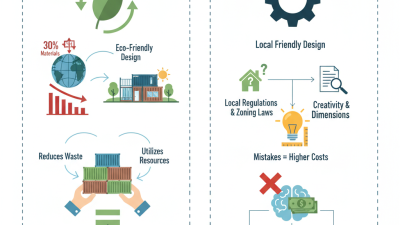
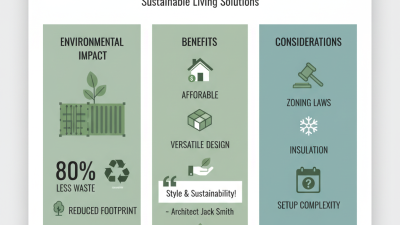
Container houses are praised for their environmental benefits. They utilize repurposed materials, which can reduce waste significantly. Data from the Ministry of Housing and Urban-Rural Development indicates that building with shipping containers can cut construction time by 30%. However, not all designs achieve optimal functionality or aesthetics. Some projects have faced criticism for insufficient insulation or poor ventilation, raising questions about comfort and liveability.
The flexibility of container designs is also noteworthy. They can be easily modified to suit various needs. Yet, this adaptability sometimes leads to challenges in layout planning. Ensuring adequate space can be tricky. Many designs still struggle with maximizing usable areas effectively. Thus, while container houses promise a revolutionary approach, they also highlight the need for continuous improvement in design and execution.
Exploring the Best Simple Container House Designs in China
Key Features of Simple Container Houses
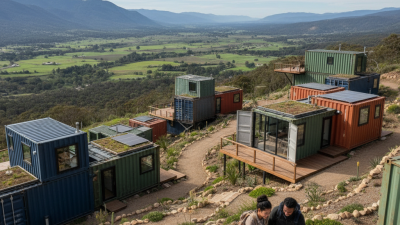
Simple container houses are gaining popularity in China, thanks to their affordability and practicality. These designs often prioritize functionality and sustainability. Notably, a report by the China Urban Planning Society indicates that over 30% of new housing projects now explore modular and container-based solutions. Their ability to be quickly assembled and relocated makes them attractive for urban areas facing housing shortages.
Key features of simple container houses include durability and energy efficiency. Made of steel, they can withstand harsh weather conditions. Many designs incorporate insulation materials, optimizing energy consumption. A study from the National Building Research Institute reveals that these homes can reduce energy costs by up to 50%. Additionally, the compact space encourages minimalist living, aligning with modern lifestyle trends.
While there are many advantages, challenges remain. Space limitations can lead to issues with privacy and storage. Furthermore, customization can be cost-prohibitive for some. Local zoning laws might restrict placement, complicating potential sites. Balancing cost-efficiency with personal comfort is crucial for potential homeowners.
Popular Materials Used in Container Construction
Container houses have gained popularity in recent years, particularly in China. The choice of materials is crucial in these constructions. Steel is the primary component due to its strength and durability. A report by the National Bureau of Statistics of China notes that steel remains the favored choice, constituting about 65% of construction materials in container homes.
Another popular option is shipping containers themselves, repurposed for housing. This not only reduces waste but also cuts costs significantly. According to a study by the International Organization for Standardization, upcycling shipping containers can decrease building expenses by up to 30%. However, insulation and finishing are essential to transform these containers into comfortable living spaces.
Wood is also gaining traction as a complementary material. It brings warmth and aesthetic appeal. A recent market analysis revealed a growing preference for wood due to its sustainability. Yet, the potential for rot and pest issues raises concerns. Balancing aesthetics and functionality is crucial. This multifaceted approach highlights the need for careful planning and execution in container house designs.
Benefits of Container Houses for Sustainable Living
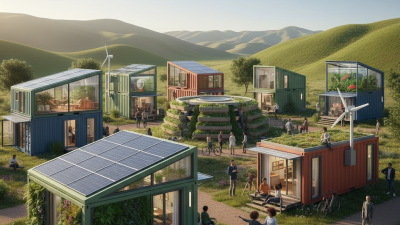
Container houses are gaining popularity in China. They offer a unique solution for sustainable living. According to a report by the International Energy Agency (IEA), buildings account for nearly 40% of global energy consumption. By using recycled shipping containers, we can reduce this energy footprint significantly. These homes are not just affordable; they drastically lower the carbon footprint.
A typical container house can be built in just weeks, compared to months for traditional homes. This rapid construction reduces waste and energy use. Furthermore, many container houses are designed with energy-efficient features. Solar panels and rainwater harvesting systems enhance sustainability. However, not all designs meet the highest standards. Some may lack proper insulation, leading to temperature regulation issues.
The flexibility of container homes allows various designs. Yet, some face zoning restrictions or may be viewed unfavorably in communities. It's essential to balance innovation with local regulations. Engaging in community discussions can ease these concerns. As interest grows, more resources for sustainable container living become available. This trend may transform the housing landscape in China, but continuous evaluation is needed.
Innovative Container House Projects in Urban China
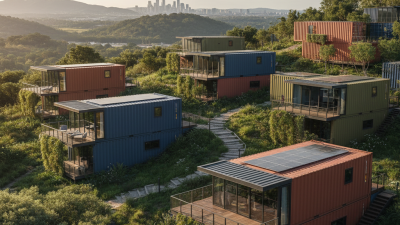
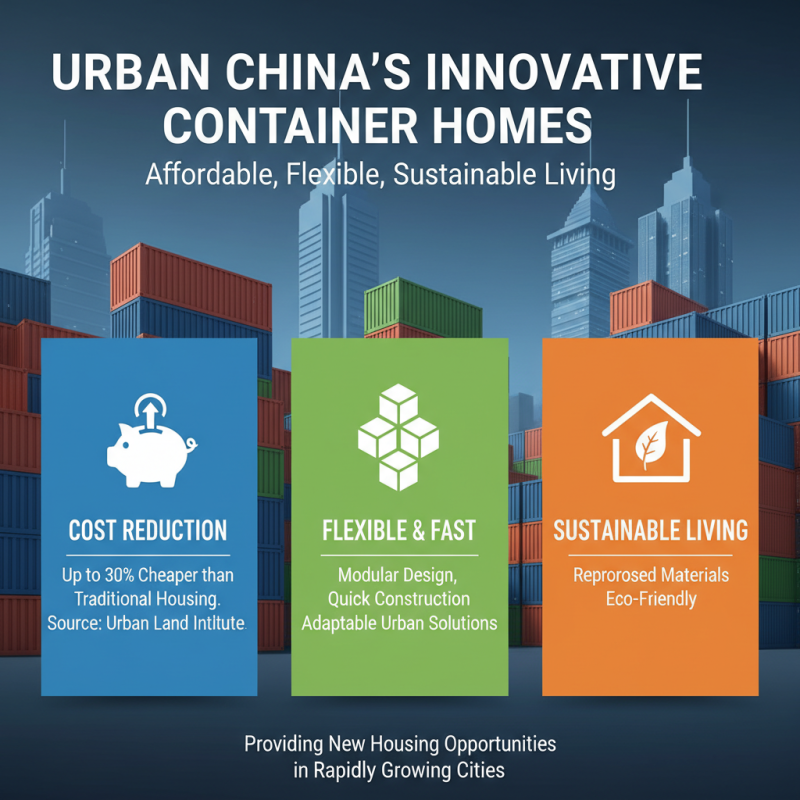
Urban China is witnessing a surge in innovative container house projects. These structures offer affordable, flexible, and sustainable living solutions in rapidly growing cities. According to a report by the Urban Land Institute, container homes can reduce building costs by up to 30%. This is particularly significant in locations where traditional housing is often out of reach for many.
One striking aspect of container houses is their adaptability. They can be seamlessly integrated into existing urban landscapes, enhancing aesthetics without overwhelming the environment. Cities like Shanghai and Beijing have seen the rise of container cafes, art studios, and even small residences. These projects serve as social hubs, fostering community interaction. However, there are challenges. Some designs struggle to meet local building codes and safety regulations.
Additionally, insulation and temperature control are crucial considerations. Container homes can become uncomfortably hot or cold if not properly designed. Developers must focus on sustainable materials and energy-efficient systems. This attention to detail can elevate container homes from mere novelty to viable living spaces. As urbanization continues, the need for creative building solutions is more pressing than ever.