How to Build a Glass Container House on a Budget?
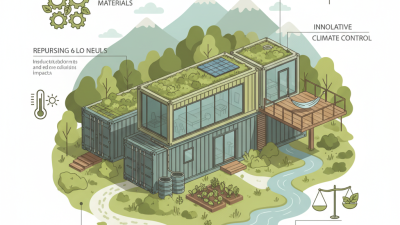
Building a Glass Container House can be both exciting and challenging. According to architect Sarah Jenkins, an expert in sustainable housing, “The beauty of glass container homes lies in their synergy with nature.” This concept emphasizes the harmony between living spaces and the environment.
Creating a Glass Container House on a budget is feasible but requires careful planning. Start by researching materials and designs that suit your aesthetic while keeping costs low. Thriftiness often leads to creativity; consider how recycled materials can enhance your home. Embracing imperfections can also contribute to unique character in the design.
Balancing modern elegance with practicality is essential. Glass provides natural light, while shipping containers offer structural durability. However, keep in mind the potential challenges of insulation and privacy. Design choices here can shape your living experience significantly.
Understanding the Basics of Glass Container Houses
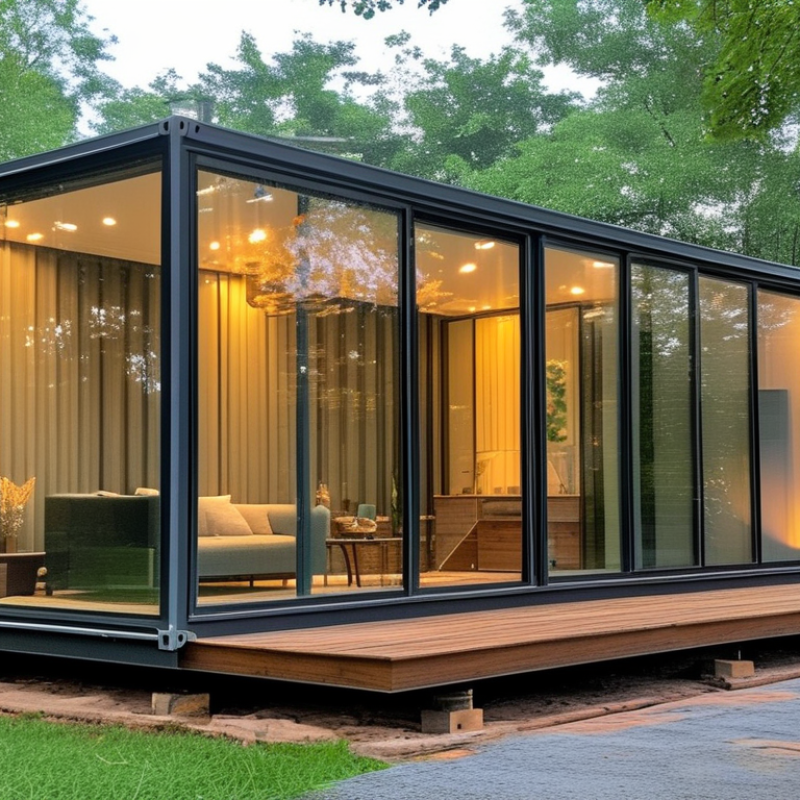
Building a glass container house offers a unique blend of aesthetics and functionality. These homes utilize shipping containers combined with large glass panels. This design maximizes natural light and creates an open, airy atmosphere. The use of glass invites the outside in, but it also presents challenges.
Understanding the basics of construction is vital. Structural integrity must be prioritized when designing with glass and metal. One must consider insulation and weather resistance too. A poorly insulated glass wall can lead to high energy bills. Selecting suitable materials is crucial to ensure durability. Not all glass is created equal; some are better suited for structural support than others.
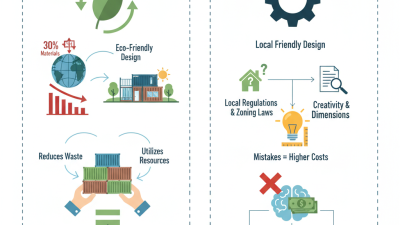
Budget considerations can lead to compromises. Perhaps using recycled materials or simple layouts can reduce costs. It's easy to overestimate the budget when adding high-end features. A planned approach can mitigate overspending. Think creatively about space and aesthetics, and remember: simplicity often offers beauty. Reflecting on these elements can lead to a rewarding design process.
Choosing Affordable Materials for Your Glass Container Home
When embarking on building a glass container house, choosing affordable materials is vital for staying within budget. Glass itself can be expensive. However, consider alternatives like acrylic or polycarbonate sheets. These materials provide excellent transparency and durability. They are often lighter and easier to install than traditional glass, which lowers overall costs.
Tips: Explore local recycling centers for glass panels. Sometimes, you can find perfectly usable pieces that others have discarded. This not only saves money but also supports environmental sustainability.
Frame your glass container with affordable materials. Steel framing is commonly used. It offers strength and can be cost-effective if sourced from surplus or second-hand suppliers. Additionally, consider using insulated panels. They provide thermal efficiency, reducing heating and cooling costs in the long run.
Tips: Always get multiple quotes before purchasing materials. Prices can vary significantly between suppliers, so shopping around can lead to savings. Don't forget about the importance of insulation. Cutting corners here may cost you more due to energy inefficiencies later.
Designing an Energy-Efficient Layout for Budget Constraints
Designing a glass container house on a budget involves careful planning and smart choices. Energy efficiency should be a top priority. According to the U.S. Department of Energy, homes designed with energy-efficient layouts can save up to 25% on annual energy costs. This statistic highlights the importance of effective design.
Utilization of natural light is critical. Large glass panels allow sunlight in, reducing the need for artificial lighting. Positioning the house to maximize daylight can significantly lower your electricity bill. In fact, a study by the National Renewable Energy Laboratory indicates that passive solar design can lead to significant energy savings, especially in moderate climates.
Space management also matters. A well-designed open floor plan offers airflow while making the most of your space. Avoiding excessive partitions can keep costs down and make the home feel larger. However, be mindful of the potential for glare and overheating during summer months. Balancing aesthetics and comfort requires thoughtful planning.
Incorporating additional insulation in key areas can also help maintain temperature control. Reports suggest that proper insulation can improve efficiency ratings by over 30%. This blending of cost-effective materials with energy-efficient principles ensures that your glass container house remains both functional and sustainable.
Step-by-Step Construction Process for a Glass Container House
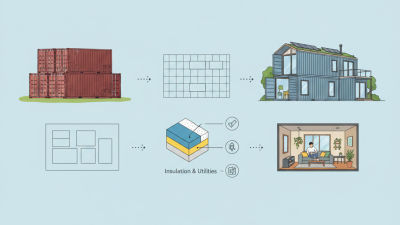
Building a glass container house on a budget requires careful planning and execution. Begin by selecting the right shipping containers. Look for used ones that are structurally sound but might need some repairs. Inspect for rust or damage, as fixing these issues later can add costs. You can often find them at shipping ports or through local suppliers. It's key to involve a professional to assess their integrity.
Next, focus on insulation and glass installation. Quality insulation is critical for energy efficiency. Choose materials that can withstand varying temperatures. You can use reclaimed materials for insulating the containers. When it comes to glass, consider large windows or glass doors that connect the interior to the outside. This enhances natural light but can be a bit pricey. Don't rush this step. Balancing cost and quality is essential.
Lastly, plan the interior layout realistically. Designate specific areas for living, cooking, and sleeping. Use multipurpose furniture to save space and costs. Sometimes, unexpected challenges arise in space management. Address them as they come, allowing flexibility in your design. Building a glass container house can be fulfilling, but it requires ongoing reflection and adjustments throughout the process.
Budget Allocation for Building a Glass Container House
Tips for Cost-Effective Insulation and Finishing Touches
When planning a glass container house on a budget, insulation is key. Traditional insulation materials can be expensive. However, using recycled materials can cut costs significantly. For instance, insulation made from reclaimed denim or cellulose can be both effective and economical. The U.S. Department of Energy reports that proper insulation can reduce heating and cooling costs by 30%.
Finishing touches can enhance the aesthetics of your home without overspending. Simple options like DIY shelving or repurposed furniture add character. A fresh coat of paint can change the entire look of a space. The National Association of Realtors states that minor kitchen remodels recoup about 80% of their costs. Avoid overly intricate designs. They may seem appealing but can lead to budget overruns.
It’s crucial to budget carefully. Unexpected expenses can arise, especially with glass installations. Ensure you have a contingency fund for surprises. The insulation choices and finishing touches can greatly influence your final costs. Reflect on what aspects are essential versus what can be simplified. Balancing function with style is vital for a successful build.
How to Build a Glass Container House on a Budget? - Tips for Cost-Effective Insulation and Finishing Touches
| Aspect |
Details |
| Budget Range |
$10,000 - $30,000 |
| Container Size |
20ft x 8ft |
| Insulation Type |
Spray Foam or Rigid Foam Boards |
| Cost-effective Windows |
Double Glazed Windows |
| Flooring Material |
Laminate or Vinyl |
| DIY Finishing Touches |
Paint, Shelves, and Lighting Fixtures |
| Exterior Options |
Natural Wood Cladding or Metal Siding |
| Utilities |
Solar Panels & Portable Water Solutions |