How to Build a Living Container House in 2026?
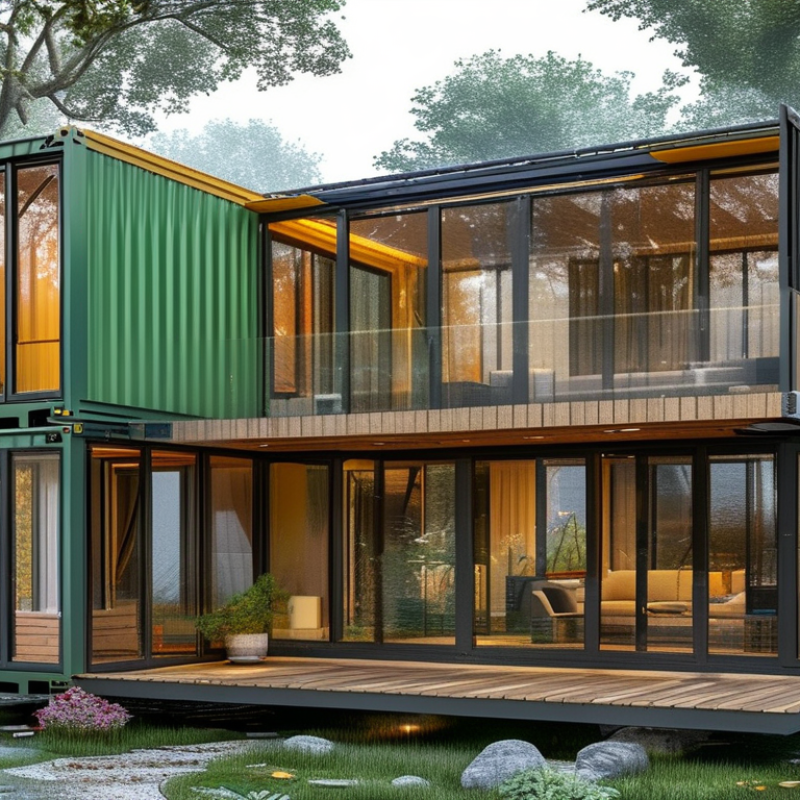
Building a Living Container House in 2026 offers a unique approach to sustainable living. These structures are not only eco-friendly but also innovative. Imagine transforming shipping containers into stylish homes that meet modern design standards.
The process requires careful planning and creativity. Key considerations include insulation, plumbing, and layout. Each aspect plays a crucial role in maintaining comfort and efficiency. Potential builders might feel overwhelmed by choices. It’s essential to reflect on personal style and needs as you embark on this journey.
Living Container Houses challenge traditional concepts. They promote environmental consciousness while providing flexibility and affordability. However, it’s vital to address potential challenges, such as zoning laws. Each project teaches valuable lessons. Embrace the journey toward creating a functional and beautiful living space.
Understanding the Concept of Living Container Houses
Living container houses are gaining popularity as sustainable housing solutions. These homes utilize repurposed shipping containers, offering a unique blend of creativity and functionality. According to industry reports, shipping containers can significantly reduce construction waste. In fact, using one shipping container can save up to 6,000 pounds of material from landfills.
Building a living container house presents challenges. The insulation and ventilation must be carefully considered. Containers are made from steel, which can lead to temperature extremes. A study by the National Association of Home Builders highlights that proper insulation can lower energy costs by 20% to 30%. This statistic underscores the importance of planning and expertise in creating comfortable living spaces.
When constructing a living container house, focus on eco-friendly materials. Consider using solar panels for energy. Rainwater harvesting systems can enhance sustainability. It's crucial to reflect on local building codes and zoning regulations, as they may vary widely. This ensures compliance and can prevent costly modifications later. Sustainable living takes a thoughtful approach, often requiring trial and error to achieve optimal results.
Designing Your Ideal Container House Layout
Designing your ideal container house layout in 2026 requires thoughtful planning. The perfect layout hinges on maximizing space and enhancing functionality. According to a 2023 report by the Container Home Association, over 70% of container homes focus on open floor plans. This design allows for flexibility in interior arrangements, making it popular among modern homeowners.
It’s essential to consider natural light and ventilation in your design. Large windows and skylights can transform a standard container into a bright, inviting space. An architectural study showed that homes with ample natural light can reduce energy costs by up to 30%. However, achieving this balance may require precise calculations to avoid excessive heat gain during summer months, prompting a need for thoughtful shading options.
Creating designated zones within your container house helps cater to various needs. For example, separating living, dining, and sleeping areas can improve functionality. Still, be aware that the limited width of a container may make this tricky. Keeping the layout adaptable is vital. Consider multi-functional furniture, like fold-out tables or Murphy beds. This ensures you can change your space as your lifestyle evolves, but also reflects the challenge of accommodating growth in a fixed structure.
Materials and Equipment Needed for Construction
Building a living container house in 2026 requires careful planning and the right materials. Start with finding quality shipping containers. They must be structurally sound. Choose containers that have had minimal use. Look for signs of rust or damage. You’ll also need proper insulation. This ensures comfort in varying climates. Consider eco-friendly options, such as spray foam or rigid foam boards.
Next, focus on foundation materials. A solid base is essential. Concrete blocks or a pier-and-beam system can work well. Additionally, gather tools like a circular saw, drill, and welding equipment. They are necessary for cutting and assembling containers. Don’t overlook safety gear, including gloves and goggles. Safety is paramount in a construction setting.
Electrical and plumbing systems are also crucial. Use PVC pipes for plumbing and running cables through conduits for electrical needs. If you are unsure about installations, hire a professional. This can prevent costly mistakes. Reflect on the layout of your space as you proceed. An efficient design maximizes the living area and promotes functionality. Keep realistic expectations. Building a container house can present unexpected challenges.
Step-by-Step Construction Process of a Container House
Building a container house can be an exciting project. In 2026, you can follow a step-by-step process. Begin by selecting your container. Look for used containers in good condition. Check for rust or structural damage before purchasing.
Next, plan your layout. Use software to visualize your design. Decide on the insulation, windows, and doors to enhance functionality. Pay close attention to plumbing and electrical placements. These can be tricky later on.
Tips for success: Ensure proper ventilation in your design. Poor air circulation can lead to moisture issues, which you want to avoid. Be ready for delays. Sourcing materials may take longer than expected.
When it comes to the build, consider hiring professionals. Their expertise can help with difficult tasks like welding and securing. But also, maintain a hands-on approach for personal touches. Reflect on what parts of the process felt too rushed. Adjust your timeline accordingly to avoid stress.
Construction Cost Breakdown for a Living Container House in 2026
Sustainable Practices in Container House Building
Building a living container house in 2026 means embracing sustainable practices. Using recycled shipping containers can minimize waste. These containers are durable and can be repurposed effectively. However, not all containers are equal. You'll need to inspect them for structural integrity and contamination issues.
Choosing energy-efficient materials is crucial. Insulation plays a key role in temperature control. Several eco-friendly options exist, from spray foam to natural fibers like hemp. Water conservation is another significant aspect. Consider installing rainwater harvesting systems. This can reduce reliance on municipal water sources.
Incorporating green spaces can enhance air quality. Vertical gardens are a stylish solution. They add aesthetic value while improving the environment. However, planning for maintenance is essential. Plants need care, and not everyone has a green thumb. Observing local climate conditions is important for choosing suitable plants. These elements contribute to a truly sustainable living space, but challenges remain. Balancing design and function requires thoughtful consideration.