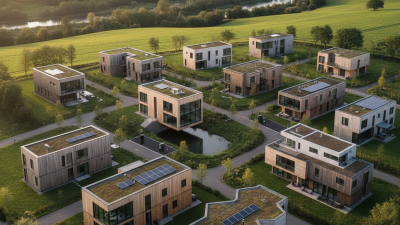
Are Prefab Houses the Future of Sustainable Living?
Prefab Houses are rapidly gaining attention as a sustainable living solution. According to a recent report from the World Economic Forum, the global prefab housing market is projected to reach $25.5 billion by 2025. This growth highlights a shift towards more eco-friendly building practices. An industry expert, Dr. Emily Hargrove, emphasizes, "Prefab construction reduces waste and energy consumption significantly." This aligns with the growing demand for sustainable housing options.
In urban areas, the need for affordable and sustainable homes is urgent. Traditional construction methods often contribute to environmental degradation. Prefab Houses offer a solution by using advanced technology to minimize material waste. However, some critics argue that prefab homes can be too standardized, lacking in individuality. This raises questions about personal preference versus sustainability.
Furthermore, while prefab homes are efficient, there are concerns about their long-term durability. Several studies suggest that well-designed prefab units can last as long as traditional houses. Nonetheless, potential homeowners should reflect on necessary trade-offs. The evolution of Prefab Houses may lead us toward a more sustainable future, but discussions around design quality and personalization are vital.
The Rise of Prefab Houses: A Shift Towards Sustainable Living
The trend of prefab houses is rapidly gaining traction. Prefabricated homes offer a quicker construction process and lower costs. A study by the World Economic Forum found that prefab construction can reduce building time by up to 50% compared to traditional methods. This efficiency leads to reduced labor costs and minimized waste, aligning perfectly with sustainable living practices.
Many prefab homes are constructed using recycled materials. This approach lessens the environmental impact of new constructions. According to a report from McKinsey, the construction sector is responsible for nearly 40% of global carbon emissions. By adopting prefab technology, the industry can significantly lower its carbon footprint. However, challenges remain. The acceptance of prefab homes varies by region, and some still view them as temporary solutions.
Despite their advantages, prefab homes sometimes lack customization. Buyers may face restrictions in design choices, leading to a sense of uniformity. As the market evolves, balancing sustainability with personal preferences will be crucial. Future designs must challenge this notion and embrace unique aesthetic options. The potential for growth in the prefab sector is vast, but addressing these concerns is essential for widespread acceptance.
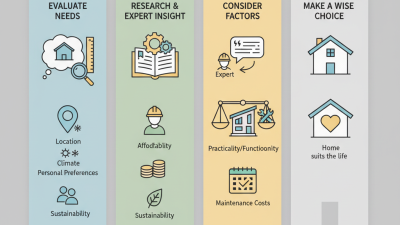
Are Prefab Houses the Future of Sustainable Living? - The Rise of Prefab Houses: A Shift Towards Sustainable Living
| Aspect |
Traditional Houses |
Prefab Houses |
| Construction Time |
6-12 months |
3-6 months |
| Waste Generation |
High |
Low |
| Energy Efficiency |
Moderate |
High |
| Carbon Footprint |
High |
Low |
| Customization Options |
Limited |
Flexible |
| Cost |
Higher initial investment |
Lower initial investment |
Benefits of Prefab Houses in Environmental Sustainability
Prefab houses are gaining attention as a viable solution for sustainable living. These homes are often built in factories, minimizing waste during construction. Traditional building methods frequently lead to overages and leftovers, contributing to environmental degradation. In contrast, prefab homes are designed with efficiency in mind. This approach can significantly reduce both material waste and energy consumption.
Additionally, prefab houses often utilize eco-friendly materials. Many are constructed with recycled items, which lowers the demand for new resources. This practice not only helps the planet but can also lower costs. Advanced manufacturing techniques allow for precision, which leads to better insulation. Efficient energy use contributes to lower utility bills, making prefab housing not just sustainable but also economical.
Despite these benefits, there are still some challenges to consider. Issues such as site selection and zoning regulations can complicate the process. Not all areas are suitable for prefab constructions. Potential homeowners may also have concerns about customization and aesthetic appeal. While prefab houses show great promise for sustainable living, ongoing reflection on these issues is necessary. This ensures they become a permanent fixture in our quest for greener solutions.
Comparative Benefits of Prefab Houses in Environmental Sustainability
Design and Technology Innovations in Prefabricated Construction
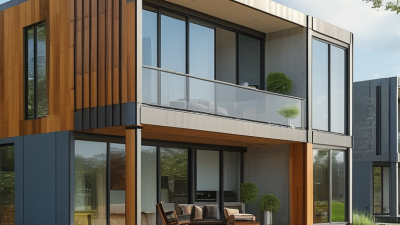
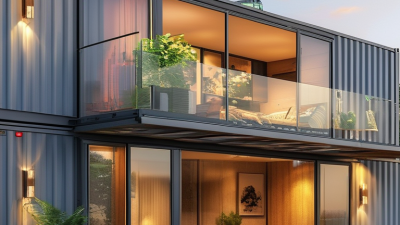
Prefab houses are gaining attention as a solution for sustainable living. Recent design and technology innovations have made these homes more efficient. These advancements focus on energy savings, reduced waste, and faster construction times. Modular designs allow for flexibility, catering to diverse needs.
One significant innovation is the use of eco-friendly materials. For instance, recycled steel and sustainable wood are becoming standard. This shift can minimize the environmental footprint of building. Additionally, enhancements in insulation and energy-efficient windows significantly reduce energy consumption. These upgrades can lead to long-term savings on utility bills.
**Tip:** When considering a prefab house, research local regulations. They can vary significantly by region.
While prefab houses offer many benefits, some challenges exist. Many people worry about the perceived lack of customization. Each home is designed with standard modules, potentially limiting personal touches. There may also be hesitance from traditional builders. However, builders are now beginning to embrace these methods.
**Tip:** Visit a prefab home to experience the space firsthand. The layout may surprise you!
Innovative technologies, such as 3D printing and smart home integration, are also being explored. These approaches can further enhance the appeal of prefab living. As the industry evolves, the future of sustainable housing looks promising yet complex.
Challenges and Misconceptions Surrounding Prefab Homes
Prefab homes often face skepticism. People think they lack quality and style. Misconceptions can stem from outdated ideas. Many believe these homes are just temporary structures or trailers. However, advancements in design and construction show a different story.
Sustainability is a key feature of prefab homes. They use eco-friendly materials and produce less waste. Yet, not all prefab homes meet green building standards. Buyers should research manufacturers and materials used. The market is evolving, but transparency is necessary. Some companies may exaggerate their environmental impact.
Building a prefab home can present challenges. Zoning laws and land use regulations vary widely. This creates obstacles for potential buyers. Delivery and setup can also be complicated, particularly in remote areas. Therefore, prospective owners must plan carefully. Prefab homes can be a sustainable solution, but awareness of these challenges is crucial.
The Future Market Trends for Prefab Housing and Sustainability
The trend of prefab houses is rising. They offer an efficient solution to housing shortages. These homes are often made from sustainable materials. Many are energy-efficient, reducing long-term costs. As cities grow, the need for affordable housing increases. Prefab houses can address this issue effectively.
In recent years, environmental concerns have surged. The construction industry contributes significantly to carbon emissions. Prefab homes minimize waste during the building process. They can be designed with eco-friendly features. However, some worry about quality and durability. Not all prefab houses are created equal.
The market for prefab housing is evolving. More companies are focusing on innovative designs. Sustainability is key to attracting buyers. Yet, misconceptions about prefab homes persist. Some view them as inferior. Education is needed to change this perception. The future looks promising but requires careful reflection.