How to Buy Container Homes at the 139th Canton Fair?
The 139th Canton Fair, set to take place in April and May 2026, is a pivotal event for those interested in Container Homes. This industry has seen a surge, with reports indicating a 20% annual growth rate. According to industry expert Dr. Linda Cheng, “Container Homes are not just affordable; they offer sustainable solutions for modern living.” This echoes the growing trend of eco-friendly housing alternatives.
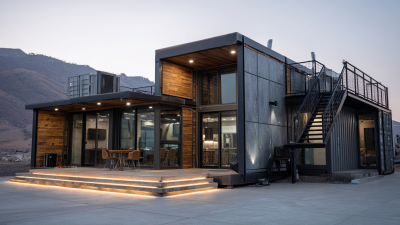
At the Fair, buyers can explore various Container Home designs, meeting numerous suppliers under one roof. The introduction of AI-driven search and navigation will enhance buyers' experiences. With over 1.5 million square meters of exhibition space, efficient movement is crucial. Buyers can target vendors with specific certifications, ensuring quality. Visually, the range of Container Homes displayed promises innovative layouts and eco-friendly options.
Despite the benefits, challenges remain. Not every Container Home design is cost-effective or suitable for all climates. Buyers should critically evaluate each option to avoid potential pitfalls. It is essential to reflect on the long-term viability of Container Homes in diverse living situations.

Understanding Container Homes and Their Benefits
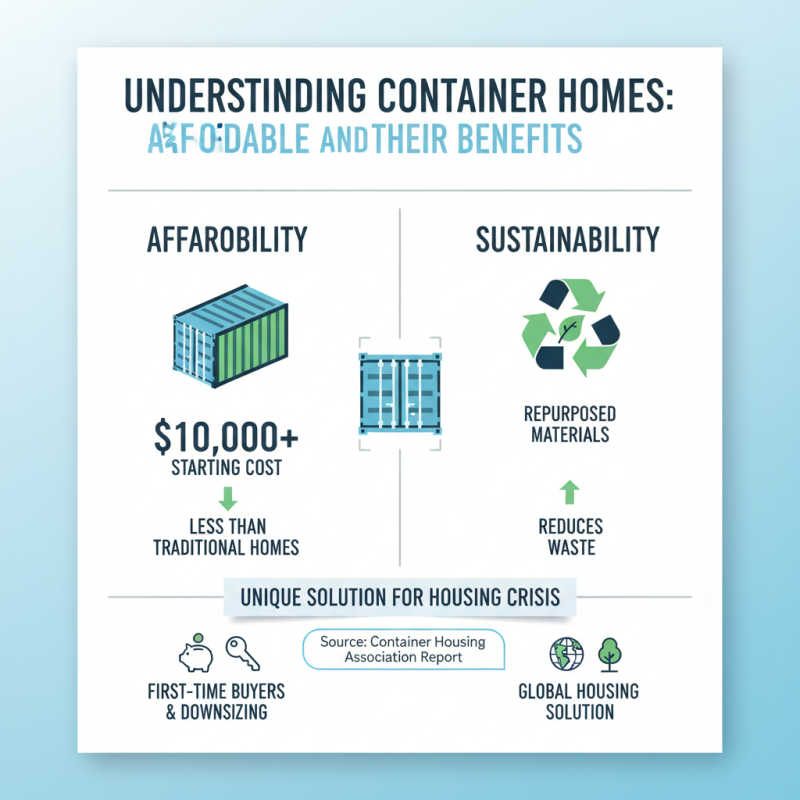
Container homes are gaining popularity for their affordability and sustainability. According to a recent report by the Container Housing Association, these homes can be built for as low as $10,000, significantly less than traditional houses. This makes them an ideal option for first-time buyers or those looking to downsize. With the global housing crisis, container homes offer a unique solution.
One major benefit is energy efficiency. These homes can be designed to use less energy, which reduces utility costs. A study by the Eco-Building Institute found that energy-efficient homes can save up to 30% on heating and cooling costs. However, building with containers poses challenges. Insulating these structures properly is crucial, yet many overlook this detail. This oversight can lead to problems like condensation and increased energy costs.
Flexibility is another advantage. Container homes can be customized to fit various needs. The ability to stack and combine containers allows for creative designs. However, planning permissions can vary greatly. Understanding local regulations is necessary. Many buyers find navigating these rules complex and frustrating, which can lead to delays.
Overview of the 139th Canton Fair and Its Significance
The 139th Canton Fair is one of the world's largest trade exhibitions. It attracts over 24,000 exhibitors from various industries. Container homes have gained popularity in recent years. Their appeal lies in affordability and sustainability. The fair provides an excellent platform for potential buyers to explore innovative designs.
Industry reports highlight a significant growth in the container home market. The market size was valued at around $73 billion in 2022. By 2030, it is projected to reach $111 billion. The fair showcases a variety of container living solutions. From compact homes to luxury modular units, there's something for everyone.
Attendees can engage with manufacturers directly, which is crucial for informed decision-making. Buying container homes requires careful consideration. It's important to evaluate the reliability of manufacturers. Not all suppliers maintain the same quality standards. Investigating past projects is beneficial. This ensures that the purchased homes meet both safety and aesthetic needs. The Canton Fair gives buyers an opportunity to connect and ask vital questions. Engaging with various participants can lead to valuable insights.
Steps to Prepare for Attending the Canton Fair
Attending the Canton Fair can be an exciting opportunity for sourcing container homes. Preparation is key to maximizing your experience. First, set clear objectives. Know what you want. Research the market. In 2022, the demand for innovative housing solutions, like container homes, surged by 20%. This data highlights how viable these homes are becoming.
When planning your trip, secure all travel documents early. Check visa requirements and local codes for importing container homes. Create a list of exhibitors who specialize in container homes. According to industry reports, over 2,000 exhibitors showcase diverse products at the Canton Fair. Familiarizing yourself with these details helps streamline your search.
To effectively navigate the fair, set a budget. It's easy to overspend on promising options. Allocate funds for sampling products and negotiating prices. Many attendees have shared experiences of not adhering to their budget and regretting impulse buys. Remember, the Canton Fair is vast, and preparation is vital for informed decisions. Balancing excitement with careful planning creates a successful sourcing adventure.
How to Buy Container Homes at the 139th Canton Fair? - Steps to Prepare for Attending the Canton Fair
| Step Number |
Preparation Task |
Details |
Expected Outcome |
| 1 |
Research Container Home Options |
Look into various designs and configurations offered by exhibitors. |
Identify desired features and specifications. |
| 2 |
Arrange Logistics |
Book flights, accommodation, and transportation for the fair. |
Ensure a smooth travel experience. |
| 3 |
Prepare Questions |
List questions to ask suppliers regarding pricing, shipping, and regulations. |
Gain comprehensive understanding of purchasing process. |
| 4 |
Set a Budget |
Determine your maximum spending limit for container homes. |
Staying within budget while ensuring quality. |
| 5 |
Network with Suppliers |
Attend networking events and seminars during the fair. |
Establish connections for future purchases. |
| 6 |
Review Contracts and Terms |
Carefully read through supplier agreements. |
Clear understanding of terms before making a commitment. |
Tips for Evaluating Container Home Vendors at the Fair
When attending the 139th Canton Fair, evaluating container home vendors is crucial. The market for container homes has been growing rapidly, expecting a CAGR of 3.4% by 2025, according to industry reports. Knowing this, it's essential to ask pointed questions. Check the vendor's experience. A vendor with years in the business likely has refined processes. This can save you time and cost in the long run.
Look for quality in construction. Inspect materials used in their designs. Ask to see past projects. Research indicates that over 30% of container home owners report issues due to poor construction. Don’t ignore client feedback or online reviews. They provide insights that brochures may not. It's vital to ensure safety and longevity, as these factors significantly impact resale value.
Lastly, consider the flexibility of designs offered. The ideal vendor should allow customization to meet local regulations and personal preferences. While variation in design can reflect creative capabilities, it can also reveal inconsistencies. Always be wary of vendors who push standardized designs without room for modifications. A lack of transparency can raise red flags.
Post-Fair Actions: Finalizing Your Container Home Purchase
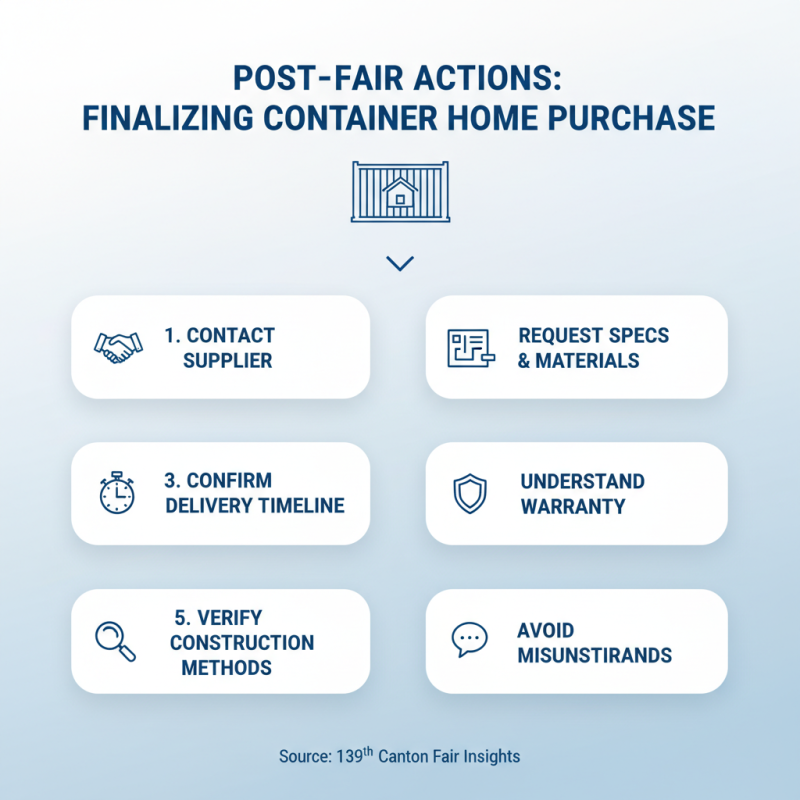
After attending the 139th Canton Fair, you might feel overwhelmed with choices. Once you've decided on a container home, focus on finalizing your purchase. Start by contacting the supplier. Ask for detailed specifications. Verify the materials and construction methods used. Get clarity on delivery timelines. Understand the warranty options available. This step is crucial to avoid misunderstandings later.
Tip: Keep communication clear and concise. If something is unclear, ask questions. Don’t hesitate to express concerns about costs or construction quality. Remember, it’s your investment. Establishing a good relationship with the supplier can help in future negotiations.
Another important aspect is payment. Ensure you understand the payment structure—deposits, installments, and final payments should be laid out in writing. Watch for hidden fees. Reflect on what you can afford and whether the container home meets your needs. You might need to revisit your choices based on these discussions.
Tip: Don’t rush into the payment. Take your time to read the contract in full. Mistakes can be costly. Taking the extra time can save headaches later.