Building Faster | Smarter | Greener

Leave Your Message

China Top Man Camp Housing Suppliers for Global Buyers

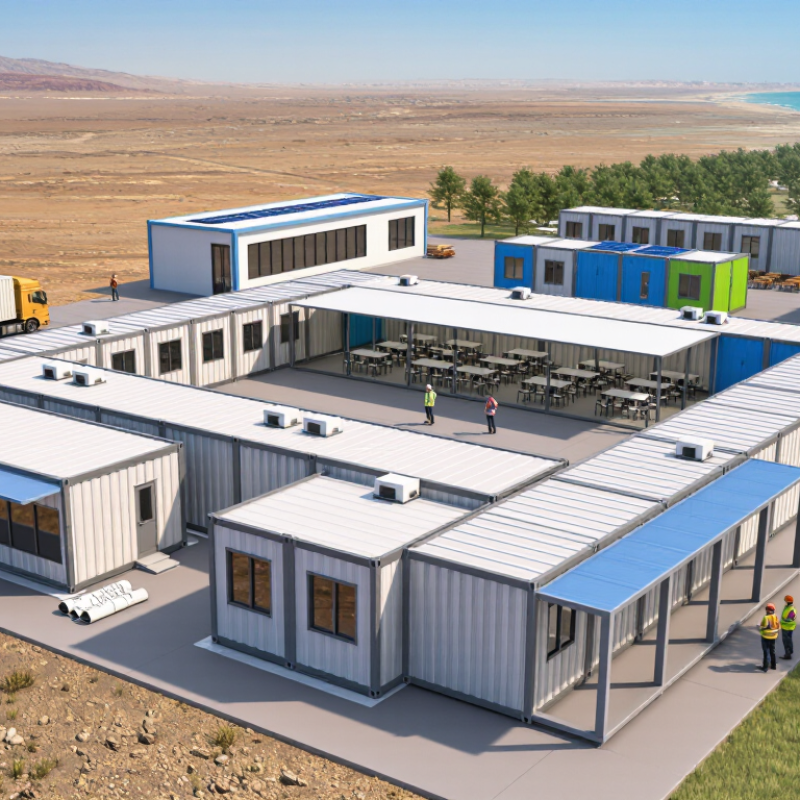
China has become a major sourcing base for modular workforce accommodation and remote-site facilities. China Top Man Camp Housing Suppliers for Global Buyers offer solutions for mining, energy, construction, infrastructure, and emergency projects. Their products may include prefabricated dormitories, dining halls, offices, clinics, sanitation units, and recreation spaces. Each facility serves a practical purpose.

A reliable Man Camp Housing supplier should provide more than attractive factory images. Buyers need verified production experience, clear technical drawings, material specifications, and documented quality procedures. Steel strength, insulation performance, fire resistance, ventilation, plumbing, and electrical systems deserve careful review. Site conditions matter too. A desert camp requires different insulation from a cold northern project. Coastal locations also demand corrosion-resistant materials.

Experienced suppliers can support layout planning, modular customization, factory inspections, packing, transportation coordination, and installation guidance. Their engineers should understand local climate, workforce capacity, maintenance needs, and applicable building requirements. Certifications can support confidence, but they should not replace independent verification. That point is often overlooked.

A trustworthy supplier communicates realistic lead times and identifies possible cost changes early. Samples, prototype rooms, and inspection checklists can reduce misunderstandings before mass production. Still, no supplier is perfect. Drawings may need revision, shipping schedules may shift, and site installation can reveal unexpected problems. Careful buyers leave room for improvement.

The best partnership is measurable and transparent. Global buyers should compare suppliers through references, factory audits, warranty terms, spare-parts support, and after-sales response. With disciplined evaluation, China’s Man Camp Housing manufacturers can deliver comfortable, durable, and efficient accommodation for demanding projects worldwide.
China Top Man Camp Housing Suppliers for Global Buyers

What Is Man Camp Housing and Why Does China Supply It Globally?

Man camp housing is a temporary, modular living system for remote workers. It commonly includes sleeping cabins, dining halls, kitchens, washrooms, offices, and recreation rooms. Units arrive factory-built and connect on prepared foundations. This reduces site labor and shortens installation time.

Demand is rising with mining, energy, infrastructure, and emergency projects in isolated regions. A 2024 industry assessment valued the global modular construction market above USD 90 billion. It also projected continued growth through 2029. China supplies this market because its manufacturing base supports high-volume steel fabrication, insulated panels, electrical systems, and interior fit-outs. Global buyers can request flat-pack or expandable modules, then match layouts to climate and workforce size.

Details matter more than glossy drawings.

Experienced buyers check wind loads, snow loads, fire resistance, ventilation, water treatment, and local electrical codes. A cold-region bedroom needs sealed joints and reliable heating. A humid site needs corrosion protection and mold-resistant interiors. International procurement also requires factory inspections, sample-unit approval, packing plans, and documented quality checks. ISO-based quality systems can improve traceability, but certification alone cannot guarantee field performance. That point deserves more attention.

The lowest quotation may hide transport damage, weak insulation, or costly replacement parts. Buyers should compare total delivered cost, not only the factory price. Site access, customs procedures, spare components, and after-sales response can change the final result. China’s supply advantage is real, but careful technical verification remains essential.

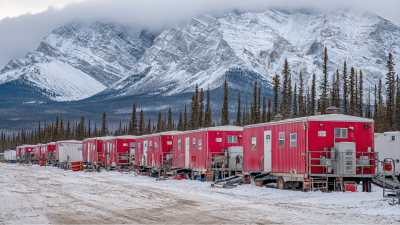
China’s expanding prefabricated-building sector supports the global supply of modular accommodation, including workforce camps, site offices, dormitories, kitchens and sanitary units. Prefabrication can shorten installation time and enable standardized production for projects in remote or rapidly developing locations.

Indicator: completed prefabricated-building floor area in China, 2019–2023. Source: publicly reported Ministry of Housing and Urban-Rural Development industry statistics; values are rounded estimates shown in million square metres.

Key Types of Man Camp Housing Available from Chinese Manufacturers

China’s man camp housing suppliers offer several practical types for international projects.

Modular dormitory units are common for mining, energy, and infrastructure crews. They usually include bunk beds, lockers, lighting, ventilation, and compact work areas. Containerized accommodation provides faster transport and simpler site installation. However, internal space can feel limited.

Expandable units are useful when workforce numbers change. Folded sections open into larger rooms after delivery, reducing shipping volume. Manufacturers also produce dining halls, kitchens, laundry rooms, ablution blocks, offices, and medical cabins. Each module can be connected through covered walkways. This matters during heavy rain or strong winter winds.

Higher-comfort accommodation may include single rooms, family rooms, private bathrooms, and quiet meeting spaces. These options support supervisors, technicians, and long-stay personnel. Chinese factories often adjust insulation, floor loading, electrical systems, and window design for local climates. Buyers should request factory inspection records, material certificates, fire-resistance data, and tested wiring diagrams. Details matter.

A reliable supplier should explain wind loads, snow loads, seismic needs, drainage, and installation procedures clearly. It should also provide spare parts and remote technical guidance. In practice, early drawings are rarely perfect. Site access, soil conditions, or crew habits may require changes. That is normal, but every revision should be documented before production.

How to Evaluate China’s Top Man Camp Housing Suppliers

Evaluate a man camp housing supplier by checking how its units perform as a complete system, not just how polished the brochure looks. Ask for drawings, material specifications, insulation values, fire-safety documentation, and details on electrical and plumbing connections. Compare these with the site climate, workforce size, and transport limits. A unit suited to a mild coastal site may struggle in dusty heat or freezing nights. Request project references with similar conditions, then ask what required repair after handover. Paperwork matters. So does follow-through.

Tips: Ask for a sample-room inspection or a live video walkthrough. Check door seals, floor joints, ventilation noise, and access to service panels. Confirm the quoted scope includes foundations, stairs, installation, and commissioning. Clarify lead times and spare-part availability in writing. If an answer stays vague, note it. That is useful evidence, not a minor detail.

Compare suppliers using the same specification sheet, including warranty exclusions and response times for defects. Review how they handle design changes, quality checks, and delivery damage. A low price can hide missing fittings or unclear site work. Still, the most expensive offer is not automatically safer. Keep a record of questions and decisions; small omissions are easy to overlook when schedules tighten. No checklist catches everything. Revisit assumptions before signing.

Standards, Customization, Pricing, and Delivery for Global Buyers

China’s workforce-camp housing suppliers increasingly serve mining, energy, and infrastructure projects worldwide. McKinsey Global Institute estimated modular construction could create a $130 billion annual market in Europe and North America. That scale rewards disciplined procurement, not attractive brochures.

Buyers should request evidence for ISO 9001 production control, structural calculations, fire ratings, electrical compliance, and lifting-point testing. Local codes still govern installation. A practical specification includes insulated wall panels, washable flooring, emergency lighting, drainage, and tested bathroom modules. UN-Habitat reported in 2022 that 1.6 billion people lacked adequate housing. Worker accommodation therefore needs dignity, ventilation, privacy, and safe access, not only low cost.

Customization affects both price and delivery. Standard 20-foot or 40-foot modules usually reduce tooling and loading costs. Custom kitchens, cold-climate insulation, solar systems, or reinforced floors add engineering hours and inspection points. Ask for a bill of materials, factory acceptance test, packing list, and spare-parts schedule. Pricing should separate factory cost, inland transport, export handling, ocean freight, installation, and local taxes. A cheaper quote can be a false economy. Delivery planning should include prototype approval, production lead time, port congestion, and weather buffers. World Bank logistics data shows that customs, infrastructure, and shipment timeliness strongly influence supply-chain performance. Exact dates remain difficult. That deserves honest discussion.

How to Select and Purchase the Right Man Camp Housing Solution

Selecting man camp housing starts with the worksite, not a catalogue. Estimate peak occupancy, shift patterns, and expected project duration. Then map sleeping, dining, laundry, washroom, and medical areas. A camp for rotating crews may need more shared facilities than a similar-sized permanent workforce. Small details matter. Check local weather, ground conditions, water access, and available power before choosing a layout. In cold regions, inspect insulation and heating specifications; in hot, dusty areas, ask about ventilation, shading, and filter access. Do not buy by bed count alone.

Before placing an order, request drawings, material specifications, delivery schedules, and a clear list of included equipment. Confirm how modules will be transported, connected, and commissioned at the site. Ask who handles installation and what spare parts are practical to keep nearby. If possible, review a completed unit or a full-scale room mock-up. It can reveal awkward door swings or cramped storage that drawings miss. Compare total delivered and operating costs, not just the unit price. The neatest spreadsheet can still miss local site constraints, so have an experienced site manager review the proposal. Put agreed dimensions, finishes, acceptance checks, and warranty terms in writing.