How to Choose the Best Single Container House for Your Needs?
In today's housing market, the allure of a Single Container House has drawn significant attention. Experts like architect Alex Johnson, known for his innovative designs, state, "Single Container Houses can redefine affordable living." The simplicity and sustainability of these homes make them an enticing option for many.
Choosing the best Single Container House involves careful consideration. Key factors include size, location, and design features. It’s easy to get lost in the vast options available. Not all designs will meet your unique needs. Consider what functions are most essential to you and how the layout can serve those functions.
However, challenges can arise in the selection process. One might overlook important details like insulation or local building codes. Each container house tells its own story, reflecting the needs and dreams of its owner. This journey in seeking the perfect home may require you to reflect on your values and lifestyle, ensuring a harmonious choice.
Identifying Your Space and Functional Requirements for a Container House
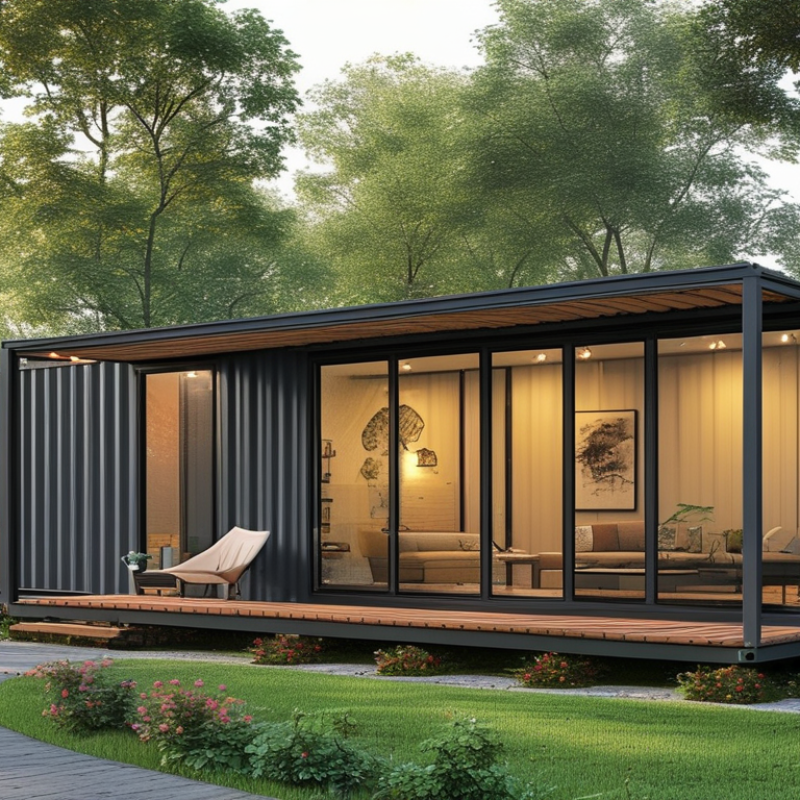
Choosing the right single container house begins with understanding your space and functional requirements. Consider how much room you truly need. Are you accommodating just yourself, or do you require space for family or guests? A smaller container may suffice for a solo living arrangement but can feel cramped quickly if shared.
Next, think about how you plan to use the space. Will it serve as a primary residence, a vacation getaway, or perhaps an office? Each purpose demands different features. For example, a home may need a kitchen and bathroom, whereas a workspace might prioritize an open layout. Identify what is essential and what can be adjusted.
Sometimes, people overlook the importance of natural light and ventilation. Adequate windows can transform a container's interior. Reflect on your local climate as well. A more insulated container helps in extreme temperatures. Balancing your needs with these considerations can lead to a more fulfilling living environment, though it may require some compromise. Not every choice will be perfect, and that's part of the journey in creating your ideal space.
Evaluating Design Options and Aesthetic Preferences for Container Homes
When selecting a single container house, design options play a crucial role. The aesthetic appeal of a container home can significantly impact your living experience. From modern minimalism to rustic charm, the choices are diverse. Think about how colors, textures, and shapes will reflect your personality. Consider integrating large windows for natural light. They can enhance the space but may complicate insulation.
Evaluate both interior and exterior designs. Open floor plans can create a spacious feel, while segmented spaces offer privacy. Personal touches, like customized shelving or unique lighting fixtures, can elevate your home’s style. However, remember that trends come and go. What seems appealing today might lose its charm tomorrow. A timeless design is more sustainable.
Reflect on functionality as well. Will the design meet your daily needs? An aesthetically pleasing exterior may overlook practical aspects. For instance, a beautiful terrace may not be usable if it lacks shade. Balancing beauty and practicality is critical. Make thoughtful decisions that resonate with your needs and lifestyle.
Assessing Budget and Cost-Effectiveness of Container House Models
When considering a single container house, budget and cost-effectiveness are crucial factors. Understanding initial costs is essential. Container homes often appear affordable but reveal hidden expenses. Modifications, land preparation, and utility connections can quickly add up. Assess your financial limits early on to avoid unpleasant surprises.
Evaluate different container house models. Some designs may seem more attractive but can be less practical. Look closely at insulation, durability, and available space. A well-insulated container can reduce long-term energy costs, making it a wiser investment. In contrast, cheaper models might lead to higher heating or cooling bills later.
Research local building codes as well. These can impact your costs significantly. Ensure the chosen design complies. A seemingly budget-friendly option may become a burden if it requires costly adjustments for compliance. Reflect on your lifestyle needs too. Prioritize space and functionality over aesthetics. Balancing these factors ensures a cost-effective decision tailored to your requirements.
Cost-Effectiveness of Single Container House Models
This chart illustrates the estimated costs and energy efficiency ratings of various single container house models. It helps potential buyers assess which container home might offer the best value for their investment.
Considering Climate and Environmental Factors in Container House Selection
When selecting a single container house, climate and environmental factors are critical. Different regions experience various temperatures and seasonal changes. For instance, a report from the International Energy Agency indicates that homes in colder climates need better insulation. This can significantly affect heating costs and comfort levels.
Humidity levels also play a vital role. Areas with high humidity may require moisture-resistant materials to prevent mold. According to the U.S. Department of Agriculture, mold growth can begin within 24-48 hours in damp conditions. Thus, choosing the right paint and sealants becomes essential. Proper ventilation systems are also necessary in these regions to ensure air circulation and comfort.
Wind resistance is another consideration. Container houses may require reinforcements in wind-prone areas. Studies show that buildings should withstand winds of at least 100 mph in such locations. Additionally, solar orientation can influence energy efficiency. A well-placed container house can maximize natural light, reducing energy use. These are aspects often overlooked yet crucial in the decision-making process.
How to Choose the Best Single Container House for Your Needs?
| Factor |
Description |
Importance Level |
| Climate Adaptability |
Ensure the container is suitable for the local climate conditions such as heat, cold, wind, and precipitation. |
High |
| Insulation Quality |
Good insulation is crucial for energy efficiency and comfort within the container house. |
High |
| Material Sustainability |
Consider containers made from recyclable or eco-friendly materials. |
Medium |
| Moisture Resistance |
Select containers that can resist rust and moisture, particularly in humid climates. |
High |
| Energy Efficiency |
Look for designs that allow for natural light and cross-ventilation to enhance energy efficiency. |
High |
| Local Regulations |
Ensure compliance with local building codes and zoning laws regarding container housing. |
High |
| Aesthetic Appeal |
Choose designs that suit your personal style and blend with the surroundings. |
Medium |
Researching Local Building Regulations and Permits for Container Homes
Researching local building regulations is a vital step when considering a container home. Regulations can vary significantly from one area to another. Contact local authorities to understand zoning laws and building codes. Each region has its own guidelines for container structures. Some areas prohibit them entirely, while others may impose specific restrictions.
Here are some tips to help you navigate this process. Begin by checking with your city's planning department. They can provide documents outlining requirements. Look for neighbors who have built similar structures. Their insights can be valuable and may highlight unexpected challenges. Understand the permitting process, as delays can occur. Apply early to avoid project setbacks.
Consider environmental factors, too. Depending on your location, additional permits may be necessary. Flood zones, for instance, may have stringent criteria. Ensure your container is elevated where required. Research common pitfalls others have faced. Perhaps they did not consider insulation needs for colder climates. Learning from their experience can save you time and money.