Top Multiple Container House Designs for 2026 Buyers?
As the demand for eco-friendly living spaces grows, the "Multiple Container House" design shines. Renowned architect Emma Lawson states, "These homes transform urban landscapes into sustainable living environments." This statement encapsulates the spirit of innovation in the container house industry.
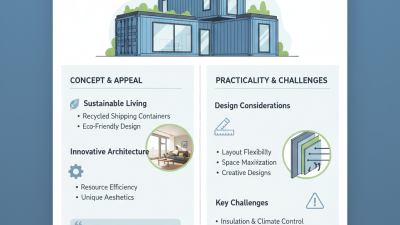
Multiple Container Houses offer versatile designs that appeal to a diverse range of buyers. From modern aesthetics to functional layouts, these homes cater to various lifestyles. They can be stacked, joined, or even modified for a unique appeal. Each design tells a story, reflecting the owner's personality and values. However, the journey to create the perfect container home isn't without challenges.
Buyers often encounter issues like insulation and space optimization. It requires careful planning and creativity. The evolving trends in 2026 suggest a shift toward integration with nature. Emphasizing green technologies demand a rethink of traditional building methods. These homes can indeed be a beacon of sustainability, but it's crucial to consider the details that make them truly livable.
Innovative Trends in Container House Designs for 2026
The demand for container houses continues to rise as we approach 2026. Innovative designs are shaping the way we think about living spaces. One trend is the use of eco-friendly materials. Many designers are now incorporating recycled elements into their structures. This not only reduces waste but also promotes sustainability.
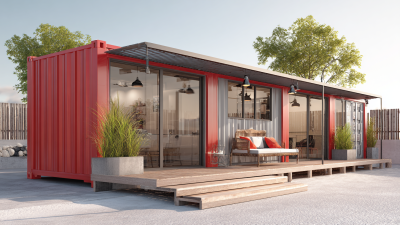
Another exciting aspect is the flexibility in design. Container homes can be customized to fit various lifestyles. Some feature open floor plans, while others include modular units for guests. Outdoor spaces are becoming a focal point, allowing owners to create lounging areas or gardens.
However, there are challenges that need to be addressed. Insulation can be a concern, especially in extreme climates. Some designs may also lack sufficient natural light. These issues urge designers to think outside the box. Balancing aesthetics and functionality is crucial for long-term satisfaction in these innovative living spaces.
Key Features to Look for in Modern Container Homes
When considering modern container homes, focus on key features that make a design functional and appealing. A well-insulated container is essential for temperature control. Look for options with windows that allow natural light. Smart energy solutions, like solar panels, enhance sustainability.
Tip: Choose a design that fits your lifestyle. If you enjoy outdoor spaces, consider a model with decking or balcony areas. The layout should accommodate your daily activities. Open floor plans can create a spacious feel.
Another important aspect is durability. Look for high-quality materials that withstand various weather conditions. A well-built foundation can prevent issues like rust and corrosion over time. Remember, it’s hard to add features later, so plan ahead.
Tip: Visit similar container homes to get a real feel. Note what little details you like or dislike. Use these insights to refine your choices before making a decision. Embrace the unique charm of container living while ensuring it meets your needs.
Sustainable Materials and Eco-Friendly Options for Buyers
As we look towards 2026, the demand for sustainable housing solutions continues to rise. Multiple container house designs are increasingly popular due to their eco-friendly benefits. In fact, studies indicate that the construction sector is responsible for nearly 40% of global carbon emissions. This statistic has prompted many builders to explore innovative materials that have a lower environmental impact.
One noteworthy approach is using reclaimed and repurposed materials in construction. A report from the World Green Building Council states that using such materials can reduce waste by up to 20%. When it comes to container houses, they utilize surplus shipping containers that would otherwise take up space in landfills. These structures offer durability while promoting sustainability, but builders often overlook the importance of insulation. Proper insulation is crucial for energy efficiency and comfort, yet many designs fall short in this area.
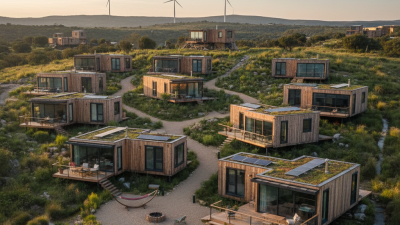
Furthermore, eco-friendly options such as solar panels and green roofs are being integrated into these designs. According to the National Renewable Energy Laboratory, solar panels can lower utility costs by up to 70%. However, these solutions often come with high upfront costs, which can deter some buyers. The challenge lies in balancing eco-friendliness with affordability, ensuring that sustainable living is accessible to all.
Top Multiple Container House Designs for 2026 Buyers
This chart illustrates the increasing preference for sustainable materials and eco-friendly options among buyers of container houses in 2026.
Top Container House Layouts for Small and Large Spaces
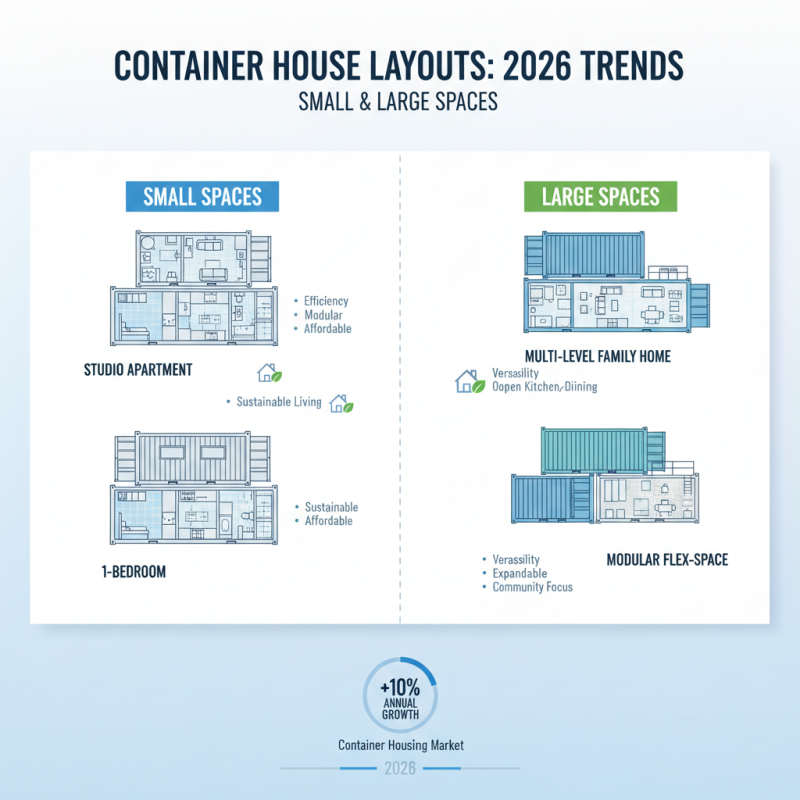
Container houses are gaining popularity for their unique designs and versatility. In 2026, buyers are looking for layouts that efficiently utilize both small and large spaces. According to recent industry reports, the container housing market is expected to grow by over 10% annually. This growth signifies a shift toward sustainable living solutions that appeal to various demographics.
For small spaces, open layouts maximize functionality. Incorporating multi-purpose furniture can transform a compact unit into a livable area. A well-designed kitchen combined with a lounge can create an inviting atmosphere. However, careful attention to placement is crucial. Too many elements can lead to a cramped feel, diminishing the potential of minimalism.
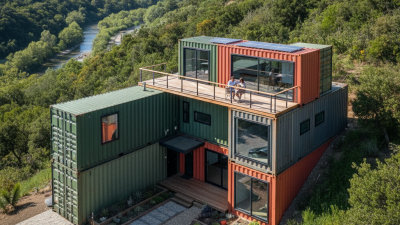
In contrast, larger container homes can embrace distinctive layouts. Featuring multiple shipping containers enables diverse designs, like U- or L-shaped layouts. These configurations allow for expansive living areas, multiple bedrooms, and private outdoor spaces. Industry experts highlight the importance of balancing aesthetics with practical needs. Poorly executed designs can result in wasted space or inadequate natural lighting. Engaging with experienced architects can help mitigate these issues, ensuring that the layout reflects both style and comfort.
Customization and Personalization in Container Home Designs
Customization and personalization are essential in modern container home designs. Buyers in 2026 are looking for unique solutions. The flexibility of container homes allows for innovative layouts. Each container can serve a distinct purpose. This adaptability lets homeowners express their individual styles.
Consider varying details like color schemes and window placements. Custom features like rooftop gardens can enhance appeal. However, not every customization is ideal. Some choices may overlook practical considerations, like insulation. Aesthetic elements should align with function to ensure comfort.
Design trends reflect a shift towards eco-friendly options. Solar panels and sustainable materials are becoming standard. Yet, striking a balance between trendy designs and timeless appeal is crucial. Planning can become challenging. Homeowners must consider their long-term needs alongside immediate desires. Effective personalization can elevate a container house into a true home.
Top Multiple Container House Designs for 2026 Buyers
| Design Style |
Square Footage |
Customization Options |
Sustainability Features |
Price Range |
| Modern Minimalist |
800 sq ft |
Open floor plan, modular layouts |
Solar panels, rainwater harvesting |
$50,000 - $70,000 |
| Eco-Friendly Retreat |
1,200 sq ft |
Custom landscaping, eco-materials |
Green roofs, natural insulation |
$80,000 - $100,000 |
| Luxury Container Villa |
2,000 sq ft |
High-end finishes, smart home features |
Energy-efficient systems, recycled materials |
$150,000 - $250,000 |
| Family-Friendly Layout |
1,500 sq ft |
Kids' play area, storage solutions |
Water conservation fixtures, low-VOC paints |
$90,000 - $120,000 |
| Compact Urban Living |
600 sq ft |
Multi-functional furniture, balcony options |
Energy-efficient appliances, composting |
$40,000 - $60,000 |