How to Choose the Best Flat Pack Containers for Your Needs?
When choosing Flat Pack Containers, understanding your needs is crucial. The global flat pack container market is projected to grow at a CAGR of 5.6% over the next five years, according to a recent industry report. This growth reflects increasing demand for efficient storage solutions across various sectors.
Flat Pack Containers offer flexibility and convenience. Their design allows for easy transport and storage when not in use. However, not all containers are created equal. Some are designed for light items, while others can handle heavy loads. Assessing the specific requirements of your business is key. A mismatched container can lead to inefficiencies and increased costs.
Consider factors such as durability, size, and material. For instance, a cardboard option might work for short-term use, but heavy-duty plastic or metal containers are better for lasting strength. Balancing needs with available options can be challenging. It's essential to reflect on what works best over the long term.
Understanding Your Storage Needs for Flat Pack Containers
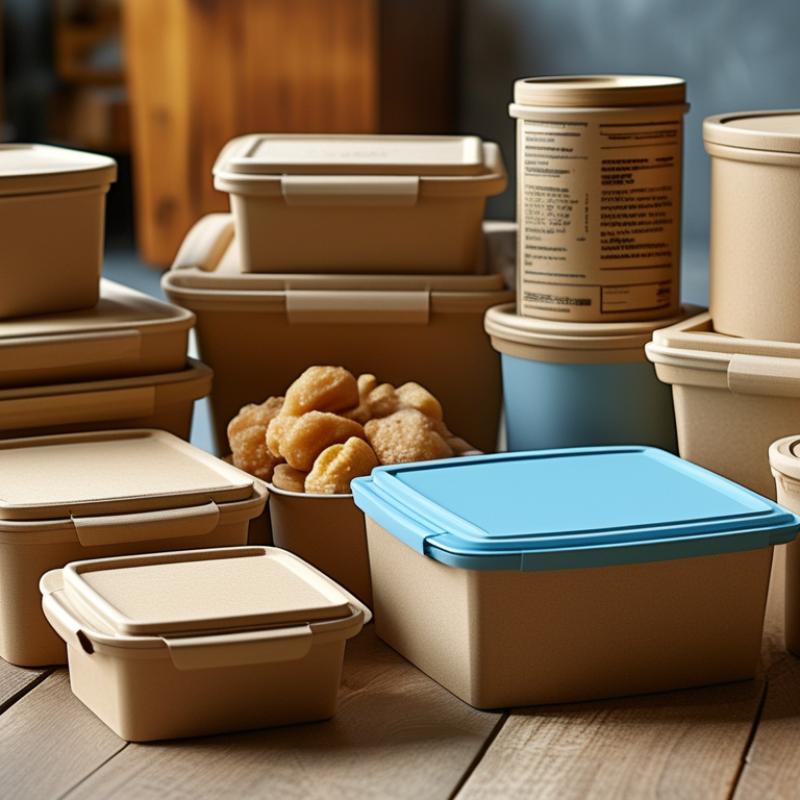
Understanding your storage needs is the foundation for selecting the best flat pack containers. Consider the types of items you plan to store. Are they bulky, small, or fragile? Each category requires a different container design and material. For example, heavy tools need sturdy, durable containers, while clothing benefits from breathable options.
Think about your available space as well. Measure your shelves or storage areas before making a decision. Flat pack containers come in various sizes and shapes. Choosing the wrong dimensions can lead to wasted space or difficulty fitting your items. It’s crucial to visualize how you will use these containers daily.
Assessing how often you access stored items is also essential. If you need frequent access, clear, stackable containers work best. In contrast, if items remain untouched, you can opt for more compact or opaque options. Reflect on the aesthetics too; a cluttered space can impact overall mood and functionality. Balancing practicality with visual appeal can take time, but it's worth the effort.
Exploring Different Types of Flat Pack Containers Available
Flat pack containers come in various types tailored for specific needs. Understanding these options can greatly enhance your storage and organizational capabilities. For instance, stackable containers are ideal for maximizing vertical space. A recent report from the International Container Trade shows that stackable designs can increase operational efficiency by up to 30%. This is valuable for warehouses or studios needing efficient space use.
Another popular type is collapsible containers. They offer versatility in storage, allowing easy assembly and disassembly. Research indicates that these containers save up to 65% in storage costs when not in use. This flexibility is particularly useful for businesses that require dynamic inventory solutions.
It's essential to consider material choice as well. Plastic containers are lightweight and resistant to moisture, while cardboard is eco-friendly but not as durable. The choice ultimately depends on your specific needs, such as weight capacity and environmental concerns. Make sure to analyze the pros and cons of each type, as there can be unforeseen challenges in durability and maintenance.
Flat Pack Containers Type Comparison
This chart displays the durability ratings for various types of flat pack containers. Durability is scored from 1 to 10, where a higher score indicates greater sturdiness and reliability for storage needs.
Evaluating Material Quality and Durability of Containers
When evaluating flat pack containers, material quality and durability are crucial. Different industries rely on various materials, each with unique properties. A study by the International Journal of Packaging Technology revealed that heavy-duty plastic containers often withstand impacts better than cardboard. However, plastic may not always be biodegradable, raising sustainability concerns.
Consider the requirements of your specific application. For example, food-grade containers must meet safety standards to avoid harmful chemical leaching. Research indicates that containers made from high-density polyethylene (HDPE) exhibit excellent resistance to chemicals and moisture. However, they may not be as sturdy under extreme temperature variations. It’s important to balance durability with safety and environmental impact.
Additionally, pay attention to construction and design. Reinforced corners can enhance a container’s strength, but they may increase production costs. Reports from the Packaging Association indicate that investing in quality materials tends to reduce long-term replacement expenses. Weighing these factors carefully helps ensure your chosen containers will perform well over time, even if that means spending more upfront.
How to Choose the Best Flat Pack Containers for Your Needs? - Evaluating Material Quality and Durability of Containers
| Container Type |
Material |
Durability Rating |
Water Resistance |
Ideal Use Case |
| Plastic Bin |
Polypropylene |
High |
Yes |
Storage and organization |
| Cardboard Box |
Recycled Paper |
Medium |
No |
Lightweight storage |
| Wooden Crate |
Pinewood |
High |
Yes |
Heavy-duty applications |
| Glass Jar |
Borosilicate Glass |
High |
Yes |
Food storage |
| Fabric Tote |
Cotton Canvas |
Medium |
No |
Everyday carrying |
Assessing Size and Capacity Requirements for Your Space
When selecting flat pack containers, assessing size and capacity is crucial. Measure your available space accurately. Consider both height and width to ensure a snug fit. Think about how much you need to store. This will guide you in choosing the container that meets your requirements.
Assessing your needs involves reflecting on your storage habits. Do you often find yourself short on space? Or do you have items that can be stored more compactly? If you have larger seasonal items, opt for spacious containers. On the other hand, smaller boxes might be suitable for everyday items.
It’s also wise to consider the flexibility of the containers. Can they be stacked? Will they fit in various locations around your space? These factors affect usability. Balancing size with functionality is an ongoing challenge. Make adjustments based on what works best for you, and don’t hesitate to reassess as your needs evolve.
Comparing Cost-Effectiveness and Value of Various Options
When selecting flat pack containers, cost-effectiveness and value should guide your decision. According to a 2021 report by Market Research Future, the global market for packaging is projected to grow by 3.3% annually. This growth highlights the importance of choosing options that provide both durability and affordability. Often, lower-priced containers sacrifice quality. For instance, containers made from thinner materials may not withstand long-term use, leading to additional replacement costs.
Considering material options is crucial. Many consumers overlook the differences between plastic, cardboard, and biodegradable choices. A 2020 study from Packaging Strategies noted that high-quality plastic containers can last up to five times longer than cardboard, despite higher upfront costs. Therefore, while plastic may seem more expensive, its longevity can offer greater value over time.
When deciding, evaluate your specific needs. Reflect on what you will store and how often containers will be used. For infrequent usage, lower-cost options may suffice. However, if containers will see daily use, prioritizing durability pays off. Pay attention to details like stackability and ease of assembly. These factors can improve your overall storage experience. It's vital to find a balance between cost and functionality while remaining mindful of environmental impacts.