How to Choose the Best Prefab Classrooms for Your Needs?
Choosing the right prefab classrooms can significantly impact educational environments. According to the National Institute for Standards and Technology, the prefab classroom market is expected to grow by 30% over the next five years. This growth highlights the increasing demand for flexible and cost-effective educational solutions.
Dr. Emily Richards, a leading expert in modular education, emphasizes, “Prefab classrooms offer customizable options that traditional buildings often lack.” This statement reflects a significant shift in how schools approach infrastructure. Schools need spaces that adapt quickly to changing needs, especially in today’s fast-paced educational landscape.
However, not every prefab classroom is created equal. Schools must prioritize quality and functionality. There are common pitfalls to avoid, such as overlooking insulation standards or failing to consider accessibility. In an industry where choices are abundant, making informed decisions is more critical than ever. Ensuring long-term value while meeting immediate needs remains a key challenge for educational institutions.
Understanding Prefab Classrooms and Their Advantages
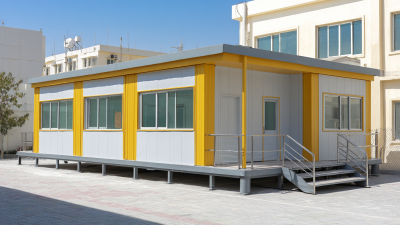
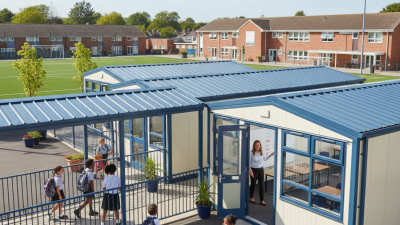
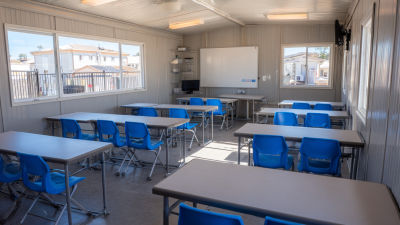
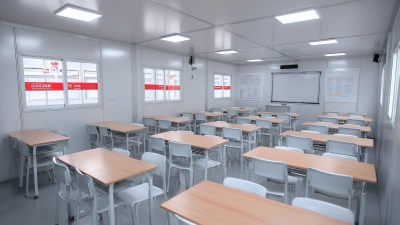
Prefab classrooms have gained popularity due to their many advantages. They offer a flexible solution for educational institutions facing space shortages. These structures can be built quickly and efficiently. This speeds up the process of accommodating students and staff.
One notable advantage is their cost-effectiveness. Schools can save money compared to traditional construction methods. Additionally, prefab classrooms often come with modern amenities. This makes them an appealing option for various educational needs. However, not all prefab options are created equal. Some may lack durability or aesthetic appeal, requiring careful selection.
It’s essential to evaluate the specific needs of a school. Consider factors like student capacity and intended use. Some prefab classrooms might not suit every educational approach. Future expansion plans should also be reflected in the choice. Engaging with experts can provide insights into the best options available.
How to Choose the Best Prefab Classrooms for Your Needs? - Understanding Prefab Classrooms and Their Advantages
| Dimension |
Value |
| Size (sq ft) |
600 |
| Capacity (students) |
15-25 |
| Construction Time (weeks) |
6-8 |
| Cost Range ($) |
30,000 - 50,000 |
| Energy Efficiency Rating |
A+ |
| Lifespan (years) |
30 |
| Customization Options |
High |
| Sustainability Features |
Recycled Materials, Solar Panels |
Assessing Your Space and Location Requirements
When selecting a prefab classroom, understanding your space and location is essential. Consider the size of your available area. This will dictate the dimensions of the classroom you can install. For instance, a smaller space limits options to compact designs. You might also need outdoor access depending on your needs. Proximity to utilities like electricity and water influences installation complexity.
Evaluate your location requirements carefully. Is the area flat and accessible? A challenging site can increase installation costs. Additionally, consider the local climate. Insulation and ventilation are vital for maintaining comfort year-round. In colder regions, you will need classrooms that retain heat effectively. In contrast, warmer areas may benefit from designs focused on natural cooling.
Remember zoning laws and building codes in your area. Compliance can add to the complexity of your project. There may be restrictions on size, height, or even materials used. It’s worth doing the research to avoid future headaches. Reflect on these aspects before making a decision. The wrong choice can lead to costly adjustments.
Choosing the Right Prefab Classrooms: Space and Location Requirements
Evaluating Different Prefab Classroom Designs and Materials
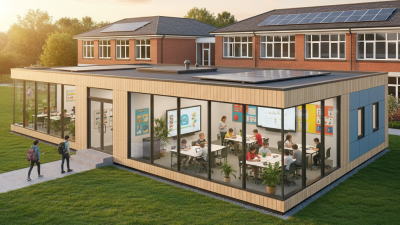
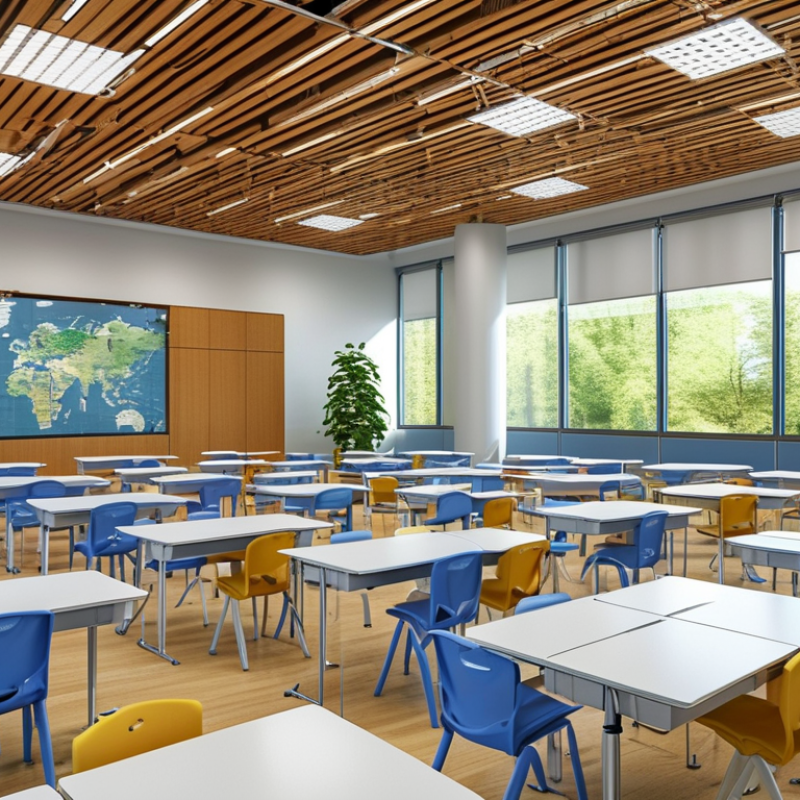
When evaluating different prefab classroom designs, consider the layout and functionality. Open floor plans may encourage collaboration, while traditional layouts can enhance focus. Each design has its advantages. Look for options that allow natural light to enter. This will create a more cheerful learning atmosphere. Ventilation is also key. Proper airflow contributes to a healthy environment for students.
Materials play a crucial role in durability and safety. Classroom walls must be sturdy and provide adequate insulation. Consider using eco-friendly materials. They not only contribute to sustainability but can also improve indoor air quality. Windows should be made from safe, shatterproof glass to ensure student safety.
Reflection on your specific needs is vital. Assess the average class size, teaching methods, and technological needs. Flexibility in design can accommodate future changes easily. The importance of community input should not be overlooked. Engaging teachers, parents, and students helps identify priorities that matter most for effective learning.
Budget Considerations for Prefab Classrooms
When considering prefab classrooms, budget is a crucial factor. Many schools face tight funding and need efficient solutions. A comprehensive budget includes costs for the classroom, delivery, set-up, and ongoing maintenance. Opting for a cheaper model might seem appealing, but hidden costs can arise. For instance, lower-quality materials can lead to quicker deterioration and higher long-term expenses.
Assessing your budget also requires understanding local regulations. Some districts impose additional fees for permits or infrastructure updates. It’s vital to consult the right channels to avoid unexpected costs. You might find that investing in better insulation or energy-efficient materials pays off over time. An initial investment could enhance comfort and lower energy bills.
Moreover, the design can affect pricing significantly. Modular shapes may cost less but limit customization affecting learning environments. Consider how classroom layout impacts teaching and student engagement. Prioritizing the right features within your budget is essential, ensuring both functionality and value. Reflecting on your choices can reveal areas of improvement in future projects.
Regulatory and Compliance Factors for Prefab Classrooms
When choosing prefab classrooms, regulatory and compliance factors are paramount. Local zoning laws dictate where these structures can be built. It’s essential to consult with officials in your area. Many regions have specific requirements for safety, accessibility, and environmental impact. Understanding these regulations early can save time and resources.
Building codes should also guide your decision. Prefab classrooms must meet certain standards for materials, construction methods, and safety features. Look for details like fire ratings and structural integrity. Inspecting certifications can help verify compliance. This step builds trust in the quality of the classroom.
Engaging a professional can clarify complex regulations. However, relying solely on experts can create gaps in understanding. It’s crucial to actively participate in the process. Awareness of your community's specific needs should shape your choices. Remember, what works in one area may not apply elsewhere. Balancing compliance with unique requirements can present challenges, but it leads to better outcomes in the long run.