How to Choose the Best Prefabricated Houses in 2026?
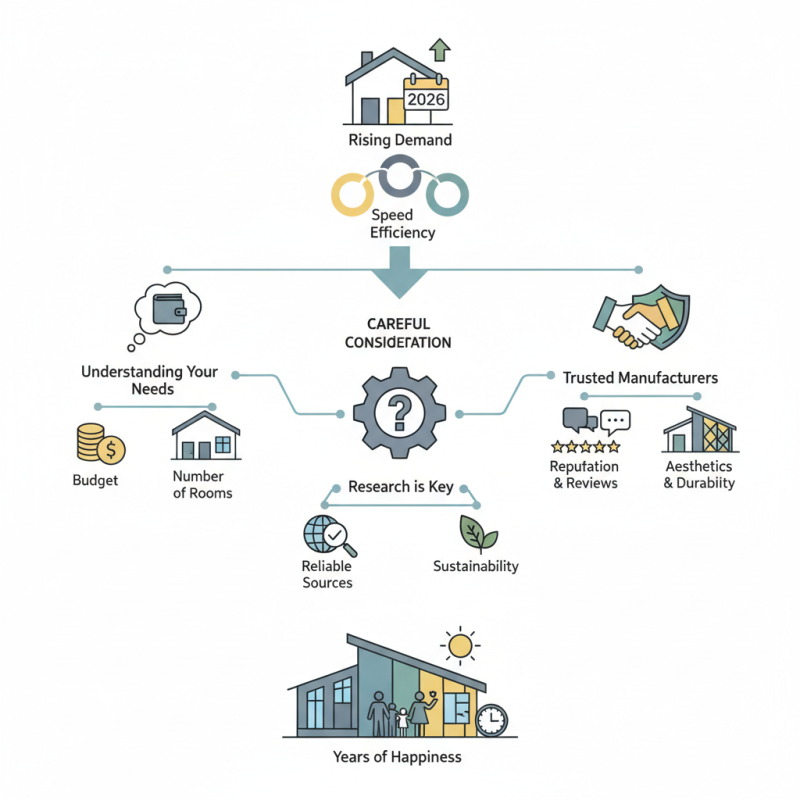
In 2026, the demand for prefabricated houses is set to rise. These homes offer speed, efficiency, and affordability. However, selecting the best prefabricated houses requires careful consideration. Different styles, materials, and designs can lead to overwhelming choices.
Understanding your needs is crucial. What is your budget? How many rooms do you need? Each decision shapes your satisfaction. Many overlook essential factors, leading to regrets later on. Research is key; reliable sources provide insights into quality and sustainability.
While the options are vast, it is vital to focus on trusted manufacturers. Check their reputation and customer reviews. A well-crafted prefabricated house should marry aesthetics with durability. Don't rush; take the time to reflect on what suits your lifestyle. The right choice can lead to years of happiness in your new home.
Factors to Consider When Choosing Prefabricated Houses
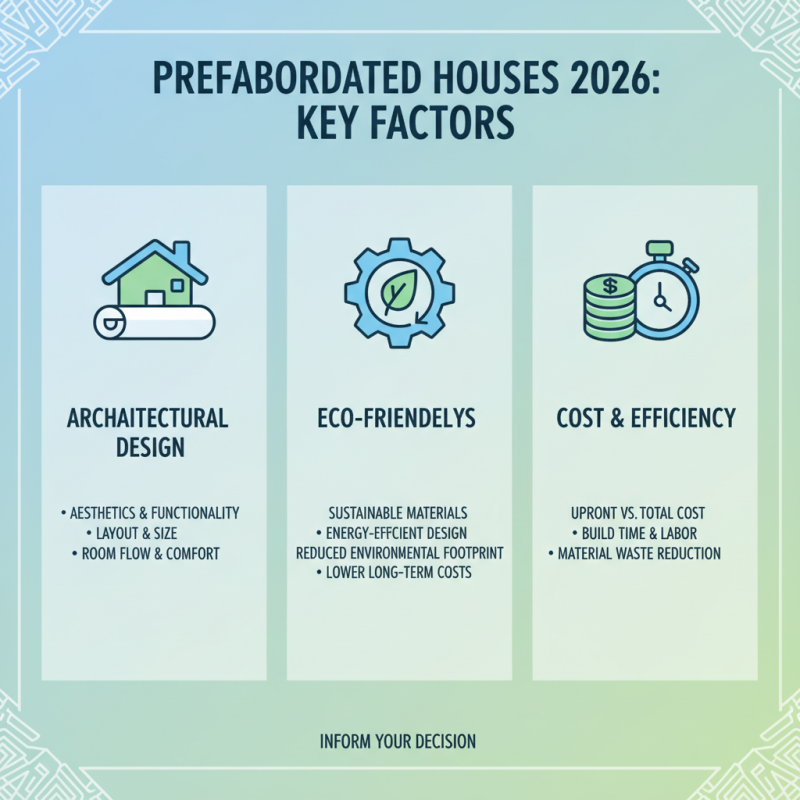
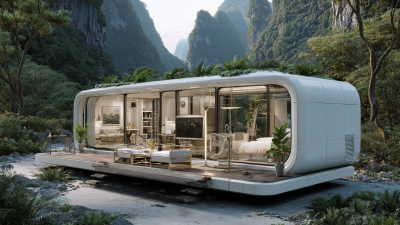
When considering prefabricated houses in 2026, several essential factors significantly impact your decision. Architectural design is vital; it dictates both aesthetics and functionality. Evaluate the layout, size, and flow of rooms to ensure comfort. Additionally, eco-friendliness cannot be overlooked. Sustainable materials and energy-efficient designs reduce environmental footprints while lowering long-term costs.
Tips: Look for modular houses that utilize recycled materials. Inspect certifications confirming sustainability practices.
Cost is another crucial factor. Compare the total cost of ownership, including installation and maintenance. Sometimes, lower upfront costs lead to higher long-term expenses. Hidden fees in transportation or land preparation can surprise you. Be thorough in your budget planning to avoid regrets later.
Tips: Always acquire a detailed quote from builders. Don’t hesitate to ask for clarify on any costs you don’t understand.
Lastly, location matters. Ensure the land is suitable for your prefabricated home. Assess zoning regulations and community guidelines. Understanding the local environment helps prevent future legal issues. The last thing you want is to be caught off guard by land use restrictions. Evaluate flood zones or other environmental hazards as well.
Tips: Consult local planners or experienced homeowners about their experiences. They can offer insights that save you headaches.
Types of Prefabricated Houses Available in 2026
In 2026, the market for prefabricated houses presents various options. These houses cater to different budgets and needs. A recent report from the National Association of Home Builders indicated that the demand for prefabricated homes is expected to grow by 20% over the next few years. This trend suggests that more people are considering these efficient housing solutions.
One notable type is modular homes. These homes are built in sections and assembled on site. They typically offer better energy efficiency and customization options. Another option is panelized homes, which use pre-cut framing and walls. This type can reduce construction time significantly. A study from the Housing Innovation Hub reveals that panelized homes can be completed 30% faster than traditional builds.
Tiny homes are also gaining popularity. Their compact design helps reduce costs and environmental impact. The tiny home movement encourages individuals to rethink their living spaces. It promotes a minimalist lifestyle that resonates with many today. However, some may find zoning laws challenging. Also, limited space can pose challenges for families. Each type of prefabricated house has its pros and cons, requiring careful consideration.
Key Features and Materials for Modern Prefabricated Homes
When choosing a prefabricated home in 2026, understanding key features and materials is crucial. Modern prefabricated houses emphasize sustainability. Reports indicate that 70% of buyers prefer energy-efficient homes. Materials like cross-laminated timber (CLT) are gaining popularity. CLT has a lower carbon footprint and superior insulation properties compared to traditional materials.
Another essential aspect is modular design. Prefabricated homes offer customizable layouts. This flexibility allows for efficient use of space. Over 55% of consumers desire homes tailored to their needs. However, it's important to balance creativity with practicality. Unique designs can sometimes compromise structural integrity. Attention must be paid to local building codes and regulations.
Quality control is also a vital consideration. Research shows that homes built in controlled factory settings have fewer defects. Yet, not all manufacturers follow the same standards. Verifying certifications can ensure reliability. Homebuyers should ask for transparency in the manufacturing process to avoid potential issues down the line.
Key Features of Prefabricated Houses in 2026
This bar chart illustrates the key features that are important when choosing prefabricated houses in 2026. Each feature is rated on a scale of 1 to 10 based on its importance, where sustainability and construction speed rank the highest.
Cost Considerations for Prefabricated Housing Options
When considering prefabricated houses, cost is a crucial factor. According to a recent report by the National Association of Home Builders, the average cost of prefabricated homes is about 10-20% less than traditional homes. This is due to lower labor costs and shorter construction times. Prefabricated options can range widely in price. Some models start at around $50,000, while custom designs can exceed $200,000.
Financing can also impact cost. Many banks offer favorable loan terms for new prefabricated homes. Data suggests that over 60% of buyers choose loans with lower down payments for these homes. This can make ownership more accessible for many people. Additionally, maintenance costs tend to be lower in prefabricated houses, with energy-efficient features becoming standard. However, not every option will fit all budgets. It’s essential to scrutinize what’s included in the base price.
Buyers need to reflect on their long-term needs. Costs such as land preparation and utility connections can add thousands to the final price. It’s wise to account for these expenses in the budget. Ultimately, understanding the full financial picture ensures a more successful purchase decision.
How to Choose the Best Prefabricated Houses in 2026? - Cost Considerations for Prefabricated Housing Options
| Option Type |
Average Cost ($) |
Square Footage (sq ft) |
Energy Efficiency Rating |
Customization Options |
| Single-Story Flat |
$150,000 |
1,200 |
A+ |
Medium |
| Two-Story Home |
$250,000 |
2,000 |
A |
High |
| Eco-Friendly Model |
$200,000 |
1,500 |
A++ |
High |
| Tiny House |
$75,000 |
400 |
B |
Low |
| Modular Multi-Family Unit |
$500,000 |
3,000 |
A+ |
High |
Sustainability and Energy Efficiency in Prefabricated Designs
When selecting a prefabricated house in 2026, sustainability and energy efficiency are critical. The construction industry is shifting towards eco-friendly materials and designs. According to the International Energy Agency, buildings account for about 40% of global energy consumption. By choosing energy-efficient designs, homeowners can significantly reduce their energy bills and environmental impact.
Tips: Look for homes made from sustainable materials. Options like bamboo and recycled steel are gaining popularity. Additionally, inspect energy ratings for appliances. High-efficiency products can lead to substantial energy savings.
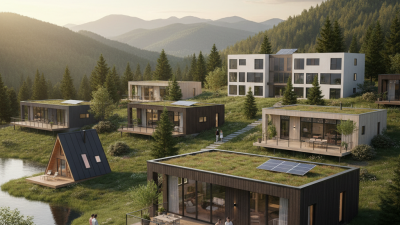
Many prefabricated designs now include features like solar panels and green roofs. These elements enhance energy efficiency and promote biodiversity. However, it's important to research the long-term performance of these solutions. Not all designs perform equally over time. Make informed decisions based on trustworthy data and expert reviews.
Consult architectural studies and sustainability reports to find reliable information. The U.S. Green Building Council shows that green buildings can reduce energy use by up to 30%. This data can guide you in making sustainable choices. Understanding the impact of your decisions on the environment is vital for future generations.