What Makes Container Casa the Best Choice for Global Buyers?
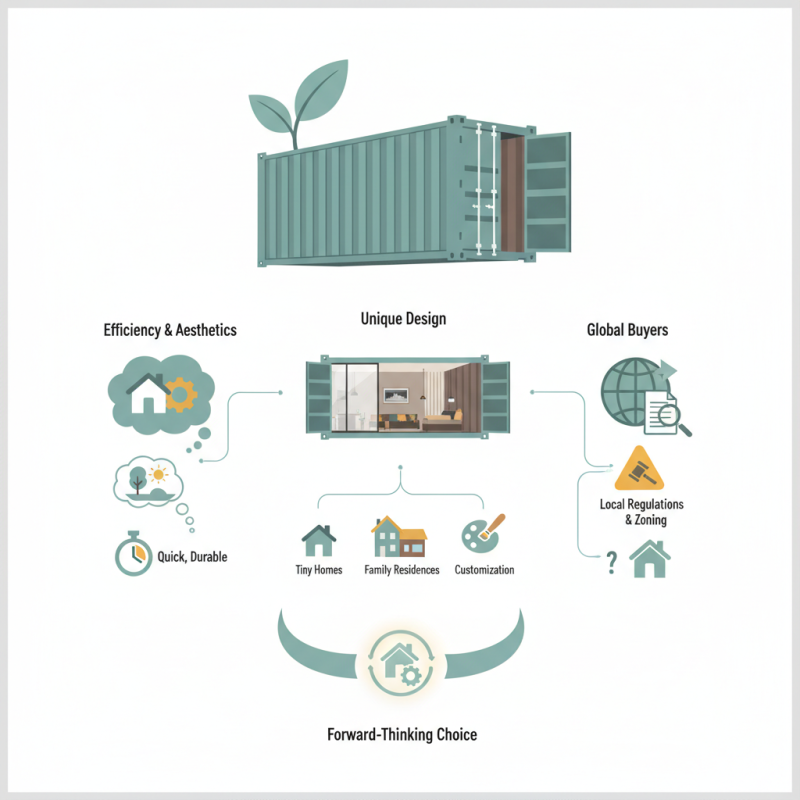
Container Casa has emerged as a leading choice for global buyers seeking innovative housing solutions. Industry expert Dr. Sarah Johnson, a renowned architect specializing in sustainable design, states, “Container Casa combines efficiency with modern aesthetics.” This fusion appeals to eco-conscious consumers and those wanting quick, durable living spaces.
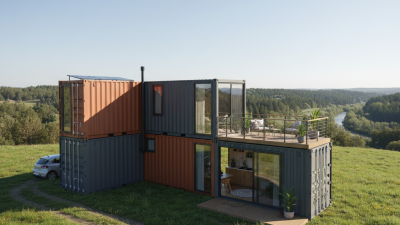
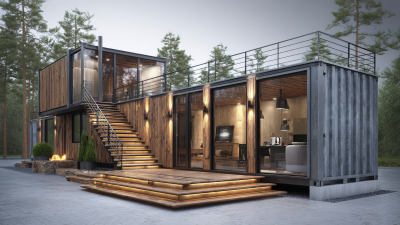
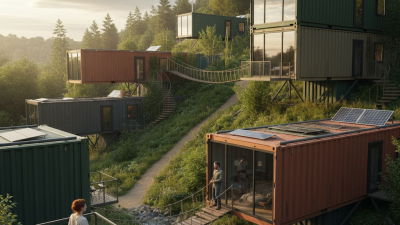
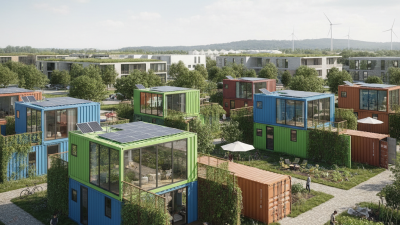
The unique design of Container Casa stands out. Constructed from repurposed shipping containers, these homes are not only affordable but also environmentally friendly. Buyers appreciate the versatility. They can customize these spaces, making every unit unique. From tiny homes to larger family residences, Container Casa offers options for everyone.
However, potential buyers must consider local regulations and zoning laws. This aspect can complicate purchasing. While Container Casa provides a remarkable solution, awareness of legalities is crucial. Ultimately, Container Casa represents a forward-thinking choice, blending sustainability and design for today's lifestyle.
Key Features of Container Casa That Attract Global Buyers
Container Casa stands out for its versatility and practical design. Buyers appreciate how it adapts to various climates and uses. These structures can serve as homes, offices, or even cafes. Their modular nature allows easy customization to meet diverse needs.
When choosing a container home, consider the insulation quality. Proper insulation ensures comfort in extreme weather. Many buyers overlook this aspect. Tip: always inquire about insulation details. Look for materials that enhance energy efficiency. This detail can significantly impact your cost savings.
Sustainability is another key feature that attracts global buyers. Container Casa emphasizes eco-friendly materials and construction methods. This appeals to environmentally conscious consumers. However, not all options are truly sustainable. Tip: research the materials used in the construction. Verify their environmental impact before making a decision. Your choice matters for the planet.
Sustainability Practices in Container Casa Construction
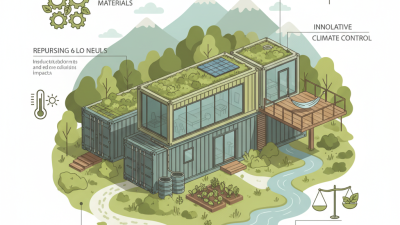
Container Casa emphasizes sustainability in construction through innovative practices that significantly reduce environmental impact. According to the World Green Building Council, buildings account for 39% of global carbon emissions. By using recycled shipping containers, Container Casa minimizes waste and promotes circular economy principles. This approach not only conserves resources but also creates affordable housing solutions for communities worldwide.
Studies show that sustainable construction can lead to energy savings of up to 30%. Container Casa employs energy-efficient designs that leverage natural light, reducing reliance on artificial lighting. They also incorporate insulation materials that maintain comfortable indoor temperatures. This reduces energy consumption and contributes to lower utility bills.
Tips: Choose materials wisely. Recycled materials can enhance sustainability. Understand your local climate. Tailoring designs to local conditions improves energy efficiency significantly. Always evaluate the lifecycle of your building materials for a more sustainable future. Small steps can lead to meaningful changes in the construction industry.
Global Sustainability Practices in Container Construction
Cost-Effectiveness: Value for Money with Container Casa
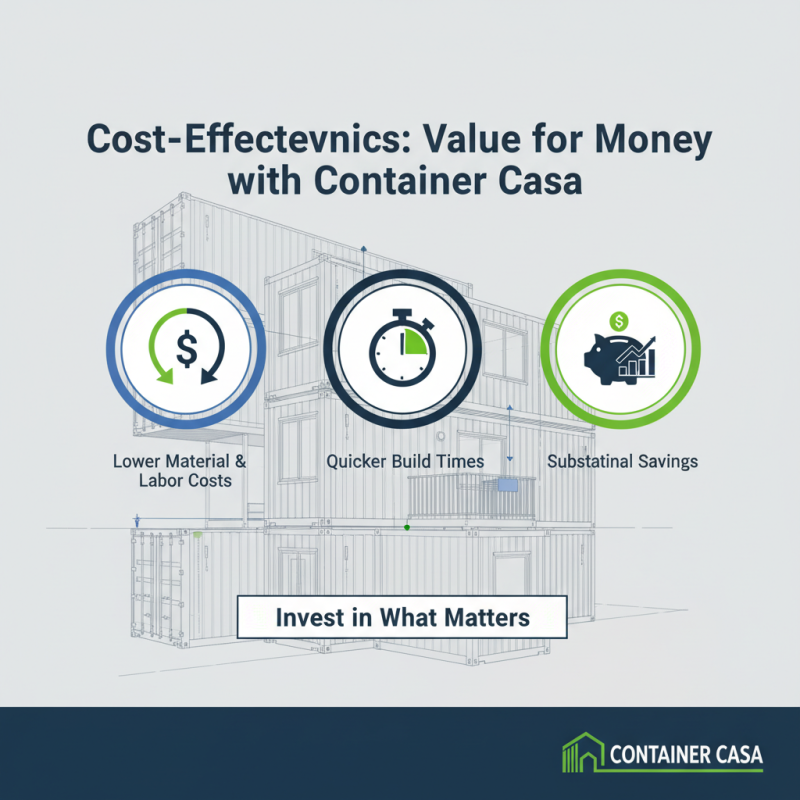
Cost-effectiveness is a vital factor for global buyers considering container homes. These innovative structures often provide substantial savings compared to traditional construction methods. They come with lower material costs and reduced labor expenses. Moreover, they offer quicker build times. Such efficiency allows buyers to invest their resources in other essential aspects.
Many buyers find that container homes require fewer ongoing maintenance costs. Their durable materials resist harsh weather better than conventional options. This increased longevity translates to long-term savings. However, buyers must also consider local regulations. Some regions may have restrictions regarding container homes. It’s essential to research thoroughly before making a decision.
Investing in container homes isn't without challenges. Some designs may require significant modifications for comfort. Insulation, plumbing, and electrical systems can create extra expenses. Buyers should weigh these factors carefully. Ultimately, understanding the total cost against the benefits is crucial. That way, one can truly appreciate the value for money offered by container homes.
Customization Options Available for International Clients
Container living has surged in popularity, particularly among global buyers seeking tailored solutions. Customization options are crucial for meeting diverse international demands. A recent industry report indicates that nearly 75% of buyers prioritize personalized features when selecting container homes. This trend stems from the desire for unique design and functionality.
Clients can choose various elements, including layout, size, and interior finishes. Adjustable features cater to regional climates and cultures. For example, clients in cold environments might prefer enhanced insulation and heating options. On the other hand, clients in warmer climates could opt for energy-efficient cooling systems. These customizable features play an essential role in ensuring satisfaction.
Tips: Consider contacting experts who specialize in container modifications. Detailed discussions about local regulations and requirements will help maintain compliance. Staying informed about market trends can also lead to more innovative design choices. Do not overlook the importance of aesthetic preferences. Reflection on past choices can lead to better decisions moving forward.