Why Choose Container Living for Sustainable Housing Solutions?
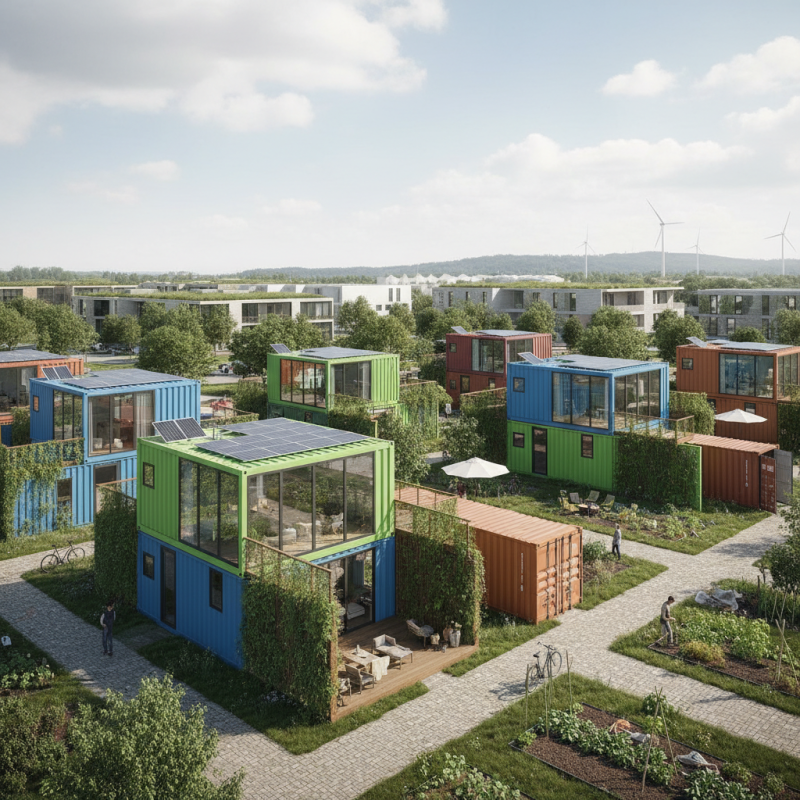
Container Living offers innovative solutions for sustainable housing. With environmental concerns rising, more people seek eco-friendly alternatives. This trend is evident in urban areas, where traditional housing often contributes to pollution and waste.
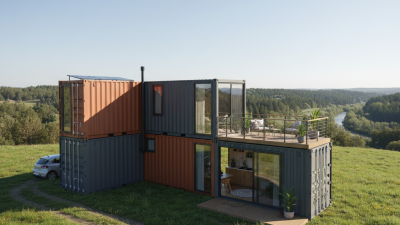
Container Living uses shipping containers to create homes. These structures are durable, affordable, and versatile. They can be transformed into unique residences with minimal environmental impact. However, some may view them as temporary or unconventional spaces. Yet, many consider these dwellings a creative answer to housing shortages.
Embracing Container Living requires a shift in mindset. It challenges perceptions of what a home should be. This housing option fosters community and sustainability. As we explore its potential, we must address shortcomings and rethink our living spaces.
Understanding Container Living: An Overview of Sustainable Housing
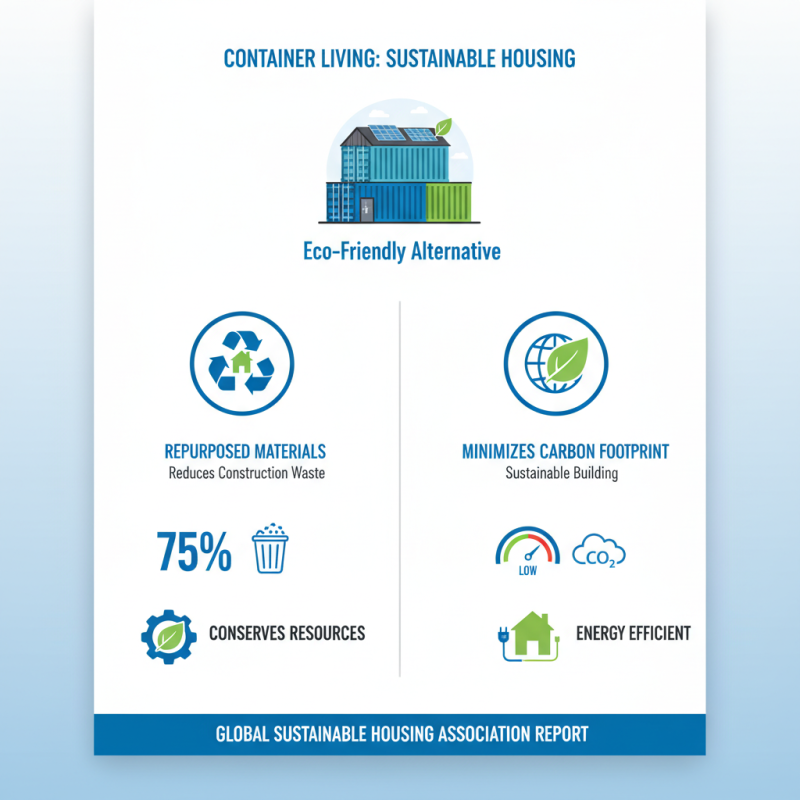
Container living is rapidly gaining popularity as a sustainable housing solution. These structures are made from repurposed shipping containers, offering a unique alternative to traditional homes. According to a report from the Global Sustainable Housing Association, using shipping containers can reduce construction waste by up to 75%. This process not only conserves resources but also minimizes the carbon footprint associated with building a new home.
While container living presents promising opportunities, challenges remain. It's crucial to ensure proper insulation and ventilation. Poor design can lead to uncomfortable living conditions. Additionally, buyers must consider local zoning laws, which may affect where they can place these homes. Some areas might not accept container homes at all.
**Tip:** Always consult with local authorities before planning your container home project. Engage with professionals familiar with the regulations in your area.
Sustainably managing utilities can also be a concern. Many container homes install solar panels and rainwater harvesting systems. Yet, these features often require upfront investment. A 2022 study by the Housing Innovation Institute found that initial costs for solar solutions can deter potential homeowners. However, long-term savings can offset these expenses.
**Tip:** Explore financing options for sustainable upgrades. This can make a significant difference in your project budget.
The Environmental Benefits of Using Shipping Containers for Homes
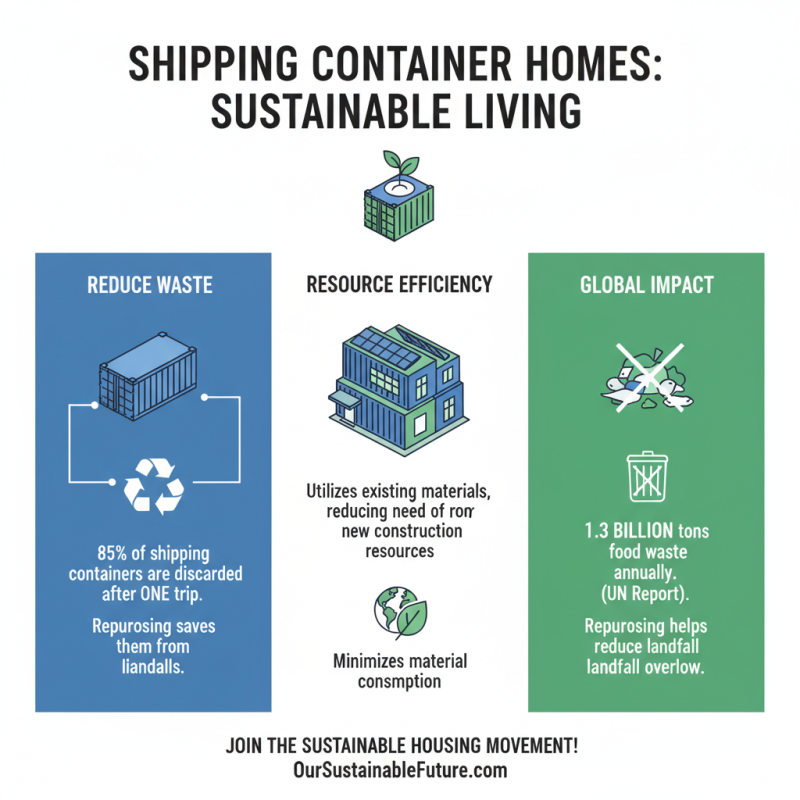
Shipping container homes are gaining popularity as a sustainable housing solution. An estimated 85% of these containers are discarded after one trip. Utilizing them can significantly reduce waste and promote resource efficiency. According to a report by the United Nations, about 1.3 billion tons of food waste is produced annually. Repurposing shipping containers can help address this problem by minimizing material consumption and landfill overflow.
Moreover, container homes can have a lower carbon footprint. Research suggests that constructing a traditional home produces around 80 tons of CO2 emissions. In contrast, building with steel containers can cut these emissions by 50%. This reduction is critical as the World Resources Institute highlights that buildings contribute to nearly 40% of global energy-related CO2 emissions. However, it’s essential to note that not all container conversions are eco-friendly. Insulation and finishing materials can sometimes negate these benefits if not chosen wisely.
Additionally, while container living offers many perks, challenges exist. For example, temperature control can be tricky. Containers can become hot in summer and cold in winter. Proper insulation and design are crucial to mitigate this issue. Not all regions have codes that support container homes, creating potential regulatory hurdles. These factors require careful planning and consideration to ensure that container living fulfills its promise of sustainability.
Cost-Effectiveness: Comparing Container Homes to Traditional Housing Solutions
Container homes are increasingly recognized for their cost-effectiveness compared to traditional housing options. According to the National Association of Home Builders, the average cost of building a conventional home is about $300,000. In contrast, container homes can be constructed for as little as $10,000 to $50,000, significantly reducing initial investment.
Moreover, container homes often require fewer resources. Traditional houses use vast amounts of lumber and other materials. Container homes, being repurposed structures, minimize waste. A study from McKinsey estimates that reducing material use could lower construction costs by 10% to 20%. However, planning and zoning laws can complicate container home setups. Many areas lack clear regulations for these innovative structures, causing potential delays and added costs.
While energy efficiency is a significant selling point, insulation standards in container homes are variable. Without proper insulation, heating and cooling costs can rise. Additionally, container living might not suit everyone’s aesthetic preferences. The industrial look appeals to some but can deter others. Financial savings and sustainability are compelling, yet it's crucial to assess local regulations and personal tastes carefully.
Design Flexibility and Customization Options in Container Architecture
Container architecture offers remarkable design flexibility and customization options. This adaptability enables homeowners to tailor their living spaces to meet specific needs. Imagine a compact home designed with large windows that bring in natural light. You could choose vibrant colors for the exterior, setting your container apart in the neighborhood.
Customization goes further than aesthetics. Interior layouts can be adjusted to maximize space. An open-plan kitchen and living area create a warm gathering space for family and friends. Alternatively, you might opt for distinct rooms, each serving a unique purpose. However, finding the perfect balance can be challenging.
Some may struggle with the functionality of their designs. What if the space feels cramped or overwhelming? Reflection is key here. Evaluate what works and what doesn’t in your layout. Adjustments can lead to better use of space and improved comfort. Container living is not just about the structure. It’s about creating a home that resonates with your lifestyle.
Challenges and Solutions in Establishing Container-Based Communities
Container living presents a unique approach to sustainable housing. However, there are challenges in establishing container-based communities. One major issue is zoning laws. Local regulations often do not recognize shipping containers as legitimate housing. This can lead to delays in construction and increased costs. It's crucial to understand local laws before starting a project.
Design flexibility is another challenge. While container homes can be creative and innovative, they often require specialized skills. Not every builder is equipped to handle container modifications. In some cases, this can result in poorly designed homes. Collaborating with experienced professionals is vital for success.
**Tips:** Focus on community input. Residents should voice their opinions on designs and layouts. This helps to create a sense of ownership. Another tip is to consider sustainability practices. Incorporating solar panels and rainwater harvesting can enhance the community's eco-friendliness. Always be prepared for adjustments and feedback during the process. This attitude fosters improvement.
Container Living: Sustainable Housing Solutions