Are Iso Container Homes the Future of Affordable Housing?
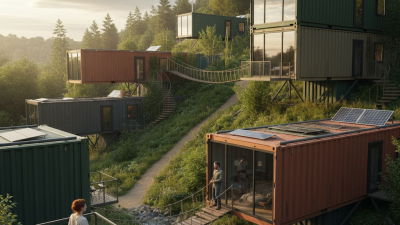
In recent years, the concept of Iso Container Homes has emerged as a promising solution to affordable housing. Experts like Dr. Lisa Huang, an architect specializing in sustainable living, state, "Iso Container Homes can revolutionize urban housing." This innovative approach combines cost-effectiveness with environmental sustainability.
The use of repurposed shipping containers opens up new avenues for housing design. These homes can be built quickly and are often more affordable than traditional structures. However, challenges remain. Not everyone is ready to embrace this unconventional style of living.
Dr. Huang emphasizes the need for community acceptance and urban planning integration. Many still view Iso Container Homes as temporary solutions. Reflecting on public perception is vital for progress in this industry. With the right vision and support, Iso Container Homes could indeed play a crucial role in addressing housing crises.
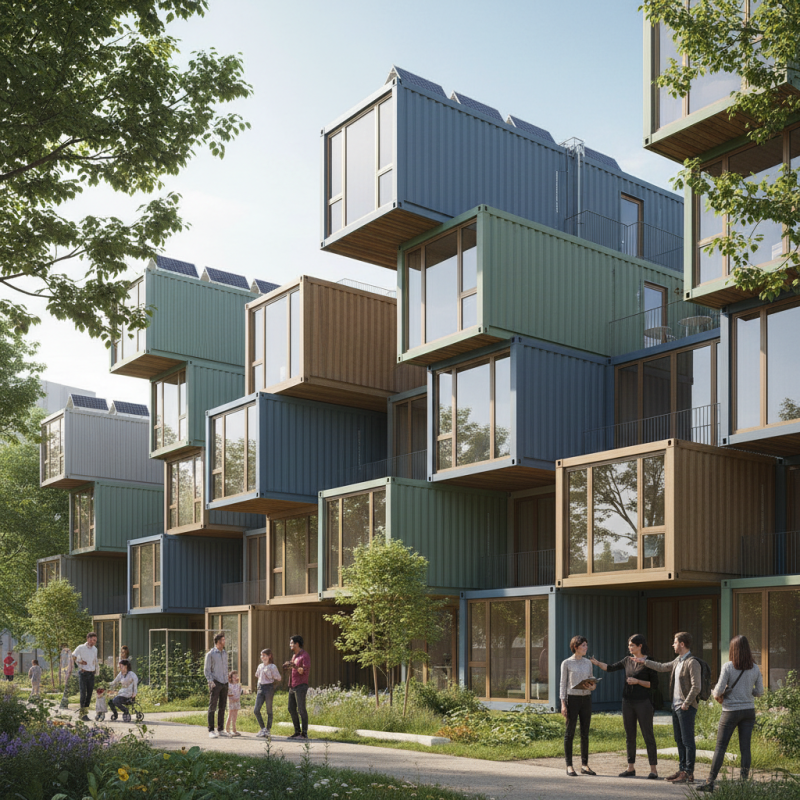
Overview of Iso Container Homes as a Housing Solution
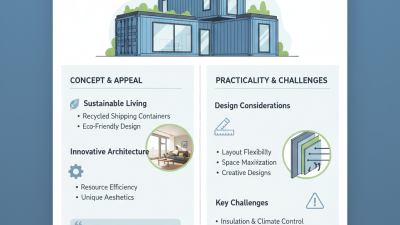
Iso container homes are gaining attention as a viable solution for affordable housing. The global housing crisis has left millions in need. Traditional building methods can be slow and costly. In contrast, container homes offer a quicker and often cheaper way to create livable spaces. A report from the World Economic Forum indicates that container construction can be completed up to 50% faster than conventional methods.
These homes have several appealing features. They are durable, modular, and can be customized to fit various needs. A study by the National Institute of Building Sciences suggests that container homes can reduce construction costs by 30-40%. However, there are challenges. Insulation and climate control are critical in these homes. In colder climates, proper insulation is vital to ensure comfort and energy efficiency. Many builders emphasize the importance of proper design to address these issues.
Container homes might not suit everyone. Some regions have strict zoning laws that complicate their use. Additionally, there’s a perception issue; some view these homes as temporary or substandard. To drive acceptance, education and outreach are vital. Ongoing research and case studies can shed light on best practices. As interest grows, further exploration of container homes may reveal innovative solutions for the housing crisis.
The Advantages of Iso Container Homes Compared to Traditional Housing
Iso container homes are gaining traction as a viable solution for affordable housing. These structures offer unique advantages over traditional homes. One significant benefit is cost efficiency. According to a report from the International Organisation for Migration, building with containers can reduce costs by up to 50%. This reduction stems from lower material and labor expenses.
Flexibility is another advantage. Container homes can be easily modified and relocated. Their modular nature makes it possible to adapt designs for different needs and locations. Furthermore, they are constructed quickly, often in just a few weeks. This fast turnaround addresses urgent housing shortages effectively.
Tips: When considering an Iso container home, evaluate your local regulations. Some areas may have stringent zoning laws. Also, assess insulation and energy efficiency. Containers can become hot in summer and cold in winter without proper treatment. Reflecting on these factors is crucial for creating a comfortable and sustainable living environment.
Are Iso Container Homes the Future of Affordable Housing? - The Advantages of Iso Container Homes Compared to Traditional Housing
| Feature |
Iso Container Homes |
Traditional Homes |
| Cost |
30% - 50% less expensive |
Higher construction costs |
| Construction Time |
Weeks |
Months |
| Sustainability |
High - Recycled materials |
Variable |
| Mobility |
Easily relocatable |
Fixed location |
| Design Flexibility |
Highly customizable |
Limited |
| Durability |
Very high |
High, but variable |
Challenges and Limitations of Iso Container Homes
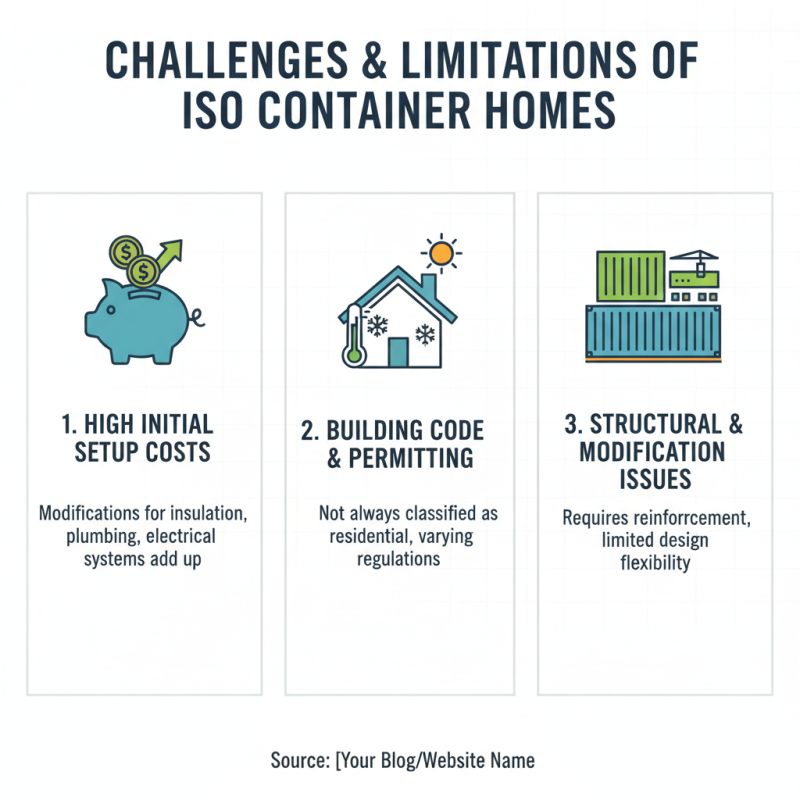
Iso container homes have gained popularity as a potential solution to affordable housing problems. However, several challenges limit their widespread adoption. First, while these homes are often touted for their cost-effectiveness, initial setup costs can be significant. Modifications for insulation, plumbing, and electrical systems add up quickly.
Moreover, zoning regulations pose a considerable hurdle. Many areas have stringent building codes that make it difficult to place container homes. These regulations may not account for the unique structure of a shipping container. There’s also a perception issue; some people associate these homes with temporary shelters. This stigma can deter communities from embracing them.
Environmental concerns also arise. While recycling containers is a sustainable choice, building practices can still harm local ecosystems. Without careful planning, container homes might disrupt natural habitats. Additionally, insulation challenges can lead to uncomfortable living conditions during extreme weather. This requires extra measures to ensure livability, which can further complicate the project.
Case Studies: Successful Iso Container Home Projects
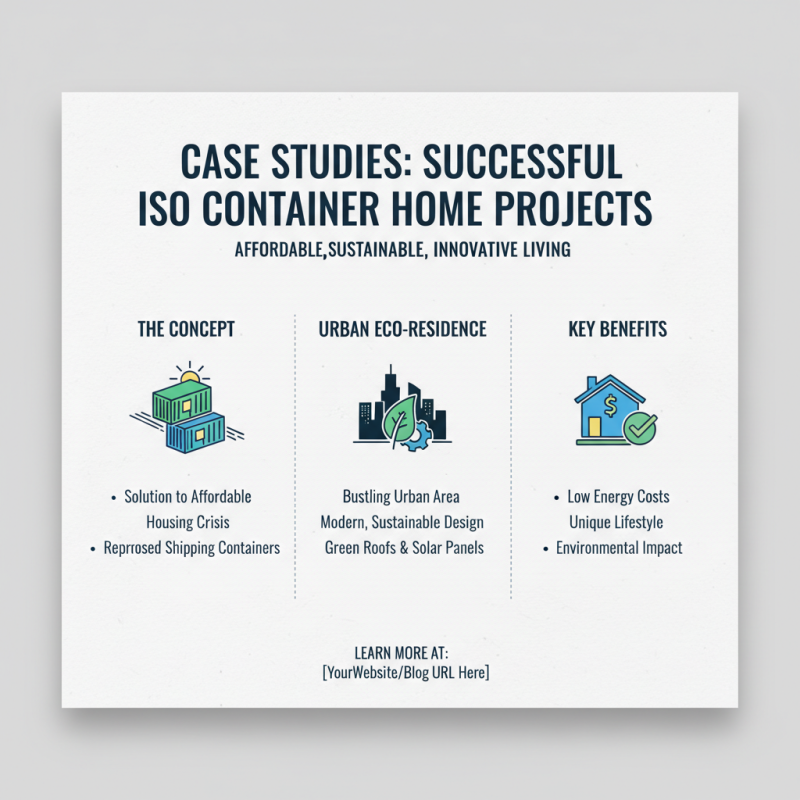
Iso container homes have gained attention as a potential solution to the affordable housing crisis. Various successful case studies demonstrate their viability. One notable project transformed shipping containers into modern, sustainable living spaces. Located in a bustling urban area, this development features green roofs and solar panels, promoting eco-friendliness. Residents benefit from low energy costs and a unique lifestyle.
However, challenges exist. Many container homes lack adequate insulation and weatherproofing. In colder climates, this can lead to comfort issues. Additionally, zoning laws and building codes often complicate the approval process for these innovative structures. There is also the potential stigma around living in a container, which might deter some individuals.
Despite these hurdles, the creativity displayed in container home designs is inspiring. Architects are pushing boundaries, crafting stylish interiors with smart layouts. Community-oriented projects show how container homes can foster connections among residents. As more case studies emerge, it’s crucial to weigh successes against the obstacles that remain. Innovations could pave the way for a more inclusive housing future.
Future Trends in Iso Container Housing Development
Iso container homes are gaining traction in the affordable housing market. According to a report by the World Economic Forum, the global housing crisis affects over 1.6 billion people. This urgency drives developers to explore innovative solutions like container housing. A recent survey revealed that 75% of architects believe these structures can address housing shortages effectively.
Container homes offer numerous benefits. They are durable, eco-friendly, and relatively inexpensive. The average cost to build a container home is about 20% lower than traditional homes. However, not all locations are suitable for these structures. Some cities still lack clear zoning regulations for container homes. This creates uncertainty for potential buyers and developers.
Design versatility is another appealing aspect of Ios container homes. They can be customized for various living spaces, from single units to multi-family buildings. On the flip side, there are challenges. Insulation and energy efficiency remain critical concerns. A study indicated that improper insulation can lead to uncomfortable living conditions. As the industry evolves, addressing these issues will be vital for its long-term success.
Trends in Iso Container Homes Adoption (2018-2023)