Are Prefab Houses the Future of Affordable Housing Solutions?
As the housing market continues to face challenges, the search for affordable solutions has become increasingly urgent. Prefab houses have emerged as a promising alternative. Industry expert Dr. Jane Thompson, a leading architect in sustainable design, states, “Prefab houses not only reduce construction costs but also minimize waste.” Her insights highlight the potential of prefabricated homes to drive innovation in affordable housing.
Prefab houses, constructed off-site and assembled on location, offer numerous financial advantages. These homes can be built faster and with less material waste than traditional houses. They cater to diverse needs, from single-family homes to multifamily units. As urban populations grow, the demand for efficient housing is critical. However, challenges remain. Public perception and financing models still pose barriers, underscoring the need for awareness and adaptability.
While prefab houses present a viable solution, they are not a one-size-fits-all answer. Local regulations and community acceptance must be considered. Not every region is ready to embrace this change. As conversations around sustainable living gain traction, the future of prefab houses remains uncertain. More dialogue is necessary to bridge gaps and promote understanding of this innovative housing solution.
Understanding Prefab Houses: Definition and Key Characteristics
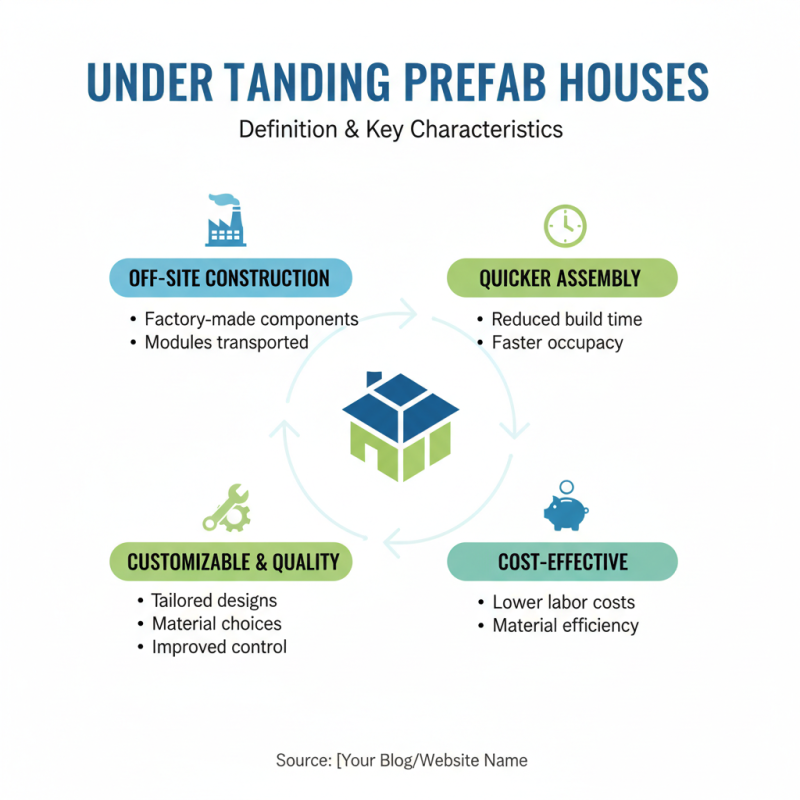
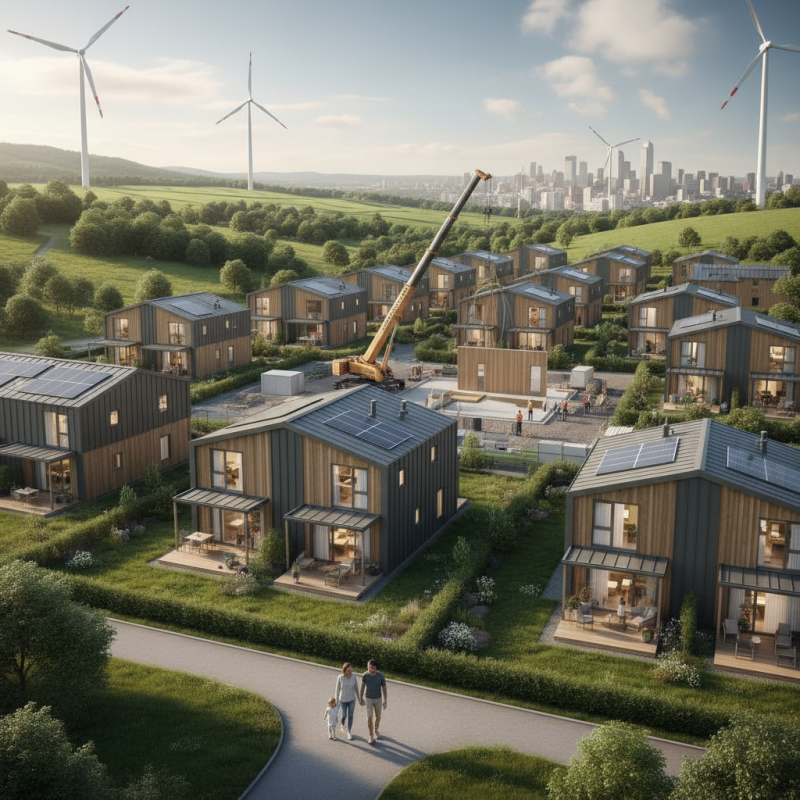
Prefab houses are gaining attention as a viable solution for affordable housing. These structures are manufactured off-site in a factory setting. This method allows for quicker assembly and often reduces costs. Prefab homes can be customized, allowing buyers to choose layouts, materials, and finishes to fit their needs. The standardization of components can also lead to improved quality control compared to traditional building methods.
Key characteristics of prefab houses include their modular design and energy efficiency. Modular elements are transported to the building site for assembly. Many designs incorporate sustainable materials and energy-efficient technologies. This not only helps the environment but can also lower utility bills for homeowners. However, potential buyers should consider the resale value and long-term durability of prefab homes.
While prefab housing offers many benefits, there are challenges. Local zoning laws can limit where these homes can be placed. Some people may also have preconceived notions about their quality. It’s important for buyers to research and understand both the advantages and limitations of prefab housing. Careful consideration will lead to better decision-making for future living arrangements.
The Rise of Prefab Housing: Historical Context and Current Trends
Prefab housing, or prefabricated homes, has gained significant traction in recent years. This trend is driven by the need for affordable housing solutions. According to a report by the Modular Building Institute, the prefab market is expected to grow by 25% annually. This rise reflects changing consumer preferences and economic pressures.
Historically, prefab homes were often viewed as subpar alternatives to traditional houses. However, recent designs challenge this perception. Modern prefab houses now combine aesthetics and functionality. Reports suggest that they can minimize construction waste by up to 90%. This environmentally friendly aspect adds to their appeal, making them a viable option for conscious consumers.
Tip: When considering a prefab home, assess local zoning laws. These regulations can greatly influence what types of homes can be built. Understanding your options ensures a smoother buying process.
Despite their benefits, challenges remain. Some consumers still have misconceptions about prefab quality. Additionally, financing for these homes can sometimes be complicated. Potential buyers must be vigilant in researching lenders who understand prefab housing.
Tip: Engage with local builders who specialize in prefab construction. Their expertise can provide valuable insights and help navigate potential hurdles.
Are Prefab Houses the Future of Affordable Housing Solutions?
| Dimension |
Description |
Current Trend (%) |
Projected Growth (%) |
| Affordability |
Cost-effective building solutions |
65% |
20% |
| Sustainability |
Eco-friendly materials and practices |
70% |
25% |
| Speed of Construction |
Reduced time compared to traditional builds |
80% |
30% |
| Design Flexibility |
Customizable layouts and styles |
75% |
15% |
| Market Adoption |
Increased acceptance in urban developments |
60% |
22% |
Cost Analysis: Are Prefab Houses Truly Affordable?
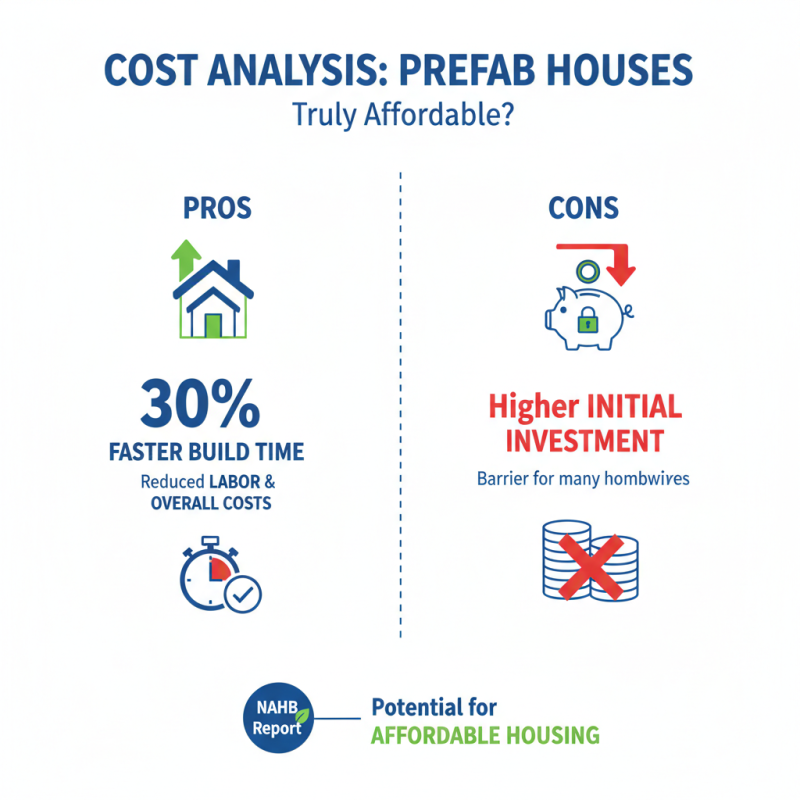
Prefab houses are gaining attention for their potential in affordable housing. A report from the National Association of Home Builders (NAHB) states that prefab construction can reduce building time by 30% compared to traditional methods. This reduction not only cuts labor costs but also lowers overall expenses. However, the initial investment for prefab homes can be a barrier for many.
According to a study by the Urban Land Institute, while the average cost of prefabricated homes is about $100 to $200 per square foot, the total cost might still be influenced by high land prices and site preparation fees. Additionally, some consumers are hesitant about quality. Prefab homes may lack the customizations that conventional homes offer. This can lead to a trade-off between affordability and personal preferences.
Cost analysis in this sector shows a mixed picture. Some reports indicate that energy-efficient designs in prefab homes can lead to lower utility bills over time. Yet, if upfront costs are not managed well, these savings may not be enough to sway potential buyers. The future of prefab houses as affordable solutions remains a subject of scrutiny and reflection.
Sustainability and Efficiency: Environmental Benefits of Prefab Homes
Prefab homes are gaining attention for their environmental benefits. They are built in controlled factories, reducing waste significantly. This method allows for better resource management. With efficient design, these homes often use sustainable materials. Many prefab homes utilize recycled components. This can lessen the carbon footprint.
Energy efficiency is another key advantage. Prefab homes are often designed with energy conservation in mind. Their construction can include superior insulation, reducing heating and cooling costs. Some designs integrate solar panels, harnessing renewable energy. However, not all prefab homes achieve these benefits equally. Some may overlook vital aspects, such as proper orientation for sunlight.
Accessibility is a critical issue as well. While prefab homes can be cheaper, they still may not be within everyone's reach. The affordability depends on location and land costs, which can vary dramatically. Sustainable living should be available to all, but disparities still exist. These challenges call for innovation in both design and accessibility.
Challenges and Considerations in Adopting Prefab Housing Solutions
Prefab houses present a unique solution for affordable housing. However, adopting this model comes with various challenges. One major issue is local regulations. Many municipalities have strict codes that prefab homes may struggle to meet. This can delay projects and increase costs.
Additionally, the perception of prefab homes remains a hurdle. Many potential buyers associate these houses with lower quality. The stigma can affect market demand. Overcoming this requires effective education about their benefits and longevity.
Supply chain issues also complicate production. Fast production times are often countered by delays in materials. Unforeseen circumstances, like natural disasters, can impact delivery schedules. This variability makes it difficult for builders to streamline processes. Exploring innovative solutions is essential for the future of prefab homes.
Challenges and Considerations in Prefab Housing Adoption