Top Prefab Houses in China for Global Buyers?
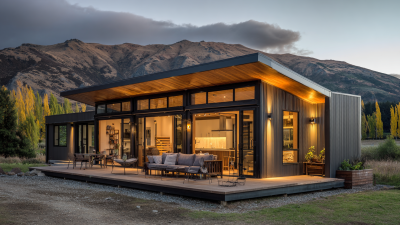
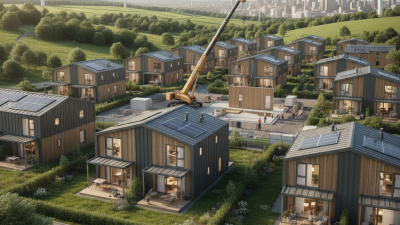
Prefab Houses have gained immense popularity in China, attracting global buyers with their unique designs and efficiency. These homes offer a modern solution to housing, blending aesthetics with functionality. They are built with precision and can be customized to meet various preferences.
The rise of Prefab Houses reflects a shift in how we perceive residential living. Their construction involves innovative materials, which significantly reduce waste. While many see them as the future of housing, there are some challenges. Quality control and durability remain concerns for buyers considering these options.
Despite these uncertainties, the appeal of Prefab Houses is undeniable. They provide quicker setups and often come with eco-friendly features. This movement suggests a new trend in sustainable living. As we explore the top Prefab Houses in China, it becomes clear that the market is evolving. Each design holds promise and potential for global homeowners.
Top Prefab House Models Gaining Popularity Among International Buyers
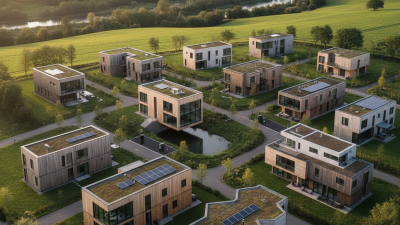
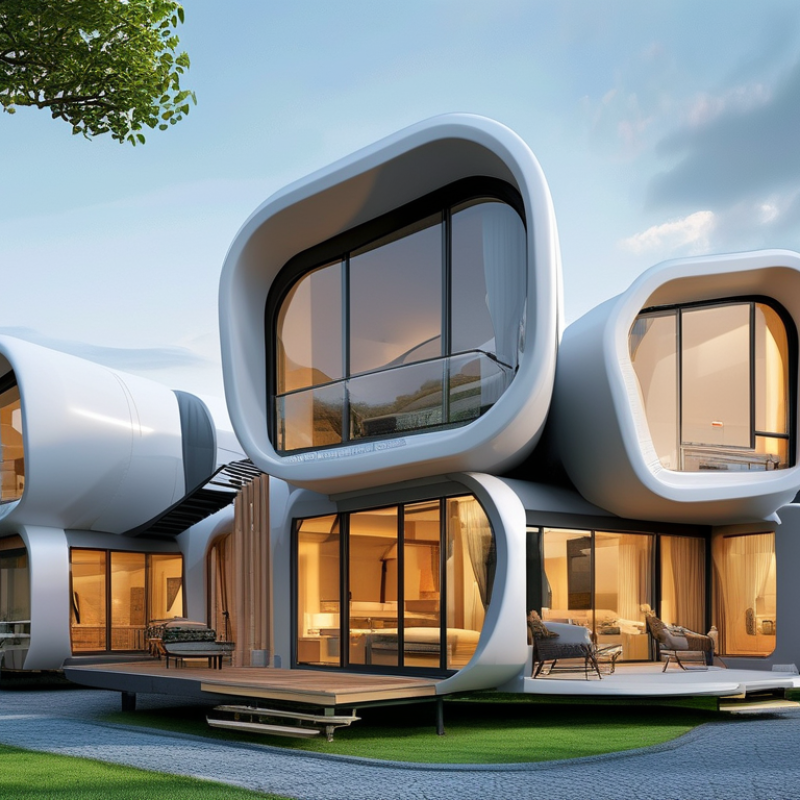
In recent years, prefab houses have gained traction among global buyers. Their unique designs and affordability appeal to many seeking housing solutions. Some models stand out due to their innovative features. For instance, modern prefab homes often integrate sustainable materials. Solar panels and green roofs are becoming common. These elements not only enhance the aesthetic but also promote energy efficiency.
International buyers are particularly interested in compact living spaces. Minimalist designs fit well in urban areas where space is limited. However, challenges persist. Not all models are suitable for varying climates around the world. Shipping and assembly can also pose difficulties. Prospective buyers should consider local conditions and regulations before committing to a purchase. Choosing a prefab home requires careful thought and planning, making it crucial to evaluate both the benefits and drawbacks.
Market Analysis: The Growth of Prefab Housing in China (2020-2023)
The prefab housing market in China has experienced remarkable growth between 2020 and 2023. This popularity is fueled by a desire for sustainable living solutions. Prefab houses are efficient, often built off-site, and offer quick assembly times. Their appeal lies in customizability and aesthetic options. Buyers appreciate these unique designs that blend function and style.
The market analysis reveals key trends in consumer preferences. Increasing environmental awareness drives the demand for eco-friendly materials. More buyers seek energy-efficient solutions. Factors like rising housing costs and urbanization contribute to the surge. Many buyers are exploring modular options, which reduce construction waste and time.
Tips: Consider the climate in your area. Certain materials perform better in specific conditions. Keep an eye on zoning laws. They may impact your prefab installation.
While the future looks bright, challenges persist in quality control and delivery timelines. Buyers should research thoroughly to avoid potential pitfalls. Prefab housing demands a nuanced understanding of local regulations and potential supply chain issues. A well-informed approach is essential in navigating this growing market.
Key Features of Chinese Prefab Houses That Attract Global Customers
Chinese prefab houses are attracting global buyers due to their unique features. One key aspect is their affordability. Reports suggest that prefab homes can be 20-30% cheaper than traditional construction. This cost-effectiveness appeals to budget-conscious buyers.
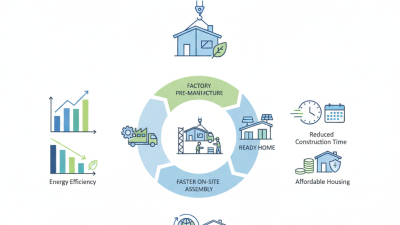
Another significant factor is the speed of construction. Prefab houses are designed for rapid assembly. Many units can be built in weeks rather than months. This efficiency meets the urgent needs of many international clients. Additionally, modern designs offer flexibility in layouts. Buyers can personalize their homes easily, catering to varied lifestyles.
Sustainability is also essential. Many prefab homes incorporate eco-friendly materials. For instance, studies indicate that these homes often use recycled components, reducing their carbon footprint. Despite these advantages, some buyers express concerns. Issues such as quality control and long-distance shipping can pose challenges. Addressing these can enhance trust in the prefab market.
Sustainability in Prefabricated Housing: Eco-Friendly Choices in China
In recent years, sustainable living has gained momentum, especially in housing. Prefabricated houses in China offer eco-friendly solutions for global buyers. These homes are built with materials that reduce carbon footprints. They utilize energy-efficient designs, minimizing waste during production.
One innovative aspect is the use of recycled materials. Many prefab homes incorporate reclaimed wood and other sustainable resources. This approach promotes a circular economy. However, challenges remain in sourcing these materials consistently. Not all regions have access to sufficient sustainable supplies.
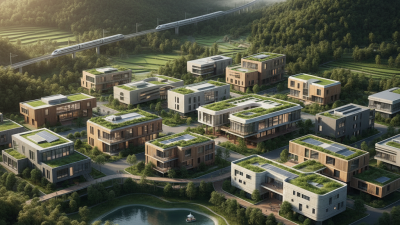
Moreover, the adoption of renewable energy systems is on the rise. Solar panels and green roof systems can significantly lower utility costs. Despite these advancements, some prefab houses still lack adequate insulation. Homeowners must be proactive in ensuring energy efficiency. Each choice made in prefab construction leads to a stronger commitment to sustainability.
Top Prefab Houses in China for Global Buyers
This chart illustrates the percentage of various eco-friendly materials used in prefabricated housing in China. These materials contribute to sustainability and environmentally friendly construction practices.
Cost Comparisons: Chinese Prefab Houses vs. Traditional Construction Methods
When considering prefab houses, cost is a key factor. In China, prefab construction can be significantly cheaper than traditional methods. Prefab houses are quicker to assemble, often reducing labor costs. Traditional construction may require extensive labor and longer timelines, leading to higher expenses.
Prefab houses typically use modern materials, improving durability and often lowering maintenance costs. In many cases, these homes come with energy-efficient features, which can reduce utility bills. Yet, buyers should still evaluate the long-term value and potential resale issues. Some prefab houses may not appreciate as quickly as traditional homes.
Tips: Understand local regulations before investing. Different regions have varying standards and codes for prefab construction. Research the reliability of manufacturers to avoid poor-quality builds. Customization can affect costs significantly. Be clear about what features you really need.