Single Container House Benefits and Cost for Global Buyers?
In recent years, the concept of a Single Container House has gained attention globally. This innovative housing option offers affordability and versatility. The design is based on repurposed shipping containers, making it an eco-friendly choice.
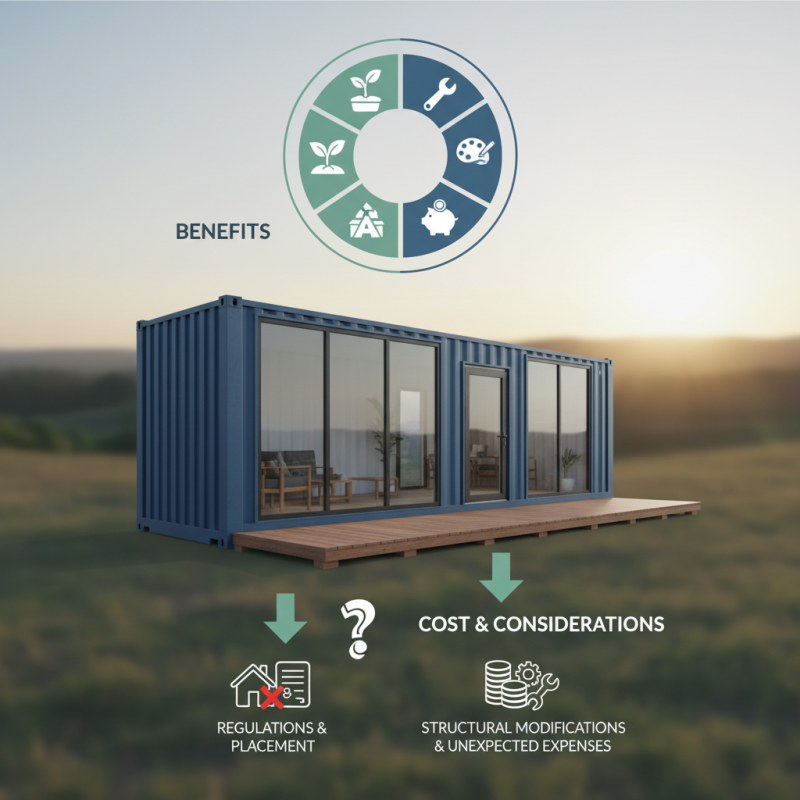
Many buyers appreciate the unique style and quick construction. A Single Container House can be customized for various needs. However, prospective homeowners should consider potential drawbacks. Local regulations may restrict placement and design. It's essential to research these issues before committing.
Cost is also a factor. While initial investments can be lower than traditional homes, unexpected expenses may arise. Structural modifications can be costly. All in all, the Single Container House presents an exciting opportunity, but careful planning is key.
Benefits of Single Container Houses for Global Buyers
Single container houses have become increasingly popular among global buyers. Their simplicity and affordability make them an attractive choice. These homes are often made from recycled shipping containers, making them eco-friendly. The unique design allows for custom modifications to suit individual needs. Buyers appreciate the modern aesthetic and versatility of these structures.
One major benefit is cost-effectiveness. Single container houses can be built quickly, reducing labor costs. Many consider them a practical investment, especially in areas with high real estate prices. However, potential buyers must consider local zoning laws and regulations. Not all areas allow container homes, which can lead to frustration during the buying process.
Space efficiency is another advantage. Despite their compact size, container houses can maximize usable space. Creative layouts can provide living, dining, and bedroom areas within a small footprint. Yet, designing a functional space requires careful planning. Buyers should research efficient storage solutions. They must reflect on what living in a smaller space entails.
Single Container House Benefits and Cost for Global Buyers
| Benefit |
Description |
Estimated Cost (USD) |
| Affordability |
Container houses are generally cheaper than traditional homes. |
$20,000 - $40,000 |
| Sustainability |
Recycling used shipping containers reduces waste and is eco-friendly. |
N/A |
| Portability |
Easily movable to different locations. |
$1,500 - $3,000 (transportation) |
| Customizability |
Can be modified according to buyer’s specifications. |
Varies widely |
| Speed of Construction |
Quicker to build compared to traditional homes. |
N/A |
| Durability |
Designed to withstand harsh weather conditions. |
N/A |
Cost Analysis of Constructing a Single Container House
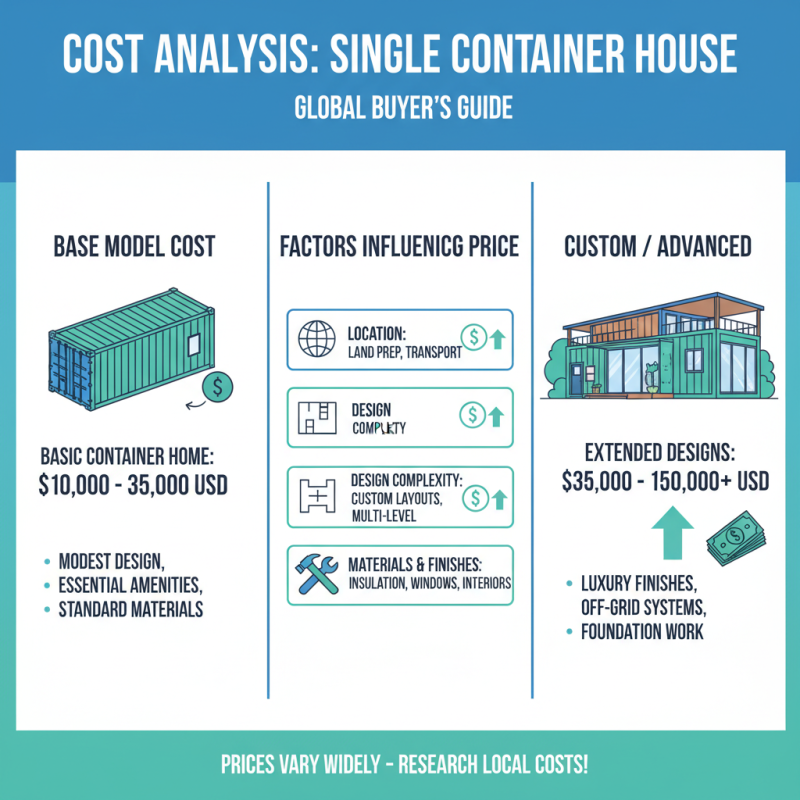
Building a single container house can be an innovative choice. However, understanding the cost is crucial for global buyers. The price of constructing such a home varies significantly. Factors include location, design, and materials. Generally, a basic container home ranges from $10,000 to $35,000. Custom designs or extensive modifications can push prices higher.
It's essential to consider additional expenses. Land acquisition, utility connections, and permits can add up quickly. Unexpected costs might arise during the construction phase. Buyers should prepare for these financial surprises.
Tips: Always budget for at least 20% more than the expected cost. Research local regulations before starting. Engage with professionals who have experience in container homes. Their insights can save time and money. A thorough plan can minimize uncertainties.
Sustainability and Environmental Impact of Container Homes
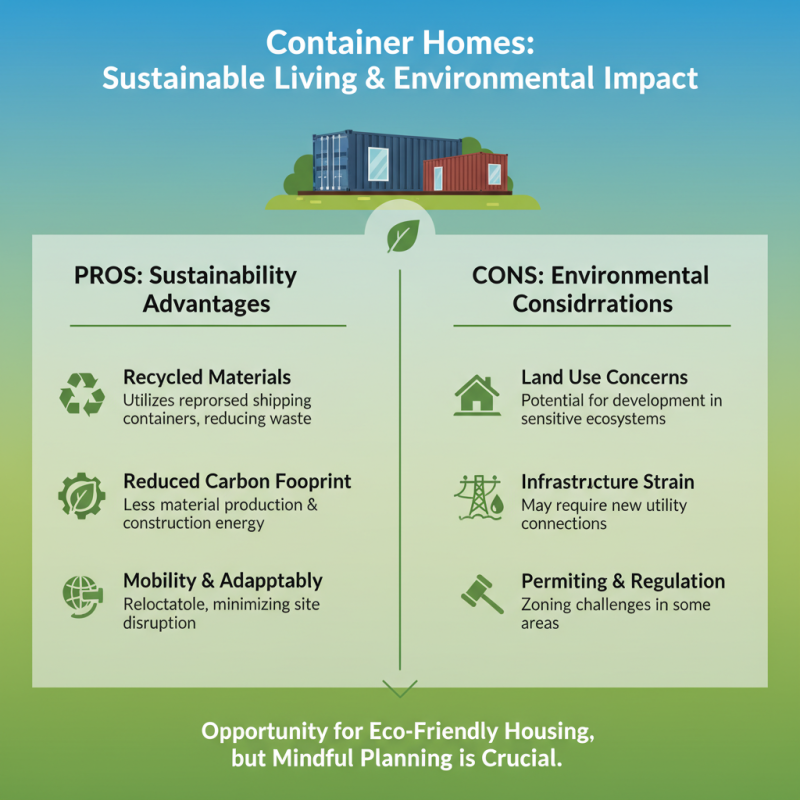
Container homes present a unique opportunity for sustainable living. They utilize recycled materials, significantly reducing the carbon footprint associated with traditional building. The structure's mobility is another advantage, allowing homeowners to choose locations that minimize environmental disruption. However, this flexibility may lead to unintended consequences, like increased land use in sensitive areas.
The environmental impact of container homes also includes efficient insulation techniques, which help conserve energy. Properly designed containers can maximize natural light, reducing electricity needs. Yet, challenges remain in sourcing containers that are free from harmful chemicals. Buyers must ensure they are selecting safe materials while considering long-term environmental consequences.
Additionally, container homes can promote a minimalist lifestyle, reducing waste and resource consumption. This shift in mindset is essential for sustainable living. However, the allure of trendy designs may distract buyers from the core purpose of sustainability. Reflecting on these choices is crucial as we explore the future of eco-friendly housing.
Market Trends and Demand for Single Container Houses Worldwide
The surge in demand for single container houses reflects a significant shift in global housing trends. These structures offer flexibility and affordability. Many buyers are drawn to their modular nature. With minimalistic designs, they can fit various lifestyles, from urban dwellers to those seeking remote retreats.
Market trends indicate a growing preference for sustainable living. Single container houses contribute to environmentally friendly practices. They utilize repurposed materials, reducing carbon footprints. Buyers appreciate the efficiency of construction and the ability to customize spaces. However, the availability of land and local regulations can pose challenges. Not all regions welcome this innovative housing solution.
Despite their benefits, buyers need to consider potential drawbacks. Limited space can be a hurdle for larger families. Additionally, adapting these homes to different climates requires careful planning. There are mixed reviews on insulation and durability. Buyers should research local experiences and gather insights before investing. The landscape of container housing is evolving, presenting both opportunities and obstacles.
Comparative Study: Container Homes vs. Traditional Housing Solutions
Container homes have been gaining attention as a viable alternative to traditional housing. According to a report by the Housing Industry Association, the average cost of constructing a traditional home in the U.S. can exceed $300,000, depending on location. In contrast, the cost of a single container home can range from $15,000 to $50,000. This substantial difference attracts buyers seeking affordable housing solutions.
In terms of construction time, container homes can be completed in a few months compared to several months or even years for traditional houses. However, potential buyers should consider zoning laws that may restrict container home placements. While the flexibility and lower costs appeal to many, not everyone is ready for this transition. The resale market for container homes also remains uncertain, reflecting a challenge for investors.
Energy efficiency is another area to ponder. Container homes often utilize sustainable practices, reducing their carbon footprint. Reports indicate that these homes can save up to 30% on energy costs. However, insulation and climate adaptation are critical issues that require attention. If not addressed, these homes can face issues with temperature regulation. Thus, while container homes present a cost-effective alternative, they also require thorough planning and consideration.
Comparison of Costs: Container Homes vs. Traditional Housing Solutions