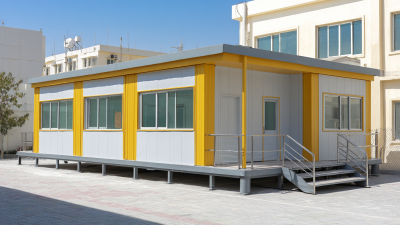
What is Temporary Classrooms and Why Are They Essential?
In today's educational landscape, "Temporary Classrooms" have emerged as a vital solution for many school districts. A report by the National Center for Education Statistics indicates that nearly 50% of U.S. schools report overcrowded classrooms. This situation calls for immediate and innovative solutions. Temporary classrooms provide flexibility and rapid deployment options. They are essential for accommodating fluctuating student populations, especially during emergencies or renovations.
These structures are not just makeshift setups; they are designed with student needs in mind. According to the Modular Building Institute, the use of temporary classrooms can reduce construction time by up to 60%. This efficiency allows schools to quickly address capacity shortages without compromising on quality. However, there are challenges. Some educators question the long-term effectiveness of temporary classrooms. The integration of technology and the overall learning environment need careful consideration.
Still, the benefits are hard to ignore. Temporary classrooms can support diverse learning needs. They have the potential to enhance community engagement, proving crucial in times of crisis. As schools evolve, understanding the role of temporary classrooms becomes increasingly important for fostering effective learning environments.
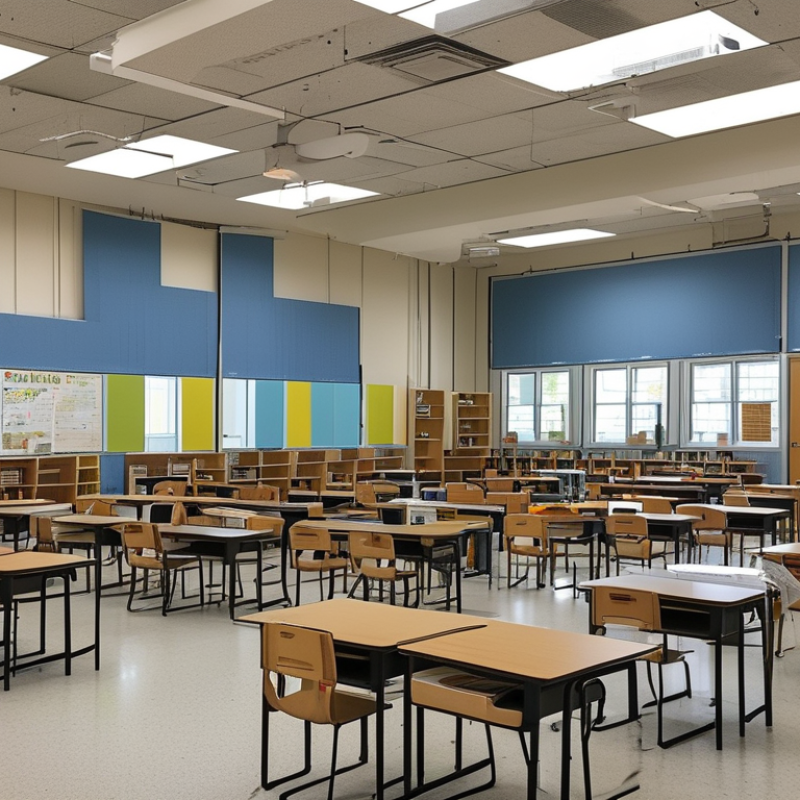
Definition of Temporary Classrooms and Their Characteristics
Temporary classrooms are flexible structures designed to provide immediate educational spaces. These classrooms are essential in various scenarios, such as natural disasters or population surges. According to a 2022 report by the International Organization for Migration, over 3 million children around the world faced disruptions in their education due to emergencies. This highlights the pressing need for temporary classrooms.
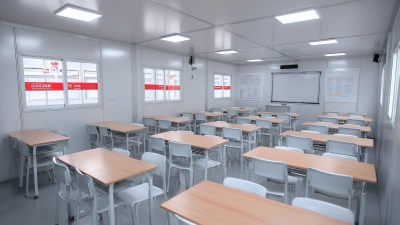
These classrooms come with several key characteristics. They are typically portable, allowing for quick installation and relocation. Many are designed with durable materials to withstand various weather conditions. Importantly, they often include necessary amenities such as electricity, heating, and adequate ventilation. A recent study from the Education Sector Collaborative found that well-designed temporary classrooms can enhance learning outcomes by up to 20%. However, inadequate planning often results in overcrowded facilities, which can hinder educational effectiveness.
Tips: When planning for temporary classrooms, prioritize student safety and comfort. Ensure adequate spacing and ventilation. Also, engage with local communities for their input. Their insights can lead to better implementation strategies. Furthermore, consider the long-term implications of temporary solutions. Sustainability in design will also matter as needs evolve.
The Necessity of Temporary Classrooms in Educational Systems
Temporary classrooms play a crucial role in modern educational systems. They provide immediate space for learning when traditional facilities are unavailable. This can happen due to emergencies, renovations, or population surges in certain areas. These temporary structures are essential in maintaining educational continuity.
Moreover, temporary classrooms can foster innovative teaching methods. They offer flexible environments that can adapt to various learning styles. For instance, open layouts allow for collaborative activities. However, not every temporary classroom meets the needs of all students. It’s vital to evaluate their effectiveness regularly. Space constraints and inadequate resources can hinder the learning experience, creating a pressing need for improvement.
Community involvement is vital for successful temporary classroom implementation. Engaging parents and local organizations can provide invaluable support. Yet, there are challenges in ensuring that these temporary solutions are equitable. Some students may not have access to the same quality of learning experiences. Addressing these disparities is essential for a fair educational system. Understanding and refining the temporary classroom approach can lead to a more inclusive educational future.
What is Temporary Classrooms and Why Are They Essential?
| Dimension |
Description |
Importance |
| Flexibility |
Temporary classrooms can be set up quickly in response to changing educational needs. |
Allows schools to accommodate sudden increases in student population or urgent educational demands. |
| Cost-effective |
Less expensive than building permanent structures while providing necessary facilities. |
Saves funds for other educational resources and improvements. |
| Mobility |
Can be relocated easily to different areas based on enrollment changes. |
Enhances accessibility to education for diverse communities. |
| Immediate Availability |
Can be deployed within weeks rather than months or years for traditional construction. |
Addresses urgent classroom shortages in crisis situations or natural disasters. |
| Versatility |
Can serve various educational purposes including classrooms, labs, and workshops. |
Meets diverse educational requirements and learning styles. |
Types of Temporary Classrooms and Their Uses
Temporary classrooms serve as crucial solutions in various educational settings. They are often utilized in response to emergencies, natural disasters, or overcrowded schools. For instance, a report from the Global Education Cluster highlights that in 2022 alone, over 100 million children were affected by interruptions in their education due to crises. Temporary classrooms offer a swift way to restore access to learning environments.
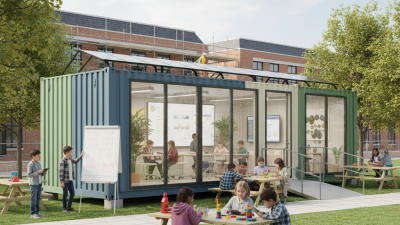
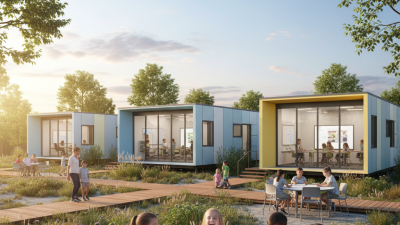
There are several types of temporary classrooms, tailored to meet specific needs. Modular classrooms are often prefabricated structures, providing flexibility and quick assembly. According to industry experts, they can be erected in weeks, allowing schools to adapt rapidly to changing demands. Tents are another popular option, especially in disaster-stricken areas. They can be set up quickly, but may lack the durability required for long-term use. Portable buildings can also be deployed, offering a more permanent solution. However, their cost and resource requirements need careful consideration.
Using temporary classrooms raises significant questions about sustainability and accessibility. While they address immediate needs, concerns about equity remain. Not all students have equal access to these resources, leading to potential disparities in educational quality. It is crucial to reflect on how these solutions can be improved. Balancing immediate needs with long-term educational goals presents an ongoing challenge for policymakers and educators alike.
Benefits of Implementing Temporary Classrooms
Temporary classrooms have emerged as vital solutions to address space shortages in education. These structures offer immediate relief when traditional classrooms are not sufficient. They can be set up quickly, meaning students do not need to wait. This urgency is particularly important during emergencies, such as sudden population increases or natural disasters.
Implementing temporary classrooms yields numerous benefits. They provide flexibility in educational settings, allowing schools to adapt as needed. These spaces can be used for various functions, such as extra tutoring rooms or specialized classes. Their cost-effectiveness is also significant. Schools can invest limited funds wisely while still meeting students' needs. However, there are challenges. Not all temporary classrooms are built equally. Some might lack essential infrastructure, leading to comfort issues. Reflecting on these downsides encourages school administrators to prioritize quality and safety in design.
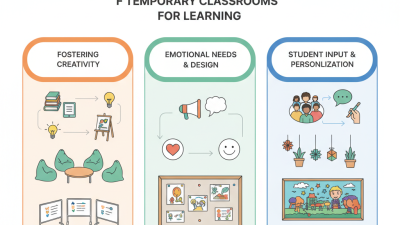
The impact of temporary classrooms goes beyond just immediate needs. They foster a dynamic learning environment, essential for student engagement. When designed well, they can stimulate creativity and collaboration among students. Nonetheless, it’s crucial to continuously assess their effectiveness and adapt accordingly. Poor implementation can lead to dissatisfaction. Schools must strive to get it right for the benefit of every learner.
Benefits of Implementing Temporary Classrooms
Challenges and Considerations in Temporary Classroom Setup
Setting up temporary classrooms comes with several challenges. Space is often limited, leading to overcrowding and hindering effective learning. Finding suitable locations for these classrooms is not always straightforward. Authorities must ensure that the chosen sites meet safety and accessibility standards. Neglecting this aspect can result in discomfort for both students and teachers.
Another challenge is resource allocation. Temporary classrooms may lack essential materials. Without proper resources, teaching quality can suffer. Teachers might struggle to deliver lessons effectively. It’s crucial to have adequate supplies and equipment. These basic needs must be addressed to foster a conducive learning environment.
Communication can also be a hurdle during setup. Stakeholders, including educators, parents, and administrators, need to be aligned. Miscommunication can lead to delays and confusion. Clear channels for dialogue are essential. Addressing these issues head-on can improve the process. Temporary classrooms play a vital role but require thoughtful planning and execution.