China Top 10 Container Casa Designs You Need to Know?
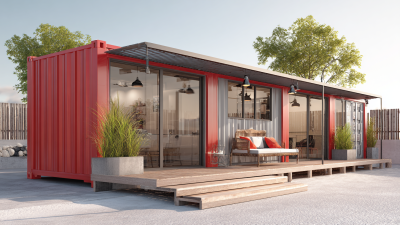
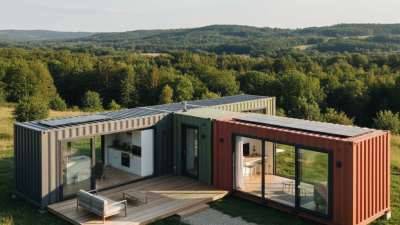
Container Casa designs have emerged as a popular trend in modern architecture. These innovative homes offer a unique blend of sustainability and style. They utilize shipping containers as building blocks, creating functional living spaces that push the boundaries of traditional housing.
In China, several remarkable Container Casa designs showcase creativity and practicality. Each design reflects the local culture and meets the needs of its inhabitants. These structures are eco-friendly, cost-effective, and adaptable to various environments. They challenge conventional aesthetics and introduce new lifestyles.
While Container Casa designs are exciting, they also come with challenges. Not every design maximizes space effectively. Some may struggle with insulation or require careful planning to avoid overcrowding. It's vital to consider these aspects when exploring container living. Ultimately, Container Casa represents a forward-thinking approach to housing, inviting us to reflect on what home truly means.
Top Features of Innovative Container Casa Designs in China
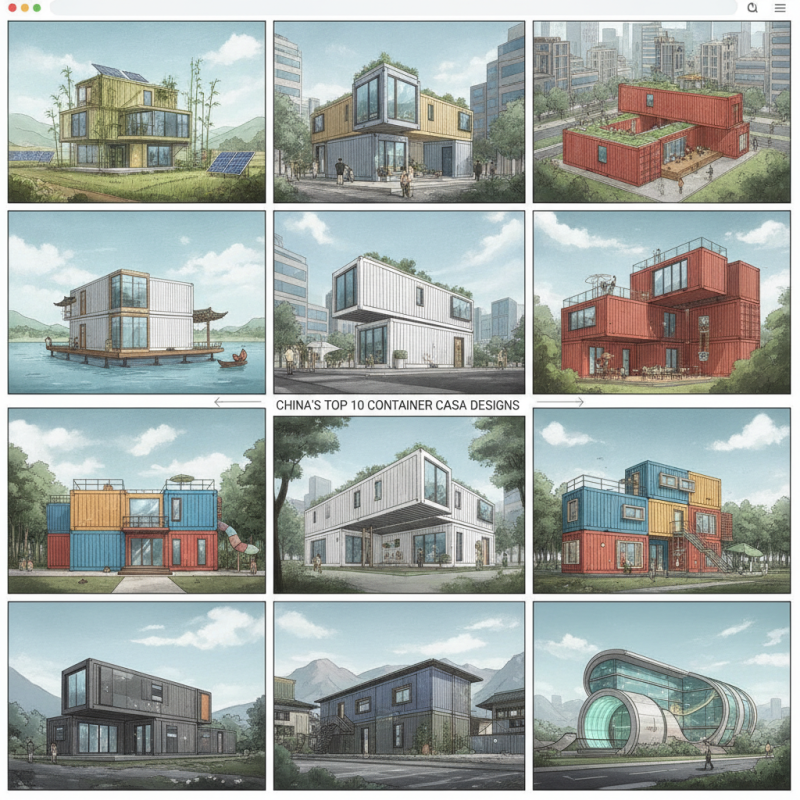
Innovative container casa designs in China are transforming urban living.
These unique structures utilize shipping containers to create functional spaces.
The versatility of container casas makes them suitable for various purposes, from homes to offices.
They are eco-friendly, cost-effective, and easy to customize.
Designers focus on maximizing space while ensuring comfort and style.
One notable feature is the adaptability of layout options.
Designers can rearrange containers to fit plot sizes and personal preferences.
Natural light plays a crucial role in enhancing the living experience.
Installing large windows or glass doors makes the space feel larger and more welcoming.
Tips:
Consider the local climate when designing.
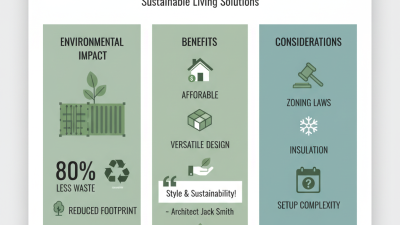
Insulation is essential for temperature control.
Also, think about transporting your container casa.
Ensure it meets the necessary regulations and permits in your area.
Using recycled materials can add character while reducing costs.
While container casas are innovative, challenges exist.
Poor insulation can lead to extreme temperatures, making them uncomfortable.
Flexibility in design can sometimes compromise structural integrity.
Balancing aesthetic appeal with practical elements is crucial for achieving a successful container casa design.
Sustainable Design Practices in Container Casa Architecture
Container casa architecture emphasizes sustainability by reusing shipping containers as building materials. This approach reduces waste significantly. It also lowers the carbon footprint associated with traditional construction. By transforming these containers, architects create innovative living spaces.
Using containers allows for diverse and flexible designs. The modular nature of containers supports various layouts and configurations. However, challenges arise when it comes to insulation and ventilation. Proper planning is essential to ensure comfortable living environments. Sustainable practices require attention to detail and knowledge of materials.
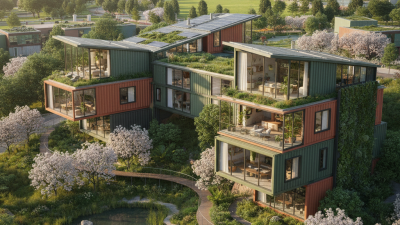
Many container casas incorporate green technologies. Solar panels, rainwater harvesting, and energy-efficient systems enhance sustainability. These features can lower utility costs and improve living conditions. Yet, not all projects achieve optimal energy efficiency. Ongoing evaluation and adaptation can lead to better results in future designs. By learning from past experiences, architects can refine their methods.
Popular Materials Used in China’s Container Casa Projects
Container casas in China represent a unique blend of innovation and sustainability. When discussing materials, steel is paramount. Its strong, durable nature allows for versatile designs. Steel frames can withstand harsh weather while maintaining a modern aesthetic. However, sourcing high-quality steel can be challenging, leading to inconsistencies in project quality.
Another popular material is plywood. It adds warmth and character to container interiors. Plywood helps in creating a cozy atmosphere while being budget-friendly. Yet, it’s crucial to choose treated plywood to avoid moisture issues. Without proper treatment, this material can warp or decay over time.
In addition, sustainable materials like bamboo are gaining attention. Bamboo is lightweight, strong, and renewable. It brings an eco-friendly touch to container projects. However, it might not suit all designs, requiring careful consideration during planning. Balancing aesthetics and functionality remains a constant challenge in container casa designs. Each material has its pros and cons, highlighting the importance of thoughtful selection in ensuring long-term satisfaction.
China Top 10 Container Casa Designs You Need to Know
| Design Style |
Material Used |
Unique Feature |
Sustainability Rating |
| Modern Minimalism |
Steel, Glass |
Open Floor Plan |
High |
| Rustic Charm |
Wood, Metal |
Vintage Finishes |
Medium |
| Eco-Friendly |
Recycled Materials |
Green Roof |
Very High |
| Industrial Loft |
Concrete, Steel |
Exposed Structure |
Medium |
| Contemporary |
Composite Materials |
Smart Home Technology |
High |
| Modular Living |
PVC, Timber |
Interlocking Units |
Medium |
| Luxury Container |
High-Grade Steel |
Luxury Finishes |
High |
| Artistic Container |
Mixed Media |
Sculptural Design |
High |
| Compact Living |
Steel, Glass |
Space Optimization |
Medium |
| Vacation Home |
Wood, Steel |
Panoramic Windows |
High |
Impact of Container Casas on Urban Living Spaces
Container casas are transforming urban living spaces. These innovative structures maximize land use in densely populated cities. They provide affordable housing solutions while promoting sustainability. With their modular design, container casas can be easily transported and customized, creating unique living environments.
However, there are challenges. Not all designs are suitable for harsh climates. Insufficient insulation can lead to uncomfortable interiors. Some installations lack community engagement, making spaces feel isolated. Urban planning must prioritize connectivity and accessibility. Thoughtful design that considers local culture enhances the appeal of these homes.
As cities grow, container casas can address housing shortages creatively. They promote eco-friendly living, but homeowners should be mindful of regulations and local aesthetics. Balancing functionality and style is crucial for success. Embracing these aspects might lead to vibrant, inclusive urban areas.
Case Studies of Iconic Container Casas in Chinese Cities
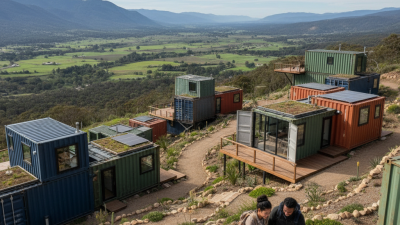
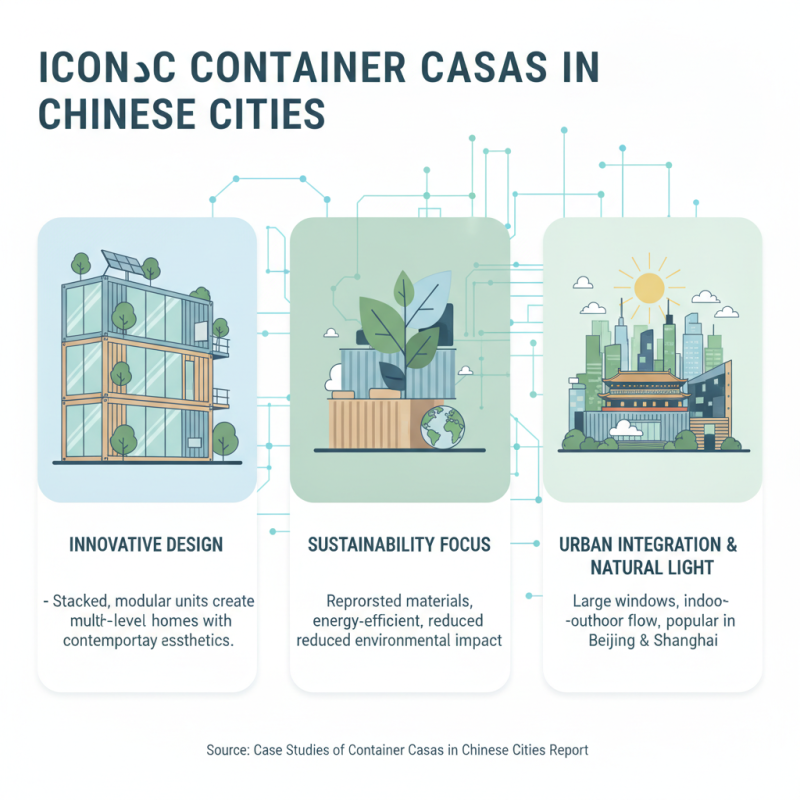
Container casas are gaining popularity in China for their innovative designs and sustainability. In cities like Beijing, these structures blend contemporary aesthetics with environmental consciousness. One example is a stunning project that features stacked containers, creating a multi-level living space. The use of large windows allows natural light to fill the interiors, enhancing the connection with the outdoors.
Another noteworthy design can be found in Shanghai. This unique container casa embraces minimalist principles, focusing on open layouts and functional spaces. Inside, reclaimed materials are cleverly used, promoting sustainability. However, the challenge remains in achieving thermal comfort during the winter months. Additionally, urban noise can be overwhelming, prompting a need for better insulation and outdoor soundproofing solutions.
These case studies reflect both the potential and limitations of container homes in urban settings. As cities evolve, the design and implementation of container casas need continual refinement. The journey toward a perfect balance between design and functionality is ongoing.