Building Faster | Smarter | Greener

Leave Your Message

China Top Barrack Building Manufacturers for Sale

China has become a major sourcing destination for modular and prefabricated Barrack Building solutions. Manufacturers offer steel-frame units, container-style rooms, and customized accommodation blocks for legal projects.

This guide examines China Top Barrack Building Manufacturers for Sale, focusing on quality, engineering experience, and supply reliability. It considers factory capacity, material selection, production controls, and after-sales support. Galvanized steel frames can improve corrosion resistance in humid environments. Rock wool panels may provide stronger fire performance and better thermal insulation. However, specifications must match the project location and local building regulations.

A dependable manufacturer should provide structural drawings, material certificates, installation instructions, and clear warranty terms. Buyers should also verify factory experience through completed projects, video inspections, or independent audits. Sample room inspections can reveal practical details, including door alignment, window sealing, floor strength, and drainage design.

Small details matter.

Wind loads, seismic conditions, transportation limits, and site access can change the final cost. A low quotation may exclude foundations, electrical systems, furniture, or installation services. That can create expensive surprises later. No supplier is perfect, and marketing materials should never replace technical verification. Buyers should compare several qualified manufacturers and request a detailed, itemized proposal. This article highlights key evaluation points for selecting a compliant, durable, and professionally supported Barrack Building supplier in China.
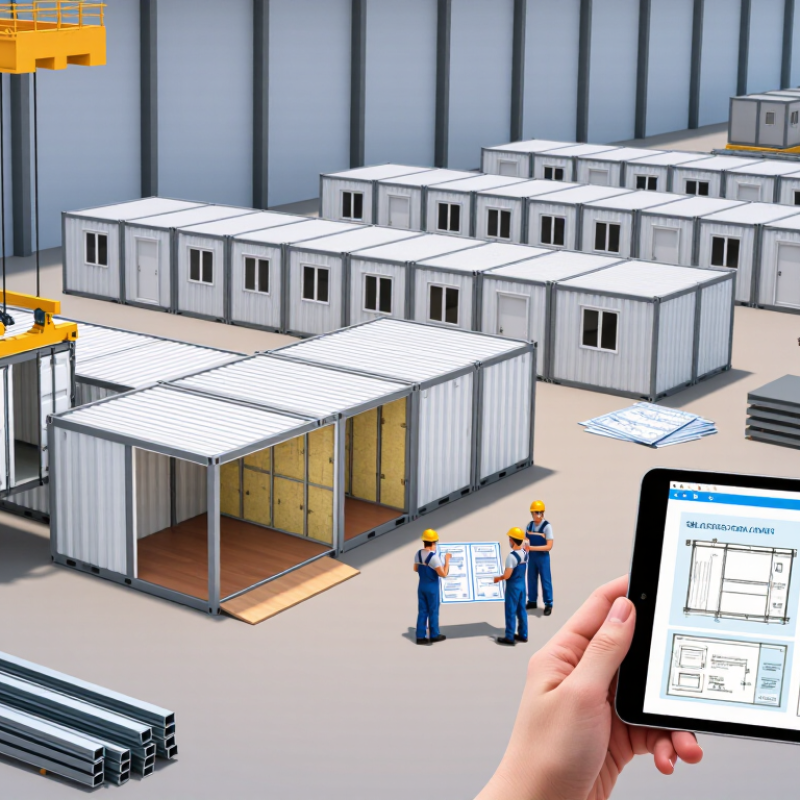
China Top Barrack Building Manufacturers for Sale

What Barrack Buildings Are and Their Main Applications

Barrack buildings are practical, prefabricated structures designed for shared accommodation and support functions. They usually contain sleeping rooms, washrooms, kitchens, dining areas, and small administrative spaces. Factory-made panels and steel frames allow faster installation than conventional masonry construction. In my experience, a well-planned unit can provide clean, reliable shelter within a limited site area. Door placement matters. So does ventilation.

Their main applications include military training facilities, emergency response camps, construction projects, mining sites, and temporary worker housing. Some are also used for schools, clinics, and disaster-relief accommodation. A typical sleeping room may hold bunk beds, lockers, lighting, and electrical outlets. Shared washrooms need durable surfaces and simple drainage access. In colder regions, insulation and heating systems require careful coordination. In hot climates, shaded walkways and cross-ventilation become more important.

For buyers reviewing barrack building manufacturers for sale, technical evidence matters more than attractive drawings. Check structural calculations, fire-resistant materials, insulation values, delivery records, and installation procedures. Ask how the building handles heavy rain, strong wind, humidity, and repeated relocation. A low purchase price may hide higher transport or maintenance costs. That is a common mistake. Barrack buildings are efficient, but they are not perfect for every site. Limited privacy, noise transfer, and restricted expansion can affect long-term comfort. A realistic layout should include storage, accessible facilities, safe exits, and clear maintenance access. Small details often decide whether the building performs well after occupancy.
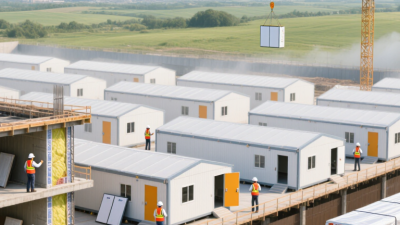
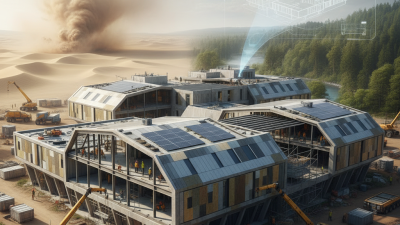
China Top Barrack Building Manufacturers for Sale

Common Modular Unit Footprints Used in Barrack Buildings

Barrack buildings are prefabricated or modular structures designed to provide efficient accommodation and support facilities. They are commonly used for military housing, workforce camps, construction sites, emergency shelters, temporary schools, clinics, and site offices. The chart compares the floor footprints of two widely used ISO container-based modular units. Actual usable space varies according to wall thickness, insulation, partitions, and interior layouts.

Key Features of China-Made Barrack Building Systems

China-Made Barrack Building Systems: Key Features

China-made barrack building systems commonly use light-gauge steel frames, insulated sandwich panels, and factory-fitted doors and windows. Their modular layout supports bedrooms, washrooms, kitchens, offices, and storage rooms. McKinsey’s 2019 report found that modular construction can reduce project schedules by 20% to 50% under suitable conditions. That advantage depends on accurate drawings, transport planning, and prepared foundations.

Thermal performance deserves close attention. The 2023 Global Status Report for Buildings and Construction reported that buildings consumed 34% of global energy and produced 37% of energy and process-related emissions in 2022. Therefore, effective insulation, sealed panel joints, shaded windows, and efficient ventilation are practical features, not decorative extras. Fire-rated materials, corrosion protection, drainage details, and accessible electrical systems should be verified through technical documents and sample inspections.

Factory production can improve dimensional consistency and reduce site waste. It also makes repeated units easier to repair or replace. However, not every low-cost system performs equally well.

A useful warning.

Thin panels may dent during transport, while poorly sealed joints can cause condensation and heat loss. Buyers should request test records, material certificates, load calculations, and installation instructions. A trial assembly with measured door gaps and panel connections is wiser than relying on attractive drawings.

How to Evaluate Chinese Barrack Building Manufacturers

Buying a barrack building from China requires more than comparing catalog prices. Evaluate the factory, not only the finished photos. Request production records, welding procedures, steel mill certificates, and recent load-test results. Walk through the workshop if possible. Check whether workers measure panel thickness and weld seams consistently. Small gaps around doors reveal poor quality quickly.

McKinsey’s modular construction research reports potential schedule reductions of 20–50% when factory production is properly coordinated. That benefit disappears when drawings change late or shipping documents remain incomplete. Ask for a sample project schedule, quality inspection points, packing photographs, and a clear replacement process. Review fire resistance, wind loads, snow loads, drainage, and local electrical requirements with an independent engineer. A low quotation may exclude foundations, insulation, transport, or site assembly.

Energy performance also deserves attention. The 2023 Global Status Report for Buildings and Construction, published by UNEP, states that buildings account for about 34% of global energy demand and 37% of energy-related process emissions. Therefore, compare insulation thickness, thermal-bridge treatment, window specifications, and ventilation details. Ask for test reports from accredited laboratories, not only internal declarations. I would still inspect carefully. Certificates can be genuine but outdated, and factory systems can weaken during busy seasons. A reliable evaluation records evidence, checks assumptions, and leaves room for uncomfortable questions.

Customization, Materials, Pricing, and Delivery Options

Selecting a reliable barrack building manufacturer requires more than comparing catalog prices. Define the intended use, site conditions, occupancy period, and local building requirements. Temporary worker housing may need fast assembly, while military, educational, or emergency facilities require stronger security and insulation. Ask for layout drawings, structural calculations, fire-safety documents, and previous project evidence.

Customization can include room sizes, bathrooms, kitchens, windows, doors, electrical systems, ventilation, and accessibility features. Steel frames offer strength and repeatable production. Sandwich panels improve thermal performance and reduce installation time. Rock wool panels provide better fire resistance than basic foam options, though they may increase the budget. Materials must match the climate. Coastal locations need corrosion protection.

Pricing should include manufacturing, packaging, transport, foundations, installation, and after-sales support. Request an itemized quotation. Otherwise, hidden costs may appear later. Delivery depends on production capacity, customization, port conditions, and site access. Confirm the production schedule in writing, then require inspection photos or a third-party quality check before shipment. Small mistakes happen. A door may arrive reversed, or fittings may not match local standards. Careful drawings and a signed specification reduce these risks. Manufacturers offering clear warranties, replacement procedures, and realistic delivery dates are usually safer choices than suppliers promising everything immediately.

How to Select a Reliable Manufacturer for Your Project

China Top Barrack Building Manufacturers for Sale

How to Select a Reliable Manufacturer for Your Project

Selecting a barrack building manufacturer requires more than comparing prices. Review the factory’s completed projects, production equipment, and quality-control records. Ask for dated photographs, structural drawings, and client references. A reliable supplier should explain material grades, welding methods, insulation performance, and delivery limits clearly. Vague answers deserve caution.

Visit the production site when possible. Check whether steel members are stored under cover and labeled correctly. Inspect cutting accuracy, weld consistency, surface treatment, and panel connections. Request samples before approving large orders. Details matter. A clean showroom proves little if the workshop is disorganized. This is an easy mistake.

Your project also needs location-specific engineering. Confirm wind loads, snow loads, earthquake conditions, drainage, fire safety, and local building requirements. The manufacturer should provide signed calculations and understandable installation drawings. Discuss foundations early, because unsuitable ground conditions can increase costs sharply. Check the contract for tolerances, inspection stages, packaging, delivery responsibilities, and replacement procedures. A low quotation may exclude windows, electrical work, transport, or site preparation. Ask for a complete cost schedule.

Reliable communication is equally important. Test how quickly the technical team responds to one difficult question. Require a named project manager and written change-control process. Factory inspections by an independent professional can add useful protection. No supplier is perfect. I would rather see an honest limitation than an impressive promise without evidence. Keep records of approvals, revisions, payments, and shipment checks throughout the project.