2026 Top Container Home Trends for Global Buyers?
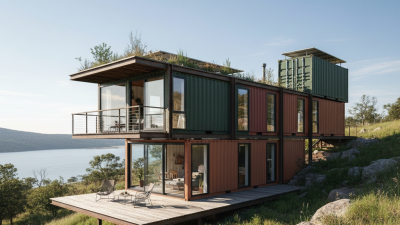
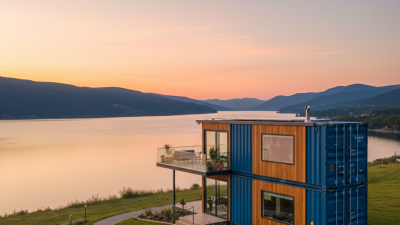
The rising popularity of Container Homes marks a significant shift in global housing trends. As more buyers seek affordable and sustainable living solutions, these innovative spaces have captured both attention and imagination. Expert architect Lisa Johnson states, "Container Homes challenge traditional norms while promoting eco-friendly living." This perspective encapsulates the essence of the movement.
In 2026, we expect to see even more diverse designs and functionalities in Container Homes. Buyers are looking for flexibility and customization, reflecting their personal styles. This trend is not without challenges, though. Some may underestimate the complexities involved in creating a comfortable and practical space from a shipping container.
Despite these obstacles, the potential seems boundless. Global buyers are turning Container Homes into unique expressions of their values and lifestyles. With the right guidance, they transform these metal boxes into stunning, livable areas. The journey of creating a Container Home is also a reflection of one's commitment to sustainability and innovation.
Innovative Container Home Designs Shaping the Future in 2026
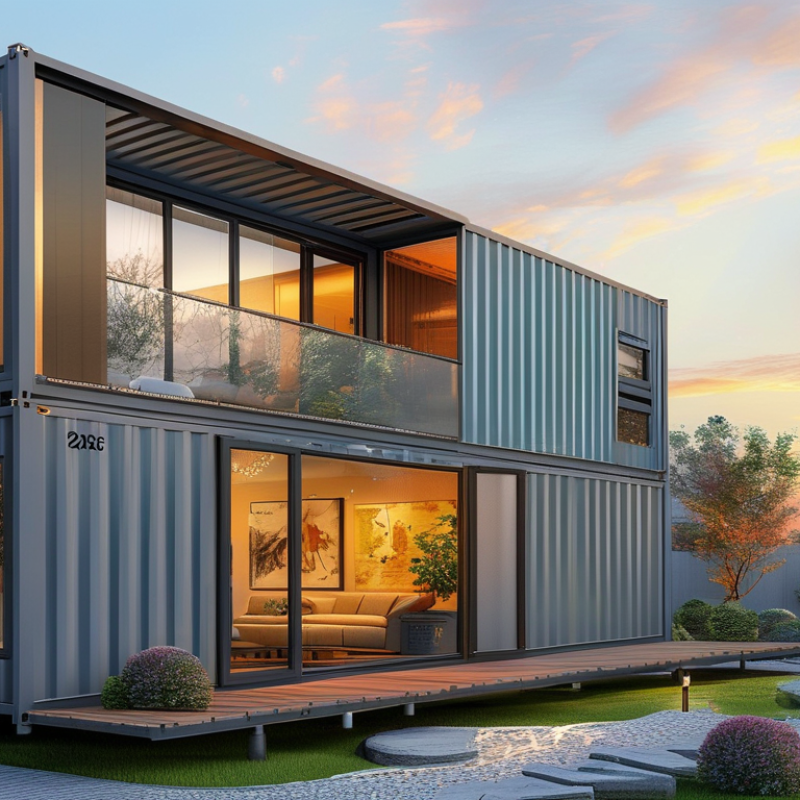
As we look towards 2026, container homes are evolving rapidly. Innovative designs are reshaping how we perceive living spaces. The incorporation of sustainable materials is key. These homes are not just boxes; they are blank canvases for creativity. Architects are blending aesthetics with functionality, using natural light and open spaces to create a welcoming atmosphere.
Vertical gardens are becoming popular in container home designs. This brings nature closer to urban living. Spaces that allow for outdoor integration enhance the overall experience. However, not all designs succeed; some remain impractical. It's essential to focus on aspects like insulation and ventilation. These elements are crucial for comfort in diverse climates.
Flexibility in layout is also a trend. Modular designs enable customization according to individual needs. This offers homeowners various living options. Yet, it's worth noting that customization can lead to higher costs. Balancing creativity with budget is a challenge many face. As container homes continue to gain popularity, the right designs can lead to sustainable and meaningful living.
Sustainable Materials and Eco-Friendly Trends in Container Homes
As the demand for container homes continues to rise, sustainable materials take center stage. Eco-friendly trends shape the approach to building these unique living spaces. Buyers increasingly favor recycled materials, which help reduce waste and minimize environmental footprints. Insulation made from recycled denim or cellulose proves effective while being kind to the planet.
Natural finishes also gain popularity. Bamboo flooring and reclaimed wood create warmth and charm. These choices not only enhance aesthetics but also lessen ecological impact. While the initial investment may be higher, the long-term benefits are significant for the environment and homeowners.
However, challenges remain in the implementation of green practices. Finding local sources for sustainable materials can be difficult. Buyers often struggle with the balance between cost and eco-friendliness. Understanding the lifecycle of materials requires research and reflection. These considerations are crucial as the container home trend evolves.
2026 Top Container Home Trends for Global Buyers
| Trend |
Description |
Sustainable Material Used |
Eco-Friendly Features |
Estimated Cost (USD) |
| Green Roofs |
Integration of vegetation on roof surfaces to improve insulation. |
Recycled soil and native plants |
Rainwater harvesting, improved air quality |
15,000 - 25,000 |
| Solar Panels |
Use of solar technology to harness renewable energy. |
Photovoltaic panels |
Energy independence, reduction in utility bills |
10,000 - 20,000 |
| Reclaimed Wood Interiors |
Use of wood salvaged from old buildings for interior design. |
Reclaimed timber |
Low carbon footprint, unique aesthetics |
5,000 - 15,000 |
| Natural Insulation |
Insulation made from natural materials for better energy efficiency. |
Hemp, sheep wool, cellulose |
Better thermal performance, breathability |
2,000 - 8,000 |
| Rainwater Collection Systems |
Systems to collect and reuse rainwater for various purposes. |
High-density polyethylene tanks |
Water conservation, reduced utility costs |
3,000 - 10,000 |
Technological Advancements Enhancing Container Home Living Experience
The container home trend is evolving rapidly, driven by technological advancements. Smart home technology is now common in container homes. Features include automated lighting, smart thermostats, and security systems. These enhancements provide convenience and energy efficiency. Reports indicate that more than 70% of new homeowners are interested in smart technology integration.
Sustainability is another focus in container homes. Many owners now seek eco-friendly solutions. Solar panels and rainwater harvesting systems are becoming standard. A recent study found that 60% of container home builders prioritize sustainable materials. However, challenges remain. Integrating these technologies can be complex and costly.
However, the design aspect also requires reflection. While innovation is exciting, many designs feel overly industrial. A balance between aesthetics and functionality is essential. Homeowners often struggle to create a warm, inviting space in a container home. It’s vital to address these design flaws to enhance the living experience.
Popular Container Home Locations for Global Buyers in 2026
As container homes gain popularity, specific global locations emerge as hotspots for buyers in 2026. Many are drawn to coastal areas, where the blend of minimalism and nature attracts eco-conscious individuals. Regions such as Florida and California are seeing a rise in interest. According to a recent industry report, 42% of buyers prefer properties near the ocean. This demand drives up prices, making affordability a concern for some.
In contrast, urban areas are also thriving with container home projects. Cities like Austin and Portland are leading the way, appealing to young professionals seeking innovative living spaces. The 2023 Housing Trends Report found that urban container homes can reduce overall construction costs by 30%. However, navigating zoning regulations can be complex and challenging. Buyers need to research local laws and community guidelines carefully.
So, what are the implications of these trends? While container homes offer unique living solutions, they often come with hidden costs. Maintenance issues and insulation concerns can arise. Furthermore, potential buyers should weigh environmental benefits against the practicality of sizing and layout. Understanding these factors is crucial for informed decision-making.
Customization Options: Tailoring Container Homes for Individual Needs
Customization options are crucial when considering container homes. Buyers are increasingly looking for designs that reflect personal styles. A recent study shows that 65% of prospective buyers prefer custom layouts. This reflects a desire for individuality. Flexibility in design allows for varying needs. Some may want larger living areas. Others prioritize office space.
Efforts to tailor container homes include interior finishes, color schemes, and layout modifications. Many buyers request sustainable materials, enhancing environmental impact. According to market reports, 40% of container home buyers focus on eco-friendly solutions. However, the challenge lies in ensuring structural integrity while customizing. Compromises might occur between aesthetics and functionality.
Awareness of local building codes is vital. Customization must align with regulations. Each region has distinct standards. Flexibility can lead to misunderstandings about costs and timelines. Communication with builders is essential. Buyers should prepare for unexpected challenges during the process. Finding a balance between desire and practical limitations remains key.
2026 Container Home Customization Trends
This chart illustrates the top customization preferences for container homes in 2026, highlighting the growing importance of eco-friendly materials and smart home technology among global buyers.