2026 Top Trends in Container Living for Sustainable Housing Solutions?
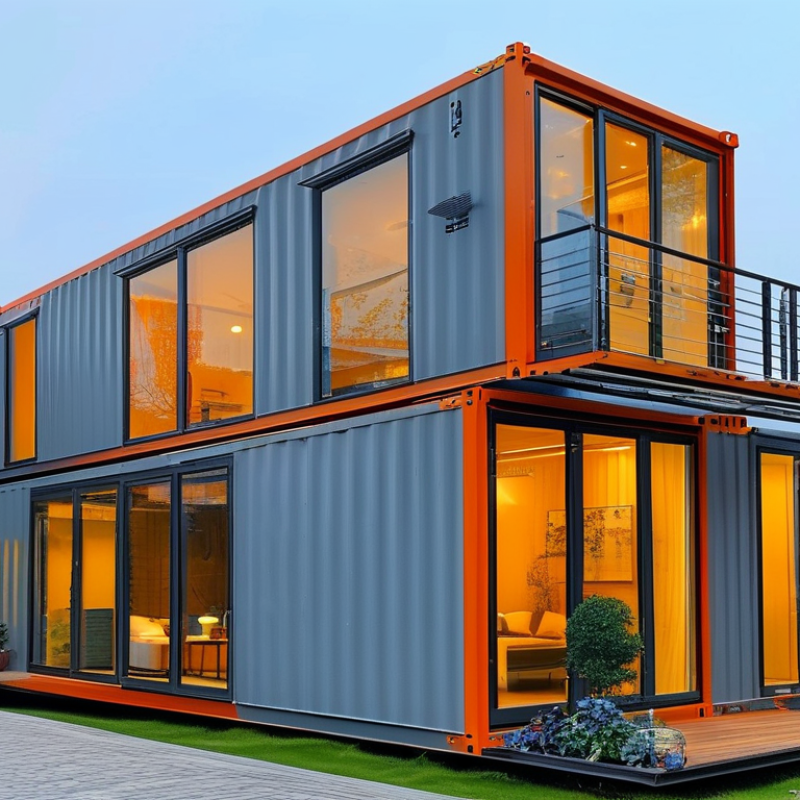
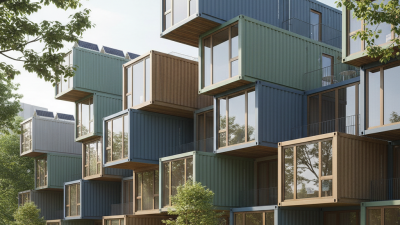
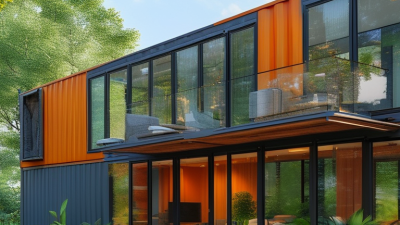
Container Living is emerging as a transformative solution in sustainable housing. This innovative approach utilizes repurposed shipping containers to create efficient, eco-friendly homes. The trend is gaining traction as urbanization increases.
In 2026, we are witnessing key developments in Container Living that address housing shortages and environmental concerns. Modular designs offer flexibility and adaptability. Every container unit can be customized to fit individual needs.
However, challenges persist. Not all locations are suited for container homes. Additionally, the perception of container living may not appeal to everyone. It is vital to reflect on these aspects while embracing the future of sustainable housing.
Emergence of Container Living as a Sustainable Housing Solution
Container living is gaining popularity as an innovative, sustainable housing solution. These structures can be modular, adaptable, and eco-friendly. They utilize recycled materials, reducing waste and the carbon footprint often associated with traditional homes. In urban areas, container homes offer a compact living option. This addresses housing shortages and promotes efficient land use.
However, this trend is not without challenges. Proper insulation is vital to make these homes comfortable year-round. Some designs may lack necessary aesthetics. Additionally, zoning laws can pose obstacles to installation. Finding suitable locations remains a concern for prospective container homeowners. Despite these issues, container living continues to appeal to those seeking affordable and environmentally friendly options.
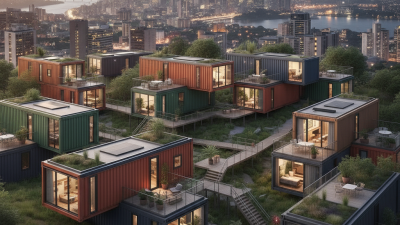
A growing number of architects and engineers are exploring better designs and materials. The focus is on enhancing livability while maintaining sustainability. As this trend evolves, it prompts a reevaluation of how we perceive housing. Container living may reshape urban landscapes and inspire new ways to think about space and sustainability.
Advantages of Container Homes in Reducing Environmental Impact
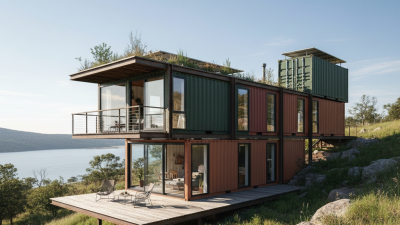
Container homes are gaining popularity as sustainable housing solutions. One significant advantage is their reduced environmental impact. These homes often utilize repurposed shipping containers, which decreases waste and promotes recycling. By transforming unused materials, we can lessen demands on new resources. This approach resonates with eco-conscious consumers seeking innovative living spaces.
Additionally, container homes can be designed for energy efficiency. Many feature insulation, solar panels, and rainwater systems. Such features can minimize energy consumption and lower utility costs. However, the initial setup can be a challenge. Proper insulation must be addressed to avoid temperature fluctuations.
Despite their benefits, container living isn't without drawbacks. Some people struggle with space limitations. Balancing functionality and aesthetics can be tricky. Furthermore, local regulations may pose obstacles for installation. It’s essential to navigate zoning laws before committing to a container home. Overall, while container homes offer promising sustainable solutions, consideration of the practical aspects is crucial.
Innovative Design Trends in Container Living for 2026
In 2026, container living continues to emerge as a beacon of sustainable housing solutions.
Innovative design trends highlight modular structures, maximizing space with functionality. Recent reports indicate that modular housing can reduce construction waste by up to 60%. This aspect appeals to eco-conscious consumers looking for responsible living options.
Mobility is a crucial factor for 2026 container homes. Many designs now incorporate wheels or easily transportable frames. This flexibility allows people to change locations, promoting a nomadic lifestyle. However, some challenges arise with local zoning laws. Not all areas welcome mobile living spaces. These constraints often force potential residents to rethink their choices.
Emphasizing energy efficiency, modern container homes feature solar panels and energy-saving appliances. Approximately 30% of new builds are now designed with sustainable energy sources in mind. Yet, not every design achieves the desired level of efficiency. Some structures still face issues with insulation and temperature regulation. Continuous improvement is essential in creating truly sustainable container living environments.
Regulatory Challenges and Solutions for Container Housing Development
Container housing is on the rise, but regulatory challenges pose significant hurdles. Many cities have insufficient frameworks for container homes. This lack of regulation can lead to confusion and delays in development. According to a recent report, about 70% of container housing projects face zoning issues. These barriers can stall innovative housing solutions.
Local governments often view container homes with skepticism. Their unique designs can clash with traditional neighborhoods. A study indicates that nearly 60% of municipalities establish strict building codes that are not adaptable to container structures. Adjusting these codes requires collaboration between developers and policymakers. Open dialogue is essential for successful integration.
Sustainability is a key goal of container living. However, achieving it hinges on overcoming regulatory challenges. Many developers advocate for revised zoning laws that accommodate innovative housing types. The conversation around container living reflects a shift in how we view housing. More flexible regulations can enhance the viability of these homes.
2026 Top Trends in Container Living for Sustainable Housing Solutions
The chart below illustrates the projected popularity of various trends in container living for sustainable housing solutions by 2026. The trends include Urban Design, Eco-friendly Materials, Modular Construction, Affordability, and Regulatory Adaptations.
The Future of Container Living: Community Integration and Smart Technology
The future of container living is evolving. Community integration emerges as a crucial trend. This approach fosters social interaction and shared resources. A 2022 report by the Urban Land Institute shows that neighborhoods with mixed housing types enhance local economies by 25%. These spaces encourage collaboration and creativity among residents.
Smart technology plays a pivotal role in the container living sector. Reports indicate that 70% of new homes will be equipped with smart devices by 2026. These technologies improve energy efficiency, allowing residents to monitor usage and reduce waste. The integration of smart systems could cut energy bills by 15-20%, according to the International Energy Agency. However, the initial investment in smart technology can deter some potential buyers.
Challenges remain in achieving sustainable housing. While container homes offer low-cost alternatives, zoning laws complicate their widespread adoption. Many municipalities still lack regulations for these structures. This uncertainty can create confusion for prospective homeowners. Thoughtful planning and advocacy are essential for overcoming these obstacles in container living. The potential is significant, but progress must be intentional.
2026 Top Trends in Container Living for Sustainable Housing Solutions
| Trend |
Description |
Impact on Sustainability |
Integration with Smart Technology |
| Community Integration |
Container living promotes shared spaces and communal facilities. |
Encourages resource sharing and reduces individual resource consumption. |
Integration of community management apps for facility usage optimization. |
| Eco-Friendly Materials |
Use of sustainable building materials for construction and insulation. |
Reduces carbon footprint and promotes recycling. |
Smart materials that adapt to environmental conditions for better efficiency. |
| Modular Design |
Flexible layout options for different family sizes and needs. |
Maximizes space efficiency and reduces waste in construction. |
Smart home systems that allow customization of space usage. |
| Energy Efficiency |
Focus on renewable energy sources and insulation improvements. |
Significantly reduces energy consumption and utility costs. |
Smart technology ensures optimal energy use and monitoring. |
| Transportable Living |
Ability to relocate container homes easily. |
Promotes less land use and quicker housing solutions. |
GPS and mobile connectivity enhance relocation efficiency. |