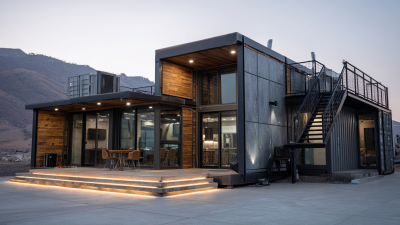
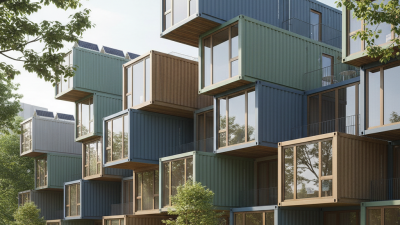
Best Container House Ready for Global Buyers Today?
The concept of "Container House Ready" has gained significant traction globally. As urbanization rises, innovative housing solutions are essential. According to the Global Container Housing Market Report, the sector is projected to grow at a CAGR of 6.8% from 2021 to 2026. This growth reflects a rising demand for sustainable, cost-effective living spaces.
Container homes offer a unique blend of affordability and environmental sustainability. They utilize recycled materials, reducing construction waste. Reports indicate that using shipping containers cuts building time by 30% compared to traditional homes. However, challenges exist. Builders may face zoning regulations and design limitations. Every region has its own compliance standards, adding complexity to the process.
Despite these hurdles, container houses are revolutionizing the housing market. They appeal to a diverse audience, from millennials seeking affordable options to retirees looking for flexible living solutions. With continued advancements, the future looks promising. However, aspiring buyers must navigate both opportunities and potential setbacks in this evolving landscape.
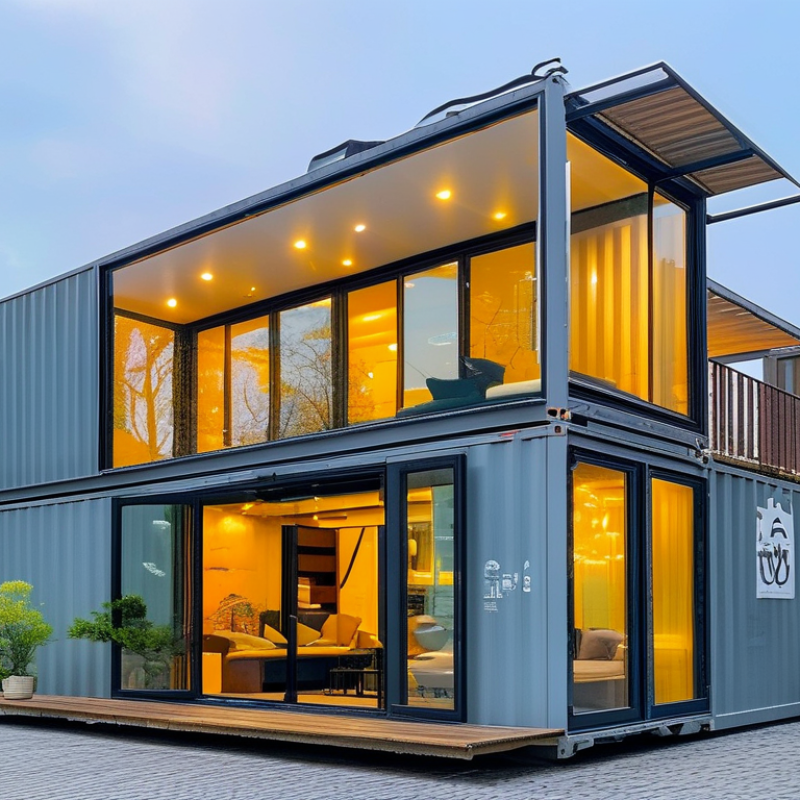
Current Trends in Container Homes for Global Buyers
Container homes are becoming increasingly popular among global buyers. They offer a unique blend of sustainability and affordability. Many buyers appreciate the eco-friendly materials and energy-efficient designs. However, choosing the right container home can be challenging due to varied styles and regulations.
Current trends reflect a strong desire for customization. Buyers now seek designs that fit their personal lifestyles. This includes features like solar panels, green roofs, and smart home technology. Minimalist aesthetics are also gaining traction. Yet, not everyone may like the industrial look. The choice of interior finishes often requires a balance between style and practicality.
While container homes present many advantages, they also come with challenges. Local zoning laws can complicate installation. Additionally, insulation and ventilation need careful consideration. Buyers should reflect on their climate and location when designing their homes. As container living grows in popularity, these reflections will guide future developments.
Container Home Popularity by Region in 2023
Key Features of the Best Container Houses Available Today
Container houses are gaining popularity worldwide. They offer unique designs and versatility. One key feature is sustainability. Made from repurposed shipping containers, these homes have a lower environmental impact compared to traditional building methods. Their energy-efficient designs often include insulation and solar panels, making them ideal for eco-conscious buyers.
Another important aspect is customization. Buyers can choose layouts, sizes, and finishes that suit their preferences. This flexibility allows for creative space utilization. Some designs even incorporate green spaces or rooftop gardens, enhancing their appeal. However, potential homeowners must consider local building codes and zoning laws. These regulations can affect the feasibility of their designs.
Durability is another feature to highlight. Container houses withstand harsh weather conditions. They are resistant to pests, fire, and extreme temperatures. However, constructing a comfortable living space requires careful planning. Buyers may need to invest in proper insulation and ventilation systems. This can lead to challenges during the building process, but the rewards often outweigh the difficulties.
Comparative Analysis of Container House Prices Worldwide
The popularity of container houses has surged globally, with diverse pricing influenced by factors like location and materials. A recent report by the International Container Housing Association revealed that container homes cost anywhere from $10,000 to $200,000. In the U.S., the average price hovers around $50,000, while prices in Europe can exceed $100,000 due to strict regulations.
Despite the growing market, potential buyers should approach with caution. Quality can vary significantly. Builders may cut corners to reduce costs. This often leads to issues in insulation and structural integrity. Understanding the regional differences in pricing can help buyers make informed decisions. For instance, the cost of shipping containers varies by region, significantly impacting the final price of a home.
Tip: When evaluating prices, consider both short-term expenses and long-term maintenance costs. Investing in better insulation may be pricier upfront but could lead to energy savings over time.
Research shows that eco-friendliness boosts resale value. Many buyers prefer sustainable solutions. A well-built container house can offer both affordability and lower carbon footprint. However, not every design is equal. Always validate designs with a trusted contractor.
Best Container House Ready for Global Buyers Today? - Comparative Analysis of Container House Prices Worldwide
| Country |
Average Price (USD) |
Size (sq ft) |
Features |
Buyer Rating (out of 5) |
| USA |
$35,000 |
320 |
2 Bedrooms, Eco-friendly Materials |
4.5 |
| Canada |
$40,000 |
400 |
3 Bedrooms, Solar Panels |
4.7 |
| Australia |
30,000 |
300 |
Open Plan, Sustainable Design |
4.6 |
| UK |
33,500 |
350 |
1 Bedroom, Modern Finish |
4.4 |
| Germany |
28,000 |
250 |
Stylish, Prefab Design |
4.3 |
Top Manufacturers and Suppliers of Container Homes
Container homes are increasingly popular among global buyers. They offer cost-effective and sustainable living solutions. Many top manufacturers and suppliers specialize in this growing market. They ensure high-quality construction and design innovations. When choosing a container home, it's essential to consider various factors.
Tips:
- Research different designs thoroughly.
- Look for customization options that fit your lifestyle.
- Check the durability of the materials used.
Several manufacturers focus on eco-friendly practices. They incorporate solar panels and energy-efficient systems. However, some homes may require additional insulation. This can lead to improved energy efficiency, but it may increase initial costs.
Tips:
- Prioritize energy solutions early in your planning.
- This can save you money in the long run.
- Consult experts about potential zoning regulations that can affect your build.
Sustainability and Environmental Impact of Container Housing
Container housing is increasingly recognized for its potential sustainability benefits. According to a 2022 report by the Global Alliance for Sustainable Housing, transitioning to container homes can reduce construction material waste by up to 75%. These homes are often built from recycled shipping containers, significantly lowering the demand for scarce building materials. The use of these repurposed structures not only curbs waste but also decreases the carbon footprint associated with traditional construction methods.
Environmental impact is a critical aspect of container housing. A Life Cycle Assessment published in 2021 indicated that container homes typically generate fewer greenhouse gas emissions compared to conventional houses. By opting for these innovative solutions, buyers can contribute to a more sustainable future. The housing industry struggles with plastic waste too. Container homes enhance the reuse of materials while minimizing new plastic production, addressing another pressing environmental issue. However, challenges remain, such as insulation and durability concerns in extreme climates, which require careful planning.
Interest in container housing continues to grow as global awareness of sustainability rises. While these homes offer exciting possibilities, potential buyers should weigh the advantages against cons, such as zoning restrictions and financing hurdles. There is no one-size-fits-all answer in the housing market. Do your research and understand the nuanced implications of choosing container housing as a long-term solution.