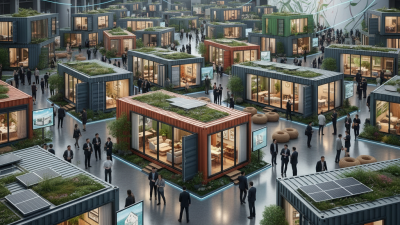
Why Choose a Container House Ready for Your Next Project?
In recent years, container houses have gained immense popularity. They offer innovative solutions for modern living and working spaces. As the industry expert, Maria Hernandez, states, “Container House Ready designs provide flexibility and sustainability that traditional builds often lack.” This highlights the importance of adaptability in today’s housing market.
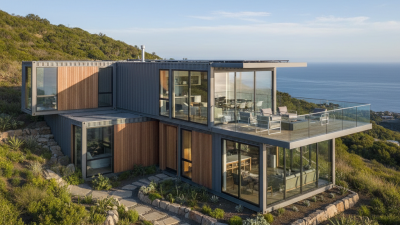
Container House Ready structures are not only about aesthetics. They focus on efficient use of space and resources. With a growing emphasis on eco-friendliness, these homes often minimize waste and energy consumption. Many projects aim to integrate harmoniously into their environments, bringing together unique design with practical solutions.
However, embracing the container house lifestyle raises questions. The terminology can be misleading, causing confusion about the quality and safety of these homes. Potential owners should research and reflect carefully. Container House Ready offers a glimpse into a sustainable future, but it requires thoughtful consideration. Each project must balance creativity with practicality.
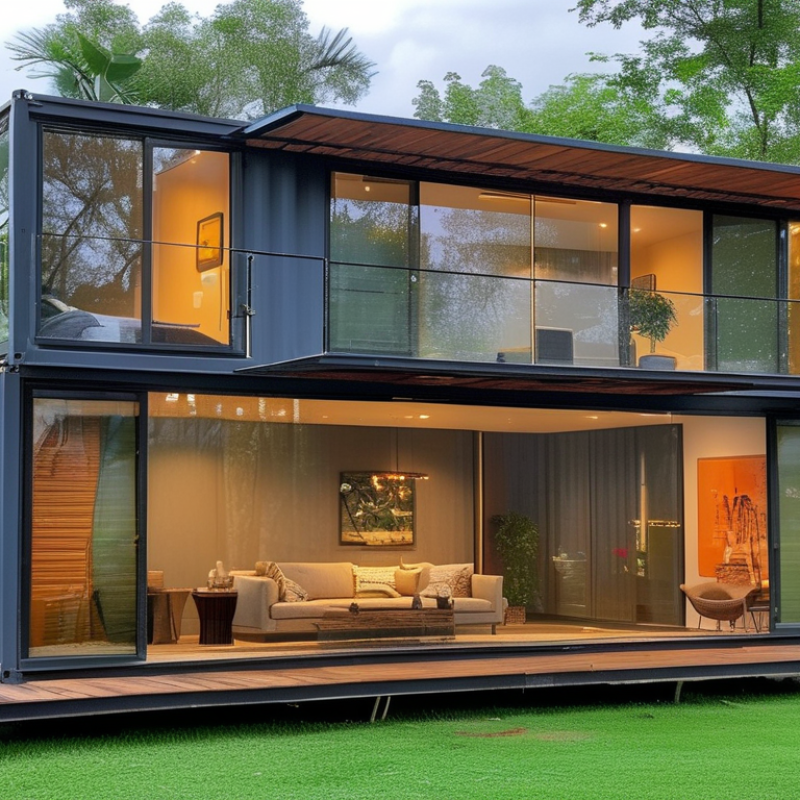
Benefits of Using Container Houses for Construction Projects
Container houses have quickly gained popularity in the construction industry. Their unique design and versatility make them an attractive option for various projects. Using shipping containers for building allows for innovative layouts that traditional materials might not support. These structures are often more affordable, especially when budgets are tight.
One significant benefit of container houses is their eco-friendliness. They repurpose unused containers, reducing waste. This method can lower the carbon footprint of construction sites. Additionally, they are durable. Containers are built to withstand harsh weather conditions. Many people overlook this strength when considering building materials.
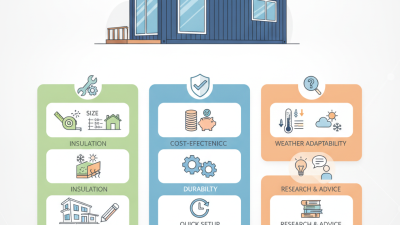
However, building with containers isn’t without challenges. Insulation is often a concern, as metal containers can become extremely hot or cold. Proper insulation solutions are essential to maintain comfort inside. Site preparation is another factor that requires careful planning. Building on uneven ground could lead to issues. Therefore, thorough assessment and planning are necessary before starting a project.
Key Features of Container Houses That Enhance Versatility
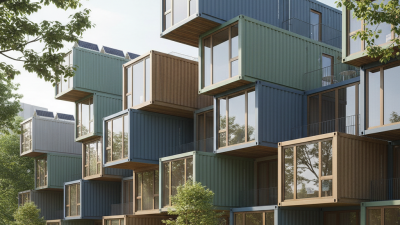
Container houses are gaining popularity for their versatility and efficiency in construction. They can be adapted for various uses, from homes to offices. This flexibility is partly due to their modular design, which allows for easy expansion and customization. According to a report by the International Institute for Sustainable Development (IISD), the prefab nature of container homes reduces construction time by up to 50%. This is invaluable for projects requiring quick development.
One appealing feature of container houses is their inherent strength and durability. Built from steel, they withstand harsh weather better than traditional wooden structures. This durability leads to lower maintenance costs over time. However, their insulation is often insufficient, which some might overlook in their initial planning. Ensuring proper insulation can be crucial for energy efficiency. The U.S. Department of Energy indicates that inadequate insulation can lead to an increase in energy consumption by as much as 30%.
Additionally, container houses are highly eco-friendly. Their use encourages recycling and reduces construction waste. A study from the Journal of Green Building highlighted that using refurbished materials minimizes the carbon footprint of new builds. Yet, potential buyers should be aware of zoning regulations that might limit their use. These constraints can complicate project timelines and costs. Balancing eco-friendliness with legal requirements is a challenge worth noting for prospective developers.
Key Features of Container Houses That Enhance Versatility
Cost-Effectiveness: Financial Advantages of Container Homes
Container homes are gaining popularity for their unique advantages. One of the most compelling reasons is their cost-effectiveness. Traditional construction often involves hidden costs that can escalate quickly. In contrast, container homes typically have lower upfront costs. They offer a budget-friendly option without sacrificing quality.
Tips: Consider purchasing used containers. They can significantly reduce your budget while still providing durability and style. Always review the local regulations about installations. Sometimes permits are required, impacting your timeline and budget unexpectedly.
Additionally, container homes can be customized efficiently. The simple design allows modifications to fit your personal needs. However, it’s crucial to keep in mind that structural changes can increase costs. If you plan to expand in the future, think about the layout carefully. Future changes may be more complex than anticipated, and budget adjustments will be necessary.
Budget management is key. Set a clear budget from the start and stick to it. Document all expenses and be ready for potential surprises. This awareness helps in preventing financial strain as you progress through your project. Container homes are a great option, but understanding the challenges can save you from costly mistakes.
Sustainability and Environmental Impact of Container Housing
Container housing has gained popularity due to its sustainable appeal. These structures are often built using repurposed shipping containers. This reduces waste and minimizes the need for new materials. By choosing container homes, builders contribute to a circular economy that values recycling and reuse.
The environmental impact of container housing is significant. These homes often require less energy for heating and cooling compared to traditional houses. They can be equipped with solar panels and green roofs, enhancing their sustainability profile. However, we must consider potential challenges. Some containers may contain residual chemicals from their shipping days. This raises concerns about indoor air quality and safety. Proper treatment and insulation are essential for a healthy living space.
Another factor to ponder is the lack of universal building codes for container homes. This can lead to variability in safety and durability. Not all designs are suitable for every climate. Container houses may not perform well in extreme weather without adequate modifications. Homeowners need to do research before committing to this style. The benefits are clear, but the pitfalls remind us that careful planning is vital.
Why Choose a Container House Ready for Your Next Project? - Sustainability and Environmental Impact of Container Housing
| Dimension |
Container Housing |
Traditional Housing |
| Carbon Footprint (tons of CO2) |
2.0 |
10.5 |
| Energy Efficiency (kWh/year) |
800 |
1500 |
| Waste Generated (tons) |
0.5 |
3.0 |
| Average Lifespan (years) |
25 |
60 |
| Recyclability (%) |
95 |
70 |
Design Flexibility: Customization Options for Container Houses
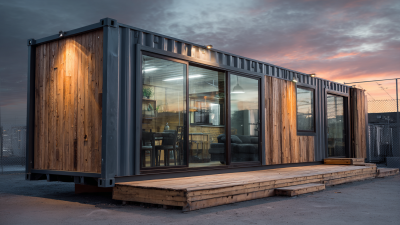
Container houses have gained popularity due to their design flexibility. Customization options allow for unique creations that reflect personal style. Whether you prefer a minimalist look or an eclectic mix, the choice is yours. You can modify layouts, colors, and materials to suit your vision. This adaptability appeals to both homeowners and project developers.
Consider the potential for sustainable design. You can incorporate eco-friendly features like solar panels and rainwater harvesting. These additions not only enhance aesthetics but also promote environmental responsibility. However, achieving the right balance can be challenging. Some designs may sacrifice functionality for looks. It's important to consider how the space will be used daily.
Customization also opens doors for innovative solutions. Need a home office, a guest room, or a studio? Container houses can easily accommodate these needs. Yet, it's crucial to plan wisely. Some features might complicate the build or raise costs unexpectedly. Effective communication with architects and builders is necessary to avoid pitfalls. Embracing this flexibility can lead to inspiring results, all while ensuring a practical living space.