2026 Best Multiple Container House Designs for Global Buyers?
The trend of Multiple Container House designs is reshaping modern living. As urban spaces become crowded, innovative housing solutions emerge. Renowned architect Michael Reynolds states, “Multiple Container Houses offer an eco-friendly alternative for sustainable living.” His vision highlights how these structures combine functionality with creativity.
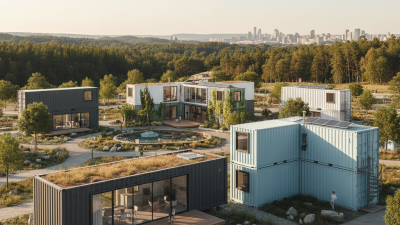
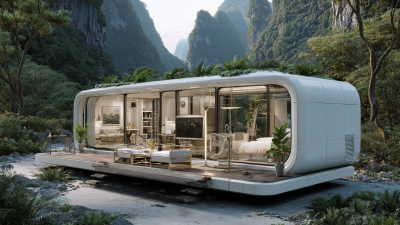
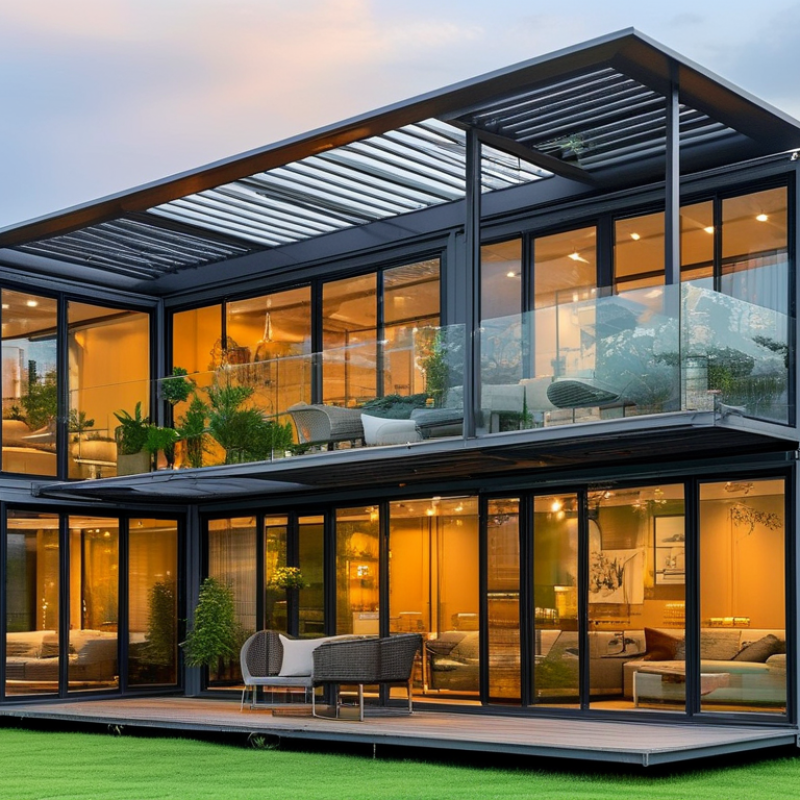
Container homes are not just practical; they are also versatile. Each design can reflect personal taste and style. Aesthetic touches, such as green roofs and large windows, enhance the living experience. However, these designs often require meticulous planning. Balancing functionality and visual appeal can be challenging.
Investors and home buyers must consider various factors. Some designs face issues with insulation and moisture. Others may lack enough natural light. Addressing these shortcomings is essential for creating comfortable spaces. Each Multiple Container House presents a unique opportunity for innovation. Exploring the best designs of 2026 can inspire solutions that meet both needs and desires.
2026 Trends in Multiple Container House Designs for Global Markets
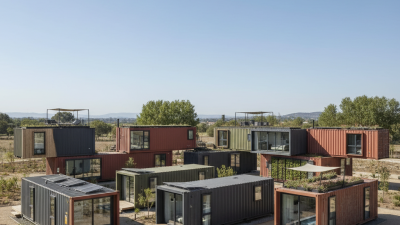
The trend of multiple container houses is gaining traction globally. These structures often utilize repurposed shipping containers, offering sustainable housing solutions. In 2026, designs will emphasize modern aesthetics while challenging traditional architecture. More buyers are seeking eco-friendly practices, and container homes fit this demand perfectly.
A significant focus will be on modular designs. They allow flexibility in creating unique spaces. Functionality is key, as buyers desire homes that meet diverse needs. Smart technologies will also play a role, enhancing energy efficiency and comfort. However, space limitations in container homes can pose challenges. Ensuring sufficient storage and living areas can be demanding for designers and homeowners alike.
As these trends evolve, innovative materials will emerge. Sustainable resources can transform standard shipping containers into cozy living spaces. Some challenges remain, like insulation and ventilation. Finding the balance between style and comfort can be difficult. As the industry progresses, continuous learning and adaptation will be essential to fulfill buyer needs.
Key Benefits of Multiple Container Homes: Sustainability and Cost-Effectiveness
Multiple container homes are gaining popularity among global buyers. These structures offer a remarkable blend of sustainability and cost-effectiveness. Using shipping containers as the building block creates environmentally friendly homes. This approach reduces waste, as containers are often discarded after use.
Building with containers can lead to significant savings. Compared to traditional homes, these designs minimize materials and labor costs. Homeowners can customize spaces according to their needs. This flexibility allows for unique layouts that reflect personal styles. However, planning and adhering to local regulations can be meticulous. It’s essential to research potential challenges before making a decision.
Tips: Start by evaluating available land. The orientation can maximize natural light. Consider insulation; containers can trap heat. Additionally, ensure proper ventilation. Engaging with an architect familiar with container homes can streamline the planning process. Always maintain realistic expectations. The journey can reveal unexpected issues, from structural concerns to zoning laws.
Innovative Materials and Technologies in Modern Container House Construction
Modern container homes are revolutionizing the housing industry with their
innovative designs. The use of
sustainable materials is at
the forefront of this movement. Recycled
steel and eco-friendly insulation are popular choices. These materials
not only reduce environmental impact but also enhance energy efficiency.
Advanced technologies are integral to modern container home construction.
Smart home integration is a significant trend.
Homeowners can control lighting and temperature from their smartphones, making
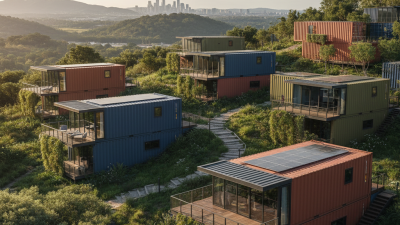
living spaces more convenient. Solar panels are often installed to harness
renewable energy, which is both sustainable and cost-effective. However,
the challenge remains in ensuring
these technologies are accessible for all budgets.
While container homes offer many benefits, there are still areas needing refinement.
Heating and cooling
can be inconsistent if not properly managed. Sound
insulation is another concern, as containers can amplify noise. Potential
buyers should carefully weigh these factors against the benefits. The journey
toward perfecting container home living is ongoing, promising exciting developments
in the near future.
Market Demand Analysis: Growing Global Interest in Modular Housing Solutions
The trend of modular housing is growing globally. Many buyers seek innovative designs for container homes. They offer flexibility and sustainability. These houses meet diverse lifestyle needs. Furthermore, they are often more affordable than traditional homes.
Market demand reflects a desire for fast construction. Modular homes can be assembled quickly and efficiently. For families, this means less disruption during relocation. However, there are challenges to consider. Ensuring proper insulation and structural integrity can be complex. Not all designs may suit every climate.
There’s also a growing interest among investors. They recognize the potential in this niche market. Yet, some buyers might find limited customization options frustrating. While the appeal is clear, not every design meets everyone’s needs. Potential homeowners should weigh these factors carefully.
Top Design Features of Container Homes: Aesthetic Appeal and Functionality
Container homes are gaining popularity for their unique blend of aesthetic appeal and functionality. According to recent data from industry experts, the market for these homes is expected to grow by over 30% by 2026. This trend reflects a shift in consumer preferences towards sustainable and innovative housing solutions. The modular nature of container homes allows for diverse designs, making them visually striking and adaptable to different environments.
Many features enhance the value of container homes. Open-concept layouts promote natural light and spacious living areas. Large windows not only increase airflow but also create a welcoming atmosphere. However, some designs face challenges. Owners often encounter issues with insulation and potential rust if not properly maintained. Moreover, zoning laws can complicate placement, requiring careful planning.
While container homes offer a modern aesthetic, they also raise questions. The initial cost can be significant, and not all designs are energy-efficient. Buyers should consider these factors when investing. Balancing aesthetic appeal with practical functionality is essential for a successful container home experience. Understanding these aspects can lead to better decision-making and satisfaction in the long run.
2026 Best Multiple Container House Designs for Global Buyers
| Design Style |
Size (sq ft) |
Number of Containers |
Key Features |
Price Range ($) |
| Modern Minimalist |
800 |
2 |
Open layout, large windows, sustainable materials |
30,000 - 50,000 |
| Rustic Farmhouse |
1200 |
3 |
Wood accents, spacious porch, energy-efficient |
40,000 - 60,000 |
| Industrial Chic |
1100 |
3 |
Exposed metal, lofted ceilings, urban style |
35,000 - 55,000 |
| Eco-Friendly |
1000 |
2 |
Solar panels, green roof, rainwater collection |
45,000 - 70,000 |
| Contemporary Bungalow |
950 |
2 |
Deck area, bright interiors, flexible spaces |
25,000 - 40,000 |