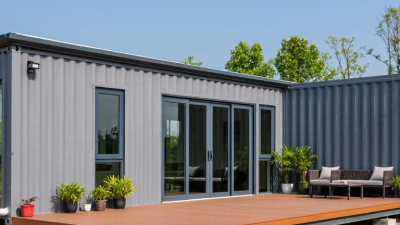
China Best Single Container House for Sale?
Searching for the best Single Container House for sale in China means looking beyond a low advertised price. Buyers should compare the structure, insulation, interior finish, delivery terms, and supplier support. A clear specification sheet makes those differences easier to judge.
Start with the intended use. A garden studio, site office, and guest room may need different layouts and services. Check the floor plan, steel frame details, wall and roof materials, window sizes, and electrical provisions. Ask what is included in the quoted price, and what costs extra. Small details matter.
Look closely at insulation and ventilation. A bright room with large windows may feel open, but it can also gain heat or lose warmth without suitable design. Request product drawings, material descriptions, and recent project photos. If possible, arrange a factory visit or an independent inspection before payment. Verify packing, shipping, installation, and after-sales arrangements in writing.
Compare like with like. A lower quote may exclude transport, foundations, or interior fittings. Not every supplier explains these limits clearly. That deserves a second look. Confirm local site requirements with qualified professionals, since conditions and permitted uses vary by location. No catalog can answer every practical question.
The strongest choice is usually the one that fits your site, budget, and daily needs—not simply the one with the boldest claim. A careful comparison takes time. It can also prevent expensive surprises later.
What Is a Single Container House?
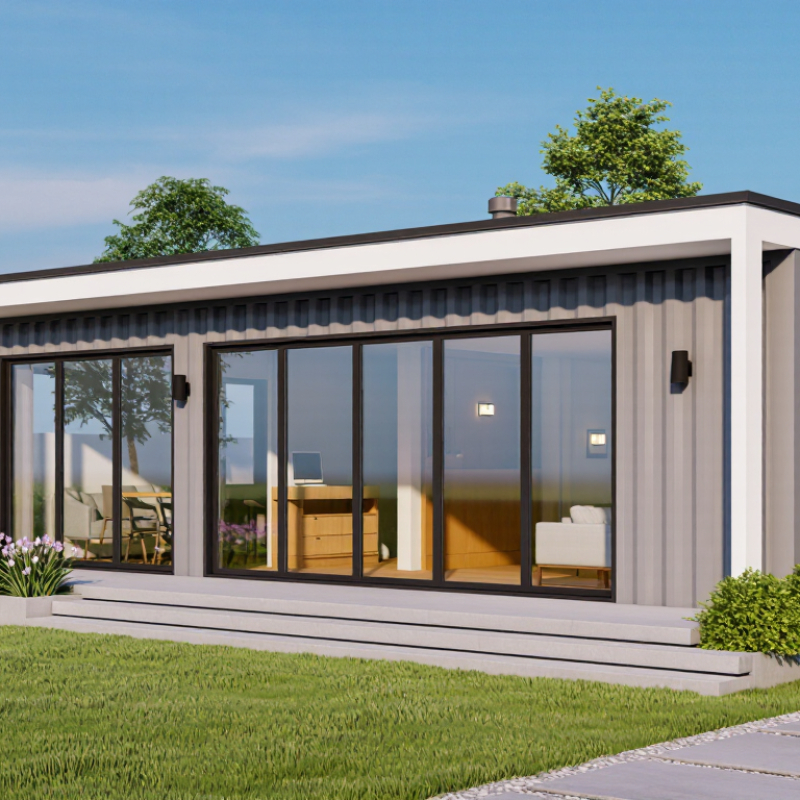
A single container house is a compact building made from one container-sized module. It may use a repurposed shipping container or a purpose-built steel frame. The term describes its basic size and layout, not a fixed design. A typical unit may include a sleeping area, bathroom, kitchenette, and living space. That matters. Insulation, windows, and ventilation affect comfort as much as the exterior appearance. In cold or hot climates, thin metal walls can make indoor temperatures difficult to manage without suitable insulation and climate control.
The main appeal is efficient use of space and relatively simple transport. A single module can suit a small home, guest room, or site office, depending on its design and intended use. But compact dimensions require careful planning. A door swing can block a walkway, while a poorly placed window may reduce privacy. Ask for a floor plan, material details, insulation specifications, and clear measurements before comparing homes for sale. Check how the unit will be delivered and connected to essential services. A polished exterior does not prove that the interior is comfortable or durable. Some details are easy to miss.
Tips: Measure furniture and access routes before choosing a layout. Request photos of corners, window seals, and bathroom fittings. Compare the quoted features with the written specifications, and ask what is not included.
How Are Single Container Houses Designed and Built?
Designing a single-container house begins with its intended use, local climate, and the container’s condition. A compact floor plan can place the bed, kitchenette, and bathroom along one service wall, reducing pipe runs. Measure doorways and furniture before fixing the layout. Small details matter. A used container needs inspection for corrosion, dents, and damaged flooring; surface rust may be manageable, but weakened steel needs professional assessment.
Building work often starts with a level foundation, such as engineered piers or a slab suited to the site. Large window or door openings can weaken the steel frame, so a qualified designer should specify reinforcement before cutting. Insulation also needs careful planning: steel transfers heat quickly, and poorly managed moisture can collect behind interior finishes. Moisture is stubborn. Choose insulation and ventilation for the local conditions, then detail window seals, roof edges, and service penetrations to limit leaks. Electrical and plumbing systems should be installed by qualified trades and checked against applicable local requirements. A container shell looks simple, but a comfortable home depends on the details—and some design choices may need revision once the site is measured.
What Features Distinguish the Best Chinese Models?
The best Chinese single container houses are distinguished by engineering, not a polished exterior. A rigid steel frame should have clear specifications for wall thickness, load capacity, and corrosion protection. Ask how the coating is applied and whether exposed cut edges receive treatment. Details matter. A tidy weld is useful, but it does not replace documented quality checks.
Thermal comfort depends on more than insulation thickness. Look for information about insulation type, roof and floor layers, window seals, and thermal bridges around the frame. In a hot, humid region, ventilation and moisture control deserve close attention; in colder areas, draft testing and condensation management matter more. Inspect the door corners and window joints, where small gaps can become obvious after heavy rain. Check the paperwork. Independent test reports and a written list of included electrical and plumbing work make comparisons more reliable.
Practical models also provide lifting points, drainage paths, and service access that suit the intended site. Confirm dimensions, transport arrangements, foundation requirements, and local climate suitability before ordering. A sample unit can reveal loose trim or awkward wiring that photographs miss. Even so, one inspection cannot prove long-term durability. Ask how repairs are handled, and keep room for doubt when a claim sounds unusually broad.
How Can Buyers Compare Suppliers, Prices, and Quality?
A single-container house may appear simple to price, but supplier quotes often cover different things. Compare units with the same dimensions, layout, and intended use. Check the frame thickness, corrosion protection, insulation type, roof drainage, and window specifications. Ask for written details, not just phrases like “weatherproof” or “ready to use.”
Small details matter.
A low price may exclude delivery, lifting equipment, foundations, or interior finishes. Request an itemized quote and confirm what happens if transport access is difficult. Ask suppliers for recent project photos, material data sheets, and references you can contact. Review warranty terms carefully, including what is covered and how repairs are handled. A polished brochure is not proof of build quality.
Visit a completed unit if possible. Look at door alignment, floor movement, condensation, and how neatly electrical and plumbing fixtures are installed. Ask how the house performs in the climate where it will sit. I would not choose on price alone; though, it is tempting when budgets are tight. Compare the full delivered cost and the evidence behind each claim. If a specification is vague, ask for clarification before paying a deposit.
What Should Buyers Know About Delivery and Installation?
A single-container house may look simple on a listing, but delivery depends on the site as much as the unit. Before paying a deposit, request the packed dimensions, loaded weight, delivery method, and a written list of what installation includes. A standard 20-foot ISO container is about 6.06 metres long and 2.44 metres wide, according to ISO 668. Modified homes can differ. Check narrow gates, overhead wires, turning space, and whether a truck or crane can reach the foundation.
Installation needs a firm, level base and clear access for lifting equipment. Ask who arranges unloading, anchoring, utility connections, and any required site preparation. McKinsey’s 2019 report on modular construction estimates that modular methods can reduce schedules by 20–50% and costs by up to 20%. These figures cover modular construction broadly, not every container home. Treat them as context, not a delivery guarantee. Delays happen. Rain, soft ground, or a blocked access road can change the plan.
Tips: Share site photos and measurements with the supplier before shipment. Confirm crane clearance, foundation points, delivery exclusions, and the inspection process in writing. Keep a small contingency for site work; even careful plans can miss one detail.